
Macro Photography in the Field: What Actually Works
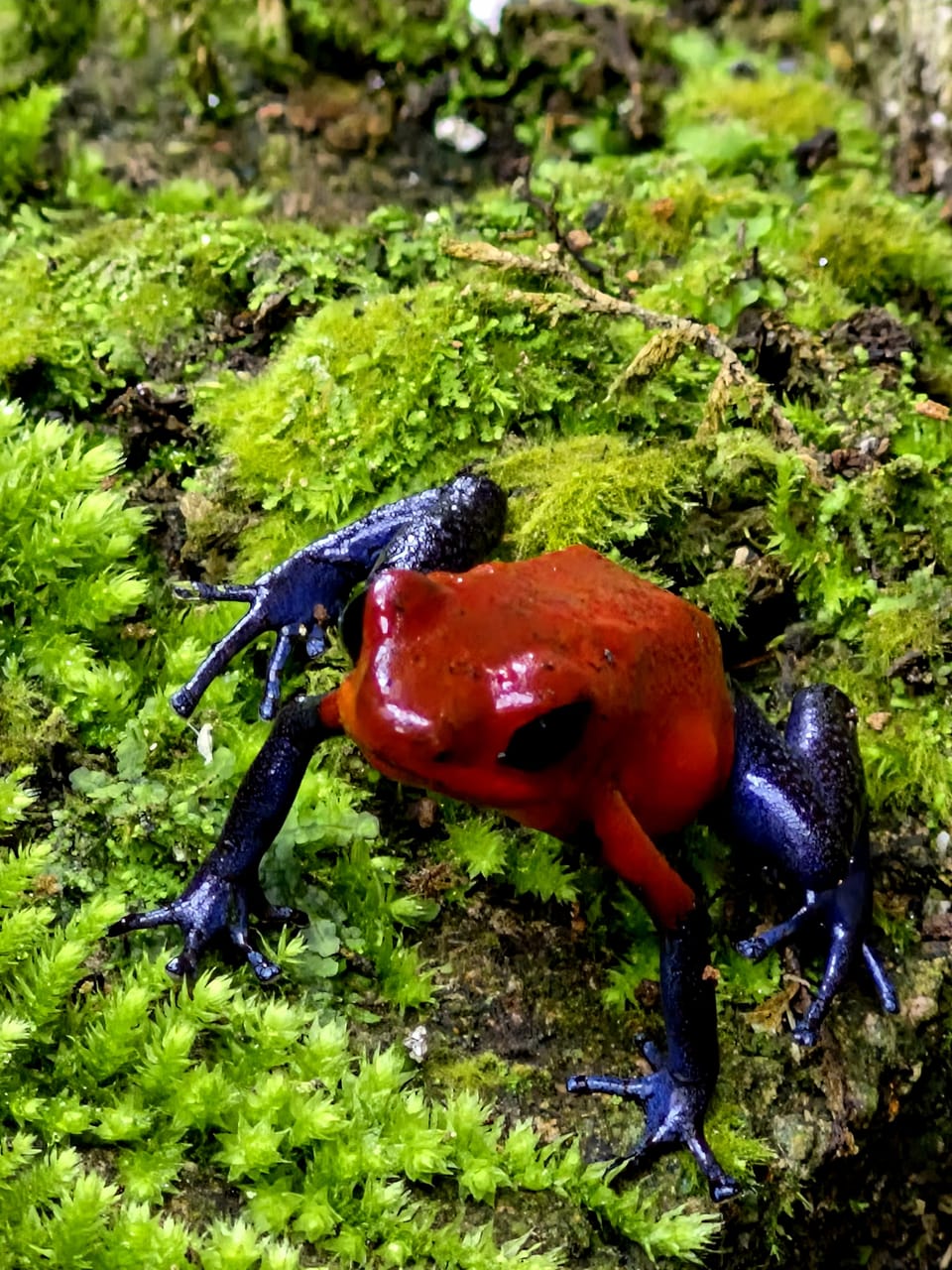
Macro photography is far easier than most people expect.
Many people assume you need specialist gear and perfect conditions. In reality, all of my successful macro images have come from simply being observant, moving carefully, and using the phone already in my pocket.
What follows is not studio theory. It is what has consistently worked for me in real, unpredictable field conditions.
For real examples of these techniques in action, see my Macro Wildlife Gallery.
https://www.traveladventurescurated.com/macro-gallery-field-encounters-up-close/
Why Field Macro Is Fundamentally Different
Macro photography in the field comes with a few realities that indoor or backyard shooting does not prepare you for.
Out in the field:
- subjects move without warning
- light is often dappled or fading
- opportunities are brief
- and safety must come first
You rarely have the luxury of setting up the perfect shot. Success usually comes down to being ready, staying steady, and reacting quickly when something interesting appears.
Why Your Cellphone Is Usually Enough
Here is the part many people underestimate: today’s smartphones are extremely capable of capturing great macro images.
In many situations, a phone actually works in your favor:
- it is always accessible
- close-focus performance is excellent
- Night Mode handles low light surprisingly well
- there is no need to change lenses
- and it encourages quick, opportunistic shooting
You do not need professional camera gear to capture sharp, compelling macro images.
What matters far more is technique.

Daytime Macro: Where Most Opportunities Actually Happen
Night walks get the attention, but in truth many macro opportunities occur in full daylight — often when you are not specifically looking for them.
During regular hikes I frequently notice:
- insects resting on vegetation
- small lizards on railings and tree trunks
- frogs tucked into shaded leaves
- butterflies and beetles in clearings
- fungi and plant details along damp trails
The key shift is awareness. Instead of treating macro as a dedicated activity, it helps to think of it as an always-present possibility.
When you slow your pace slightly and scan your surroundings, opportunities start to appear with surprising regularity.
Expect the Unexpected: Macro Rewards Awareness
One of the most consistent lessons from the field is simple: the best macro moments never arrive on schedule. These moments appear while you are doing everyday outdoor activities.
Because of this, improvement in macro photography often comes less from equipment and more from developing the habit of looking carefully.
A few practical habits help:
- pause when guides stop suddenly
- check leaf undersides occasionally
- scan vegetation at eye level
- avoid rushing and making a noise
- Be present in the environment
In many cases, awareness is the difference between walking past a subject and coming home with a great macro shot.
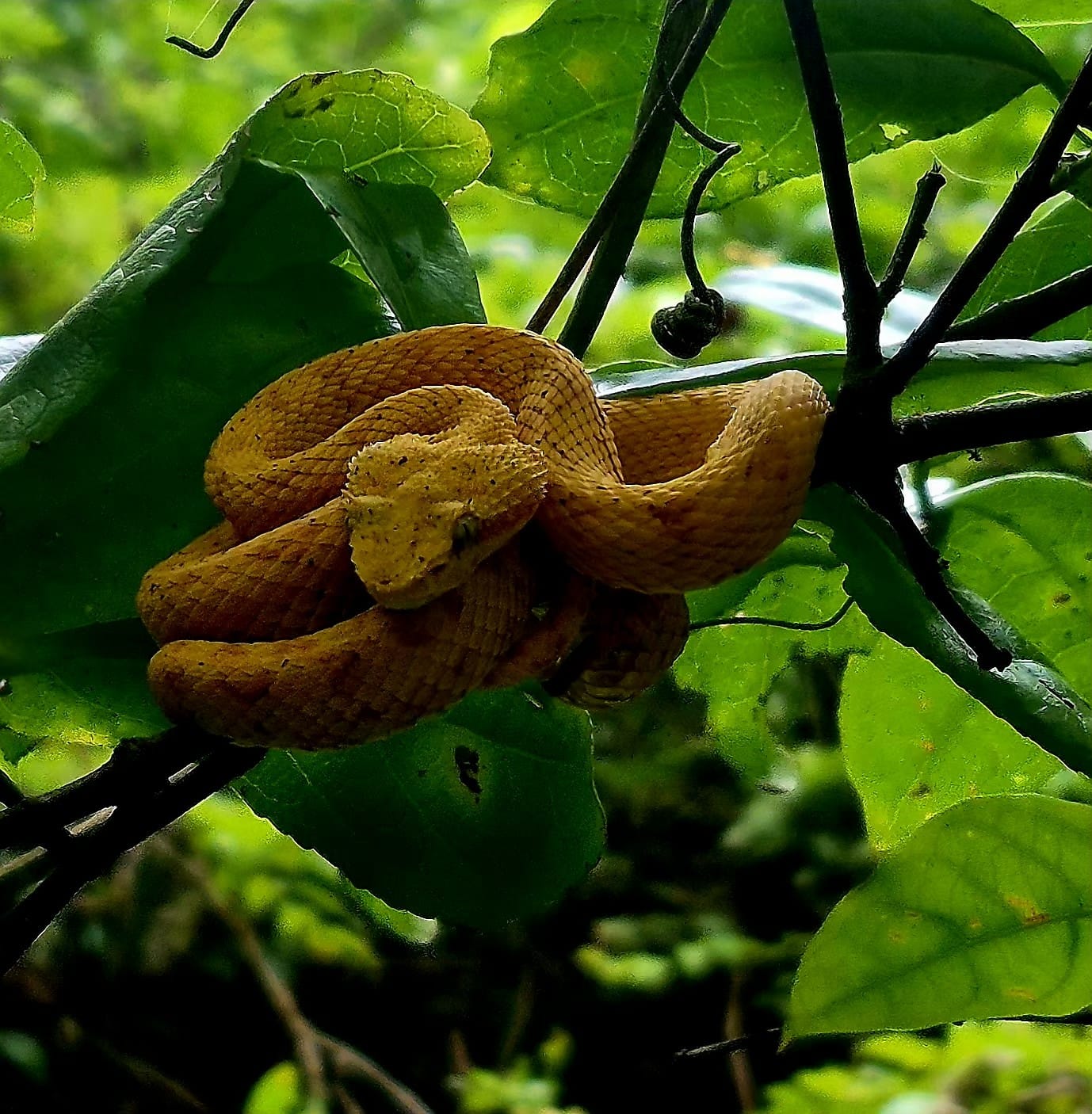
Cellphone Macro Settings That Actually Work
Keeping your approach simple in the field is important.
Use the Main Lens First
For most phones, the main camera produces the most reliable macro results.
In practice:
- avoid heavy digital zoom
- move physically closer when safe
- use ultra-wide only if your phone has true macro mode
Distance control almost always beats zoom for maintaining detail.
Focus on the Eyes
At close distances, autofocus can occasionally hesitate.
What works consistently:
- tap directly on the subject’s eye
- confirm focus before shooting
- take two or three frames
If the eyes are sharp, the image immediately feels stronger.
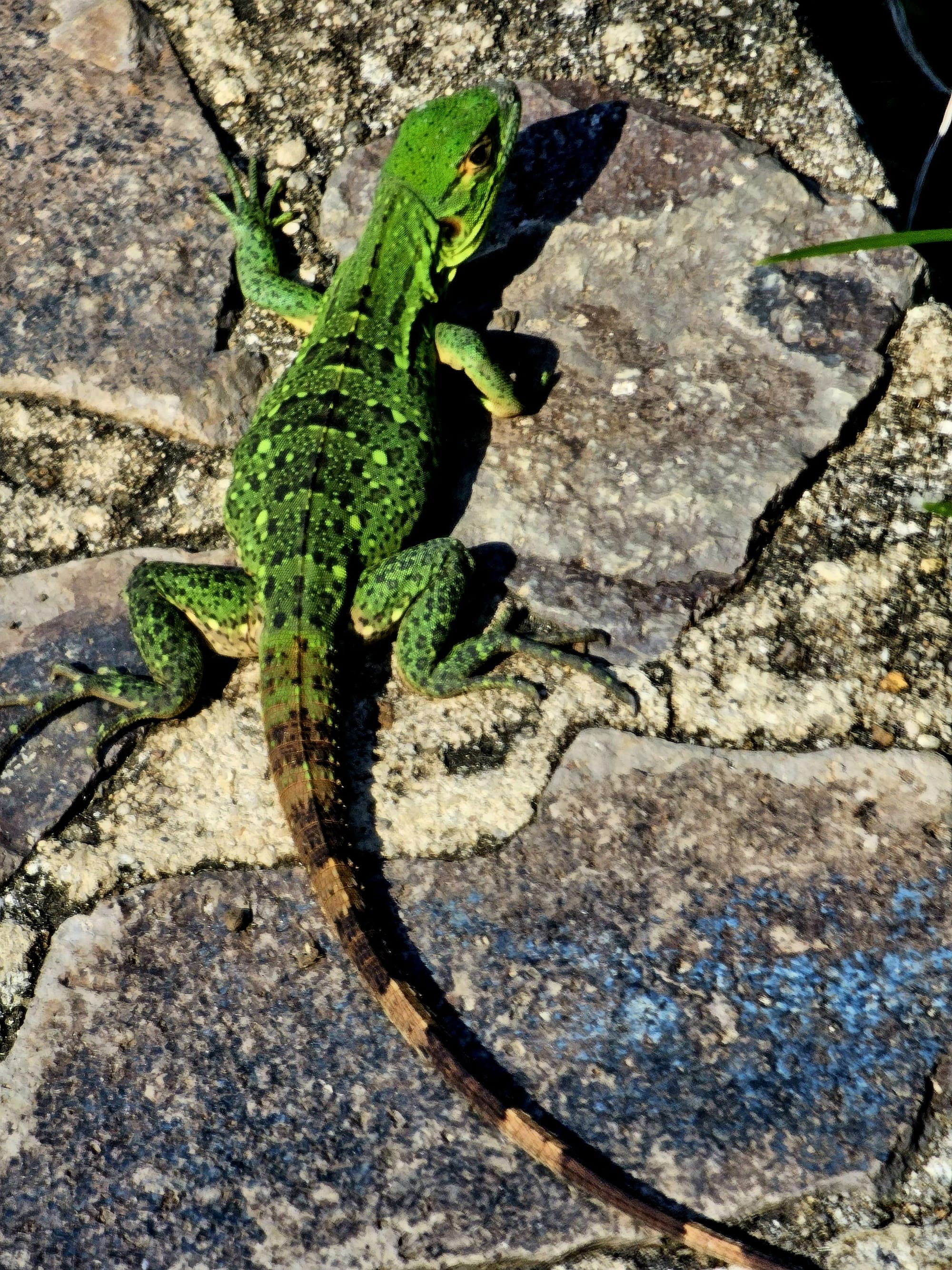
Stabilize Before You Shoot
Small movements become exaggerated at macro distances, especially in lower light.
Simple field techniques help:
- tuck elbows lightly against your body
- control your breathing
- brace against a tree or railing when available
- shoot a short burst for insurance
Even minor stability improvements noticeably increase your success rate.
Day vs Night: A Practical Approach
Daytime Macro
Daylight encounters are usually the easiest to handle and often the most overlooked.
Best approach:
- move closer rather than zoom
- use available natural light direction
- keep the phone steady
- watch your background
- take multiple frames
In good light, cellphone macro is often more forgiving than people expect.
Night Macro
Night brings some of the most interesting subjects but requires a bit more care.
What works reliably:
- enable Night Mode
- hold steady for the full capture
- add a constant angled flashlight when needed
- avoid sudden movements
- shoot more than once
Steadiness matters more than anything else after dark.
Night Macro Without Flash: A Practical Method
I prefer Night Mode combined with a small constant flashlight rather than direct flash.
This approach produces:
- more natural-looking light
- fewer harsh reflections
- better texture on wet skin
- quicker setup on the trail
The key is light angle. Rather than pointing the beam straight at the subject, angle it slightly across the animal and watch for shiny hotspots.
Flash still has its place in some situations, but for many night encounters this simpler method works very well.
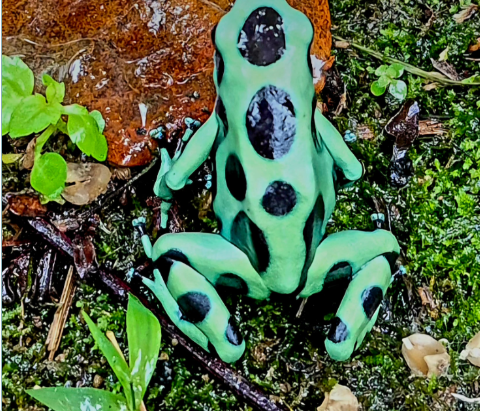
How to Get Better Over Time
Improvement in macro photography usually comes gradually.
What has helped me most:
- reviewing failed shots, not just the good ones
- practicing steady hand technique
- learning how different animals react to light
- shooting multiple frames when time allows
- noticing what makes your best images stand out
Progress tends to be incremental but noticeable if you stay consistent.
Where to Learn and Share Your Work
If you want to accelerate your learning curve, thoughtful feedback can be useful.
Places worth exploring include:
- dedicated macro photography Facebook groups
- wildlife and nature photography forums
- travel photography communities
- AI - if you provide the criteria for a great macro shot, AI can be a useful tool
Posting selectively and paying attention to constructive critique is usually more valuable than simply collecting likes.
Safety Still Comes First
Macro photography should never override situational awareness.
In rainforest environments especially:
- give snakes plenty of space
- watch your footing at night
- follow your guide’s instructions
- stay aware of your surroundings
There will always be another photo opportunity. Staying safe ensures you are around to take it.
What Makes a Macro Shot Worth Keeping
Not every technically sharp image tells a compelling story.
When reviewing my own photos, I usually look for:
- clean, sharp eyes
- good subject separation
- natural, undisturbed behavior
- lighting that reveals texture
- and a sense of context within the environment
In the field, an authentic moment often matters more than technical perfection.
Final Thoughts from the Field
Macro photography is far easier than most people expect.
You do not need specialist equipment. You do not need perfect conditions. And you certainly do not need to treat every outing as a dedicated photo session.
What helps most is simple:
- stay observant
- move carefully and quietly
- stabilize your phone
- and be ready when something small catches your eye
Do that consistently, and your results will improve faster than you might think.
An important caveat is that it is often better to fully experience the moment rather than immediately look for a macro-opportunity. It is surprisingly easy to become so focused on small subjects that you miss what is happening around you. Macro work also takes time and patience, and in group settings those who are not interested will often move on, forcing you to rush. For that reason, this very focused style of photography is usually best pursued solo or with like-minded companions.