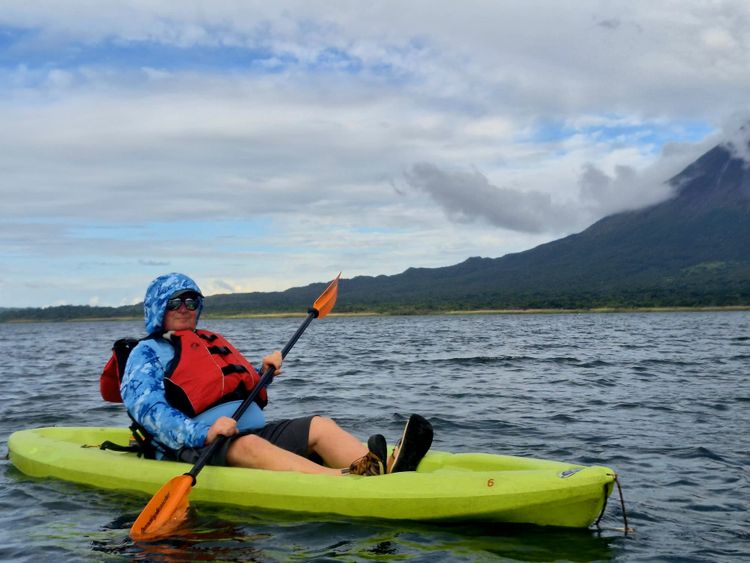
Trip Planning Essentials for a 21-Day Costa Rica Journey

If you’re planning a trip, I keep the booking tools I actually use at https://www.traveladventurescurated.com/about/
If Phase 1 explained why this trip was built the way it was, this post focuses on what actually mattered once we were on the ground — when planning met rain, distance, fatigue, and reality.
What Surprised Us, What Worked, and What We’d Do Differently
A 21-day Costa Rica trip built around physical experiences, wildlife, and constant movement doesn’t succeed on enthusiasm alone. It succeeds because friction is removed early — from transport decisions to what you pack, what you leave behind, and how you adapt to conditions on the ground.
Some lessons became obvious within the first two days. Others arrived the hard way. This post captures what actually mattered once the trip began — not theory, not checklists, but lived reality.
Why Planning Mattered More Than We Expected
Costa Rica looks compact on a map. In practice, it isn’t.
Distances are deceptive, road conditions are slow, weather changes plans without warning, and physical fatigue accumulates quickly. With a deliberately full itinerary, small inefficiencies become big drains.
The goal of planning wasn’t control. It was to eliminate decision-making once we arrived — so energy could be spent rafting, hiking, paddling, observing wildlife, and recovering properly rather than negotiating logistics.
That decision paid off almost immediately.
Transport: Why We Didn’t Hire a Car
Choosing not to hire a car was one of the best decisions we made.
Outside San José, road conditions deteriorate fast. Potholes, narrow roads, uneven surfaces, and slow progress are common. What looks manageable on Google Maps often isn’t. Waze proved far more reliable — Google Maps was frequently inaccurate.

Having all transport arranged meant no navigation stress, no pressure to “make time,” and no constant mental load. The trade-off was a loss of spontaneity, but the gain was arriving less tired and more present.
One planning tip worth considering: arriving or departing via Liberia rather than San José. We passed through Liberia twice during the trip, and anything that reduces transfer time is worth investigating.
Rain: Something to Negotiate, Not Avoid
Rain in Costa Rica isn’t an inconvenience — it’s a condition of travel.
Everything still happens in the rain. Hiking, rafting, paddling, wildlife spotting — none of it stops. And the rain itself is warm and often refreshing.
A lightweight rain poncho or packable rain jacket matters more than optimism. Even more important is a genuinely waterproof dry pack. Not water-resistant. Properly sealed.
So-called waterproof phone cases are not infallible. Ours leaked. The phone got wet. It survived, but only just. Redundancy matters more than marketing claims.
Footwear, Glasses, and Losing Things to Water
For rafting, ziplining, and wet terrain, closed shoes or secure closed-toe hiking sandals are essential. Boots were too hot, cumbersome, and impractical to pack. Secure closed -toe sandals were perfect — breathable, quick-drying, and versatile.
Eyewear deserves special mention.
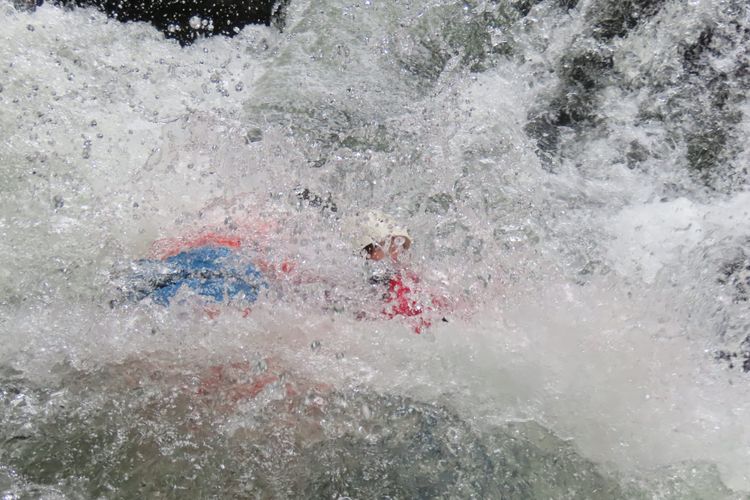
Colleen was wearing a lanyard while rafting, but when the raft turned broadside to rushing water, a wave hit her face, and the glasses were gone. The lesson was clear: either leave glasses behind unless absolutely necessary or use a properly locking rafting-grade spectacle retainer. Casual lanyards aren’t enough in moving water.
Insects, Humidity, and Skin Reality
Insect repellent is not optional.
We didn’t apply it diligently early on and paid the price — multiple bites, particularly on exposed legs and the backs of the arms. Mosquitoes weren’t the only issue. Other biting flies were persistent and aggressive.
A strong insect repellent containing DEET or picaridin is essential and needs to be used consistently. A steroid cream and Diphenhydramine tablets for the itching from the bites are essential.
Humidity introduces another underestimated issue: fungal skin infections. Antifungal cream became essential. Jock itch and other fungal irritations are an unpleasant but common reality in this climate if moisture is ignored.
Everything feels damp. Clothing, footwear, towels — nothing fully dries. Most rooms had overhead fans, which helped significantly even where air-conditioning was limited.
Packing Light (And Why It Matters More Than You Think)
Packing light wasn’t a preference — it was essential.
We travelled with carry-on-only, soft-sided backpack-style luggage, and it made an enormous difference. Watching other travelers struggle with heavy suitcases over uneven ground and in and out of multiple vehicles reinforced the point.
Dress in Costa Rica is informal. Shorts, t-shirts, sandals — most of the time that’s all that’s needed. Managing heavy luggage adds friction without benefit.
Small but critical items mattered far more than clothes:
- A basin plug (we did not encounter one anywhere)
- Quick-dry towels
- Soap and shampoo (often not provided)
- Spectacle retainers
- Dry bags
Hotels, Water, and Bathroom Realities
Many hotels did not provide in-room tea or coffee. Some provided no soap or shampoo at all. No accommodation we stayed in had basin plugs.
Outside San José, toilet paper was never flushed. It was disposed of in an open bin everywhere. For the uninitiated, this can be daunting — but it is standard practice and something travelers need to be mentally prepared for.
Despite warnings in some travel guides, we drank tap water everywhere without issue. Most hotels also provided water dispensers at reception. Bottled water was unnecessary for us.
Wildlife Viewing: What We Regretted Not Bringing
Binoculars were essential — and we didn’t have them.
Wildlife often appears at a distance that rewards magnification. Birds, sloths, monkeys — all visible, but not always close. Not having binoculars limited what we could properly observe.
An even better solution would have been binoculars with a camera attachment, allowing photographs through the optics without carrying heavy lenses.
Physical Demands and Pace
This is not a gentle trip.
Heat, humidity, long days, uneven terrain, and early starts take their toll. Folding walking poles would have helped on longer hikes and steep descents.
What stood out positively was how well guides accommodated seniors. We couldn’t keep up with younger travelers, but we completed every activity — at our own pace. You’re paying the same as everyone else, and effort is respected.
Experience and judgment often compensated for raw strength.
Safety and Awareness
Visible security — burglar bars and fortified homes — is common everywhere, including rural areas and very modest dwellings. Poverty is widespread, and discretion matters.
Police specifically advised Colleen not to wear her gold necklace. Avoid displaying expensive jewelry. This applies everywhere, not just in cities.
Despite this, we felt safe throughout the trip. Awareness, not fear, is the right attitude to adopt.
What Truly Surprised Us
What surprised us wasn’t the wildlife or scenery — it was how physically demanding the trip was.
Removing logistical stress created unexpected mental space. Once transport, accommodation, and activities were handled, attention shifted naturally to participation, observation, and recovery.
That balance became the rhythm of the journey.
If you’re planning a trip, I keep the booking tools I actually use at https://www.traveladventurescurated.com/about/
Coming Next
The next post steps back to focus on Costa Rica’s wildlife — frogs, sloths, monkeys, birds, and snakes — using our own sightings to help readers understand what they’re actually likely to see.
Disclosure
This site contains affiliate links. If you book through them, I may earn a commission at no extra cost to you. Thanks for supporting the site.