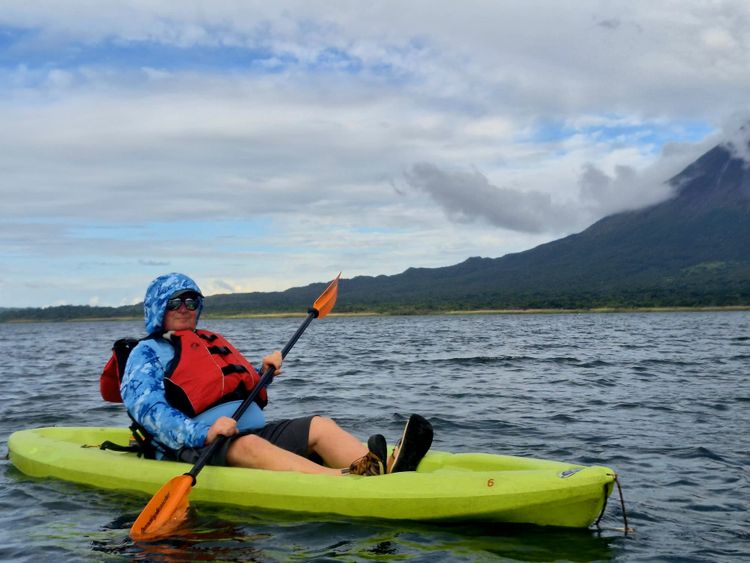
Costa Rica Wildlife Primer: What You Actually See, Where It Happens, and What Surprised Us
If you’re planning a trip, I keep the booking tools I actually use at https://www.traveladventurescurated.com/about/
This isn’t a checklist or a field guide. It’s a grounded primer based on what we actually saw over 21 days, where those sightings happened, and what influenced them. If wildlife is a major reason you’re going to Costa Rica, this context matters.
A Reality Check Before You Arrive
Costa Rica’s biodiversity is extraordinary — but wildlife encounters are never guaranteed. Animals don’t line up for photographs. Expecting them to do so is the fastest way to feel disappointed.
Bucket-List Wildlife: The Ones That Actually Mattered
Everyone arrives in Costa Rica with a mental bucket list. There were 5 items on my bucket list, and I saw 4 of them.
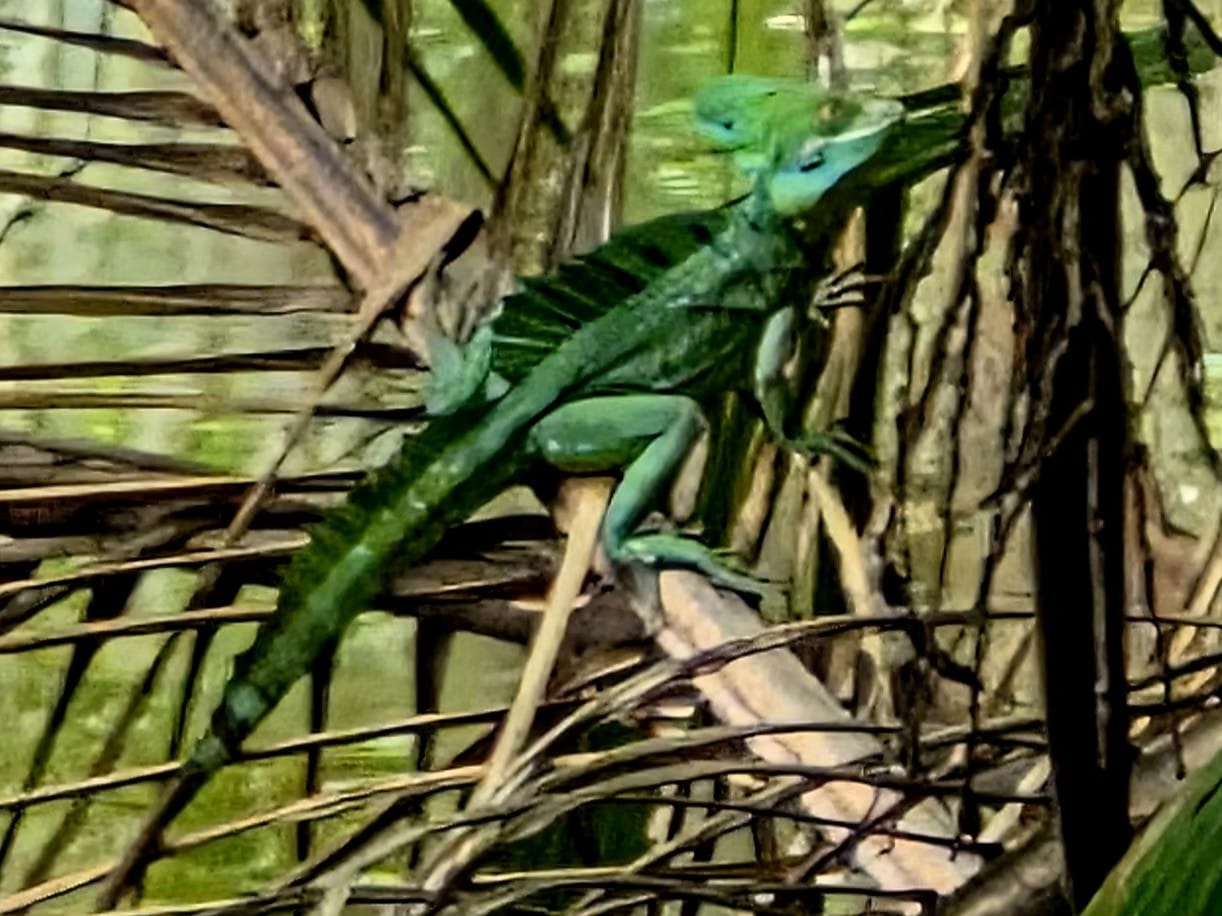
- Jesus Christ lizard — seen running across water when fly fishing on the Sarapiquí river. It happened quickly, unexpectedly, and was over in seconds. Blink and you miss it.
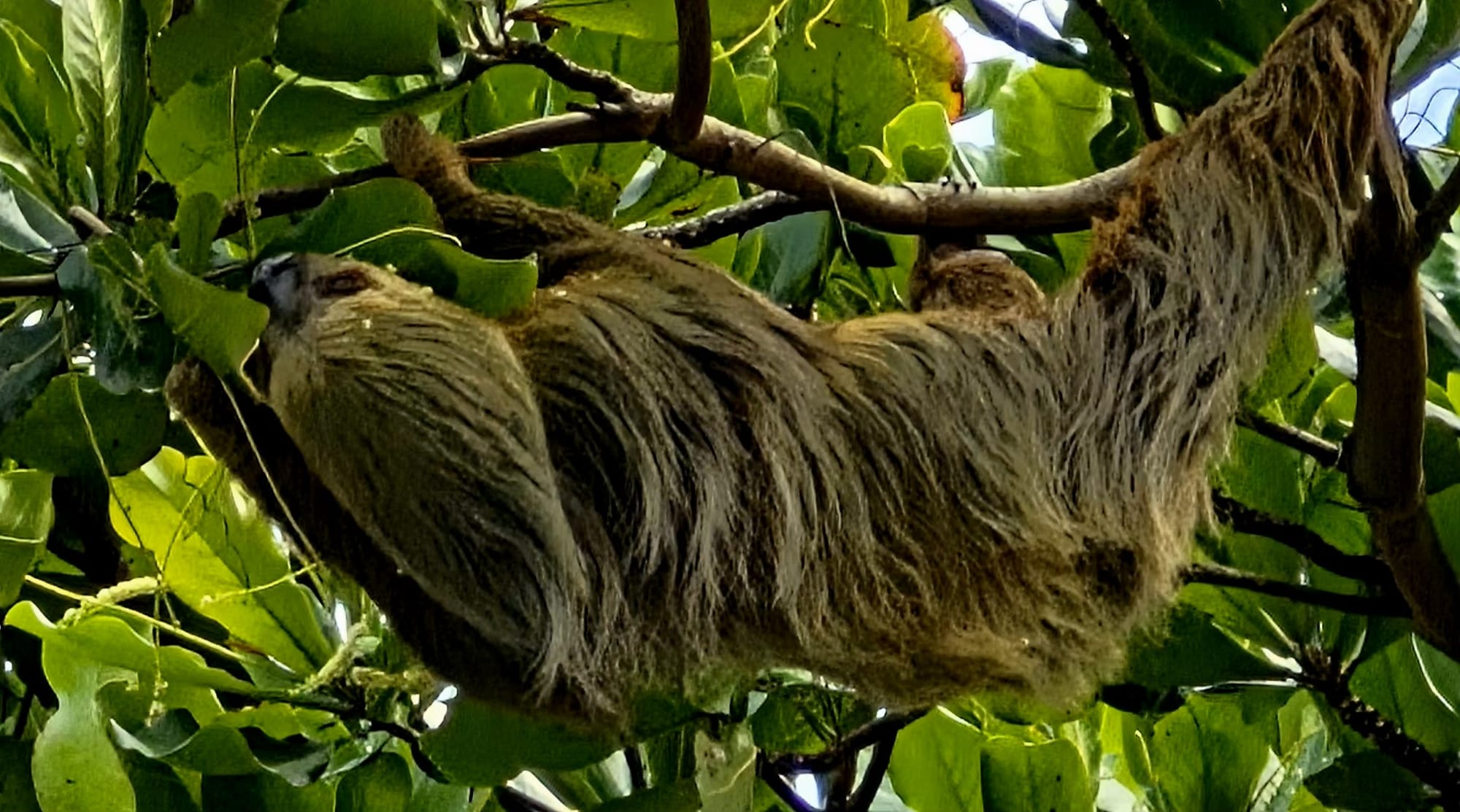
- Close-up sloth — not a distant shape in a tree, but a clear, sustained view during the Cahuita coastal rainforest hike.
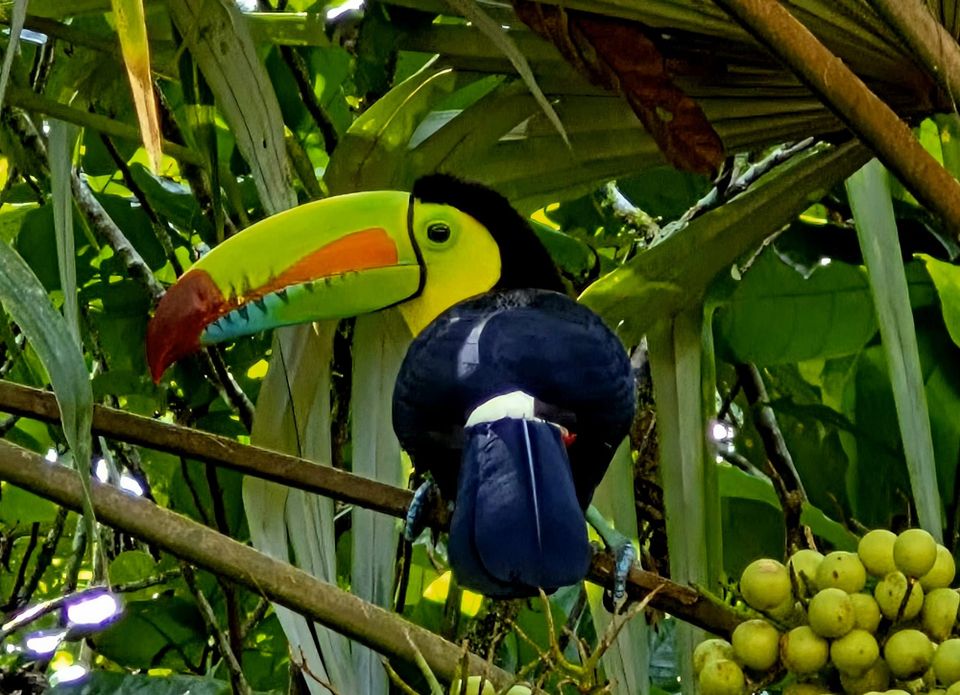
- Toucan — multiple sightings, including a prolonged close encounter near our lodge in Sarapiquí that allowed real observation rather than a quick glimpse.
- Poison dart frog — encountered early in the trip at our lodge.
I missed out on seeing river otters.
Sloths: Easier Than Expected — Once You Learn to See Them
Sloths were among the most reliable sightings of the trip, but not because they were obvious.
We saw sloths repeatedly across regions, including:
- A very close sighting during the Cahuita coastal rainforest hike
- A mother and baby sloth during river travel
- A roadside incident where a sloth moving on the ground caused a traffic jam
Monkeys: Heard, Smelled, Then Seen
In the Caribbean rainforest, howlers were:
- A constant early-morning soundtrack, their call is like a lion roar, very loud for such a small animal
- Audible well before sunrise at about 4 am
- Often detectable by smell, especially near feeding or resting areas
That musky, unmistakable poop odor usually meant howlers were nearby, even when hidden high in the canopy.
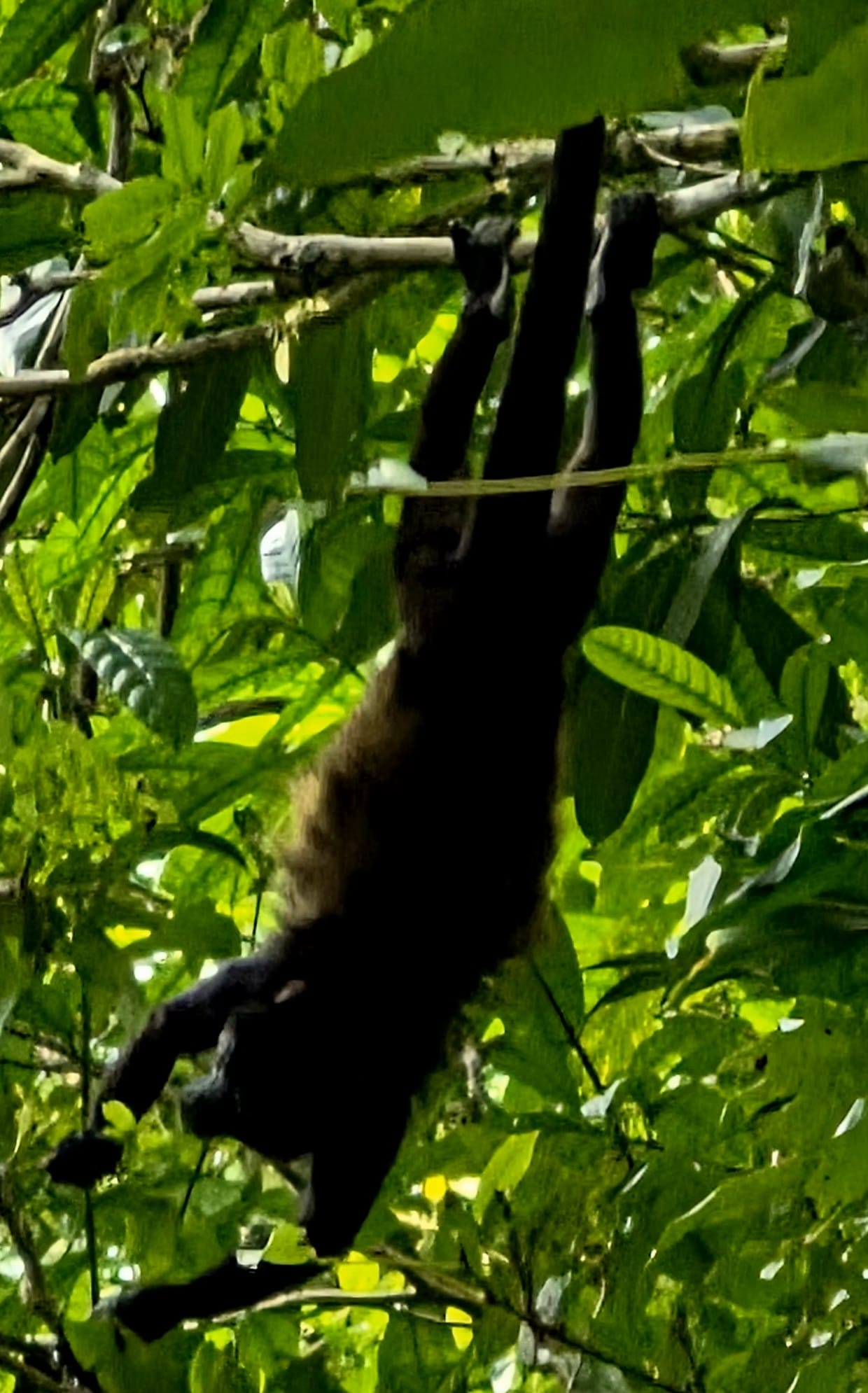
White-faced capuchins were far more interactive but less common. We saw them near trails and people, including stealing food directly from panicking tourists at the beach. They’re intelligent, opportunistic, and completely comfortable exploiting human behavior.
Frogs: Small, Abundant, and Easy to Miss
Frogs were everywhere — if you looked for them.
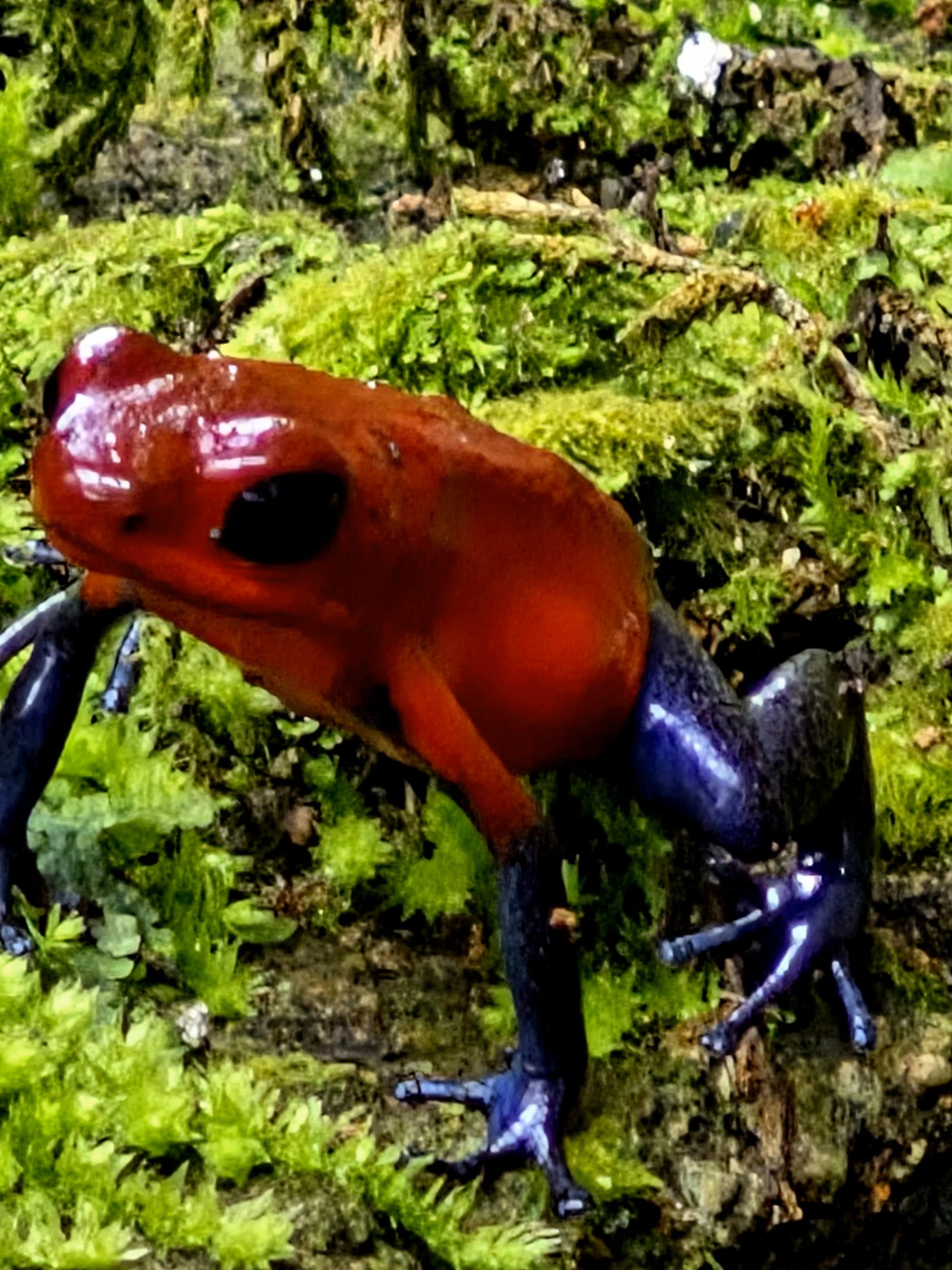
We saw:
- Poison dart frogs early in the trip, often near accommodation
- Leaf-litter frogs during rainforest walks
- Additional species during guided night walks
This post sets the stage for a later, deeper dive focused entirely on frog species and identification using our own sightings.
Birds: Constant Presence, Limited Access
Birdlife was rich and abundant.
Highlights included:
- Multiple toucan sightings, including an extended close encounter in Sarapiquí
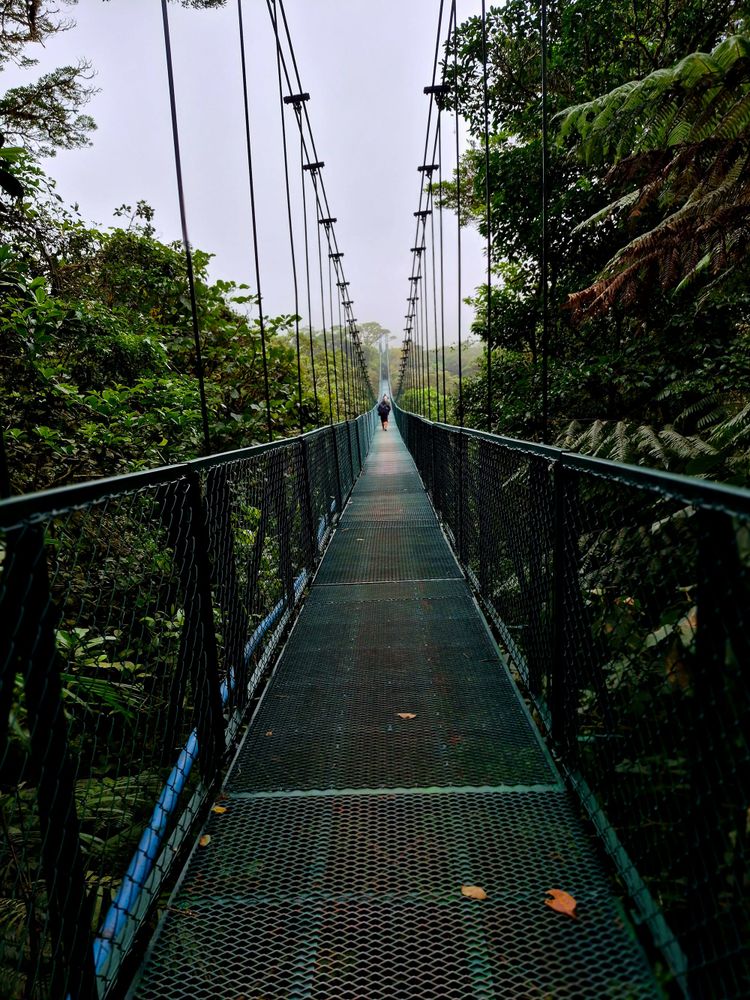
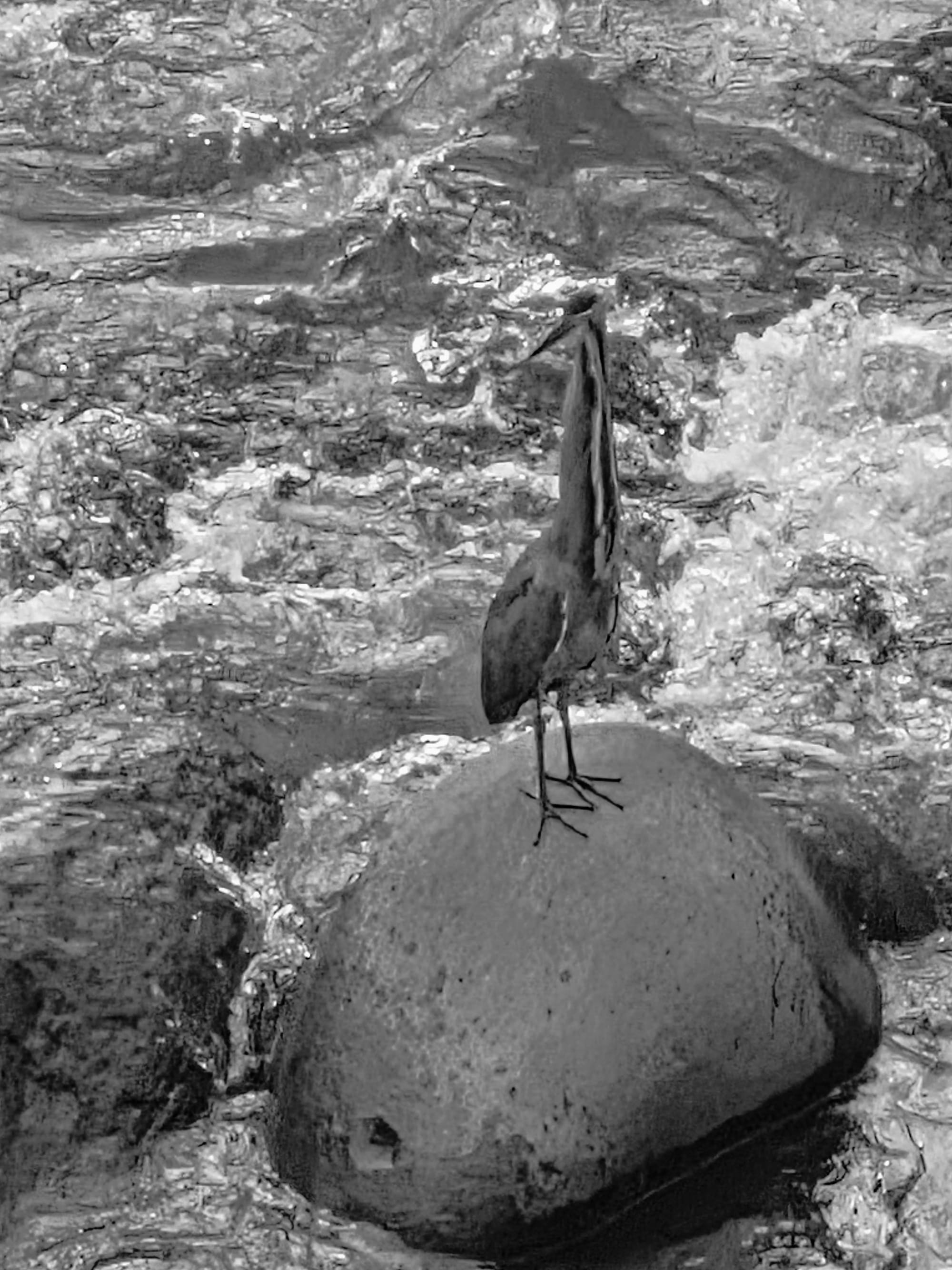
- A striking sunbittern seen when looking down from a hanging bridge at the river below.
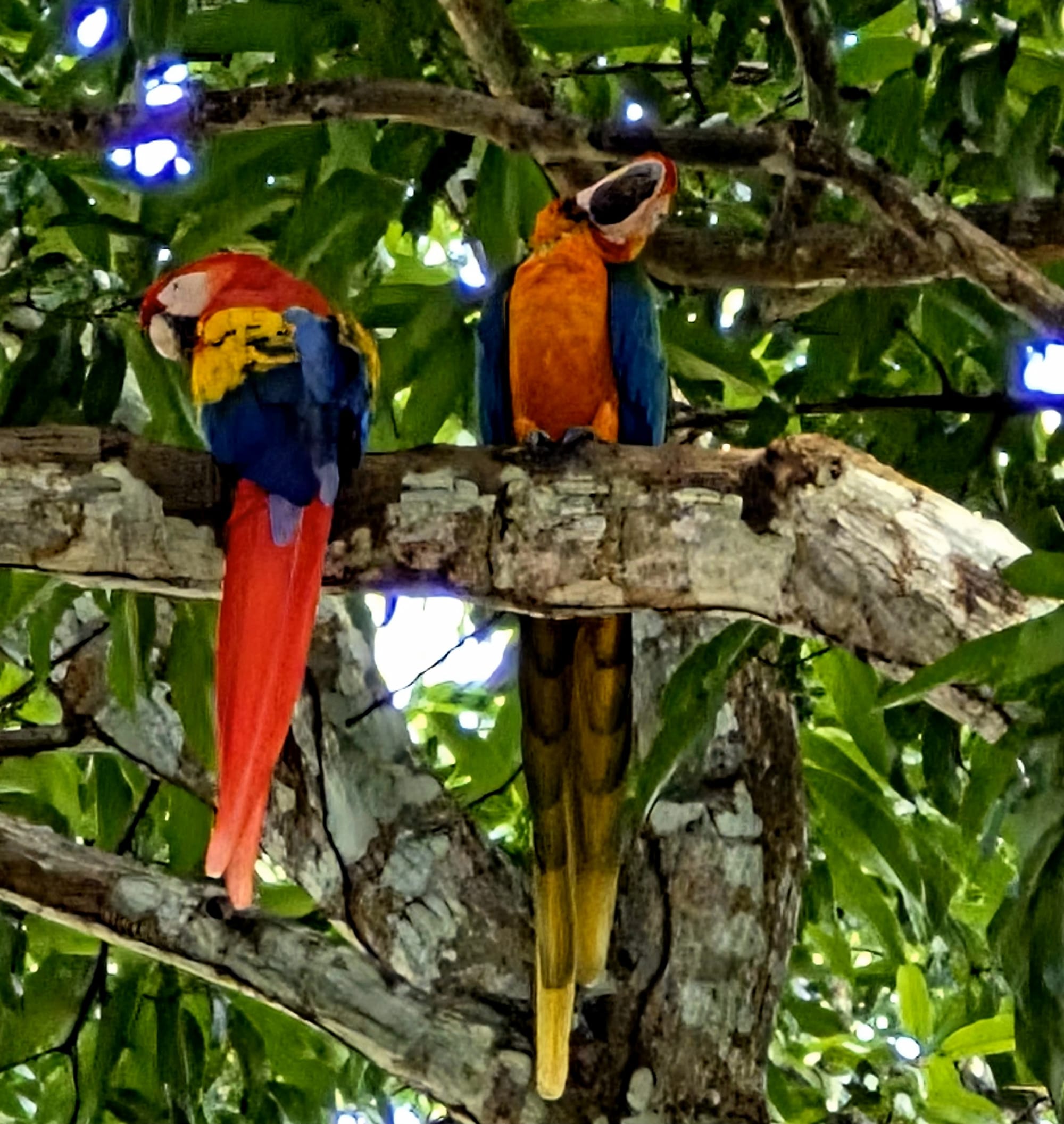
- Great green macaws, blue and yellow macaw and scarlet macaw high in the canopy
- Daily bird activity recorded using the Merlin Bird App as part of a morning sound-recording project - 192 different bird calls recorded before my phone stopped working after getting wet inside the waterproof pouch while snorkeling.
Birds were everywhere — but difficult to photograph with a cellphone in the canopy because of poor lighting and distance. Not having binoculars was a genuine regret. Binoculars with a cellphone attachment would have allowed many more bird photographs. I spent an inordinate amount of time trying to capture pictures of green macaws feeding high in the canopy, I never captured any good images of these birds.
Snakes: Rare, Serious, and Not Just Nocturnal
Snake sightings were infrequent but significant.
We encountered:
- A vine snake
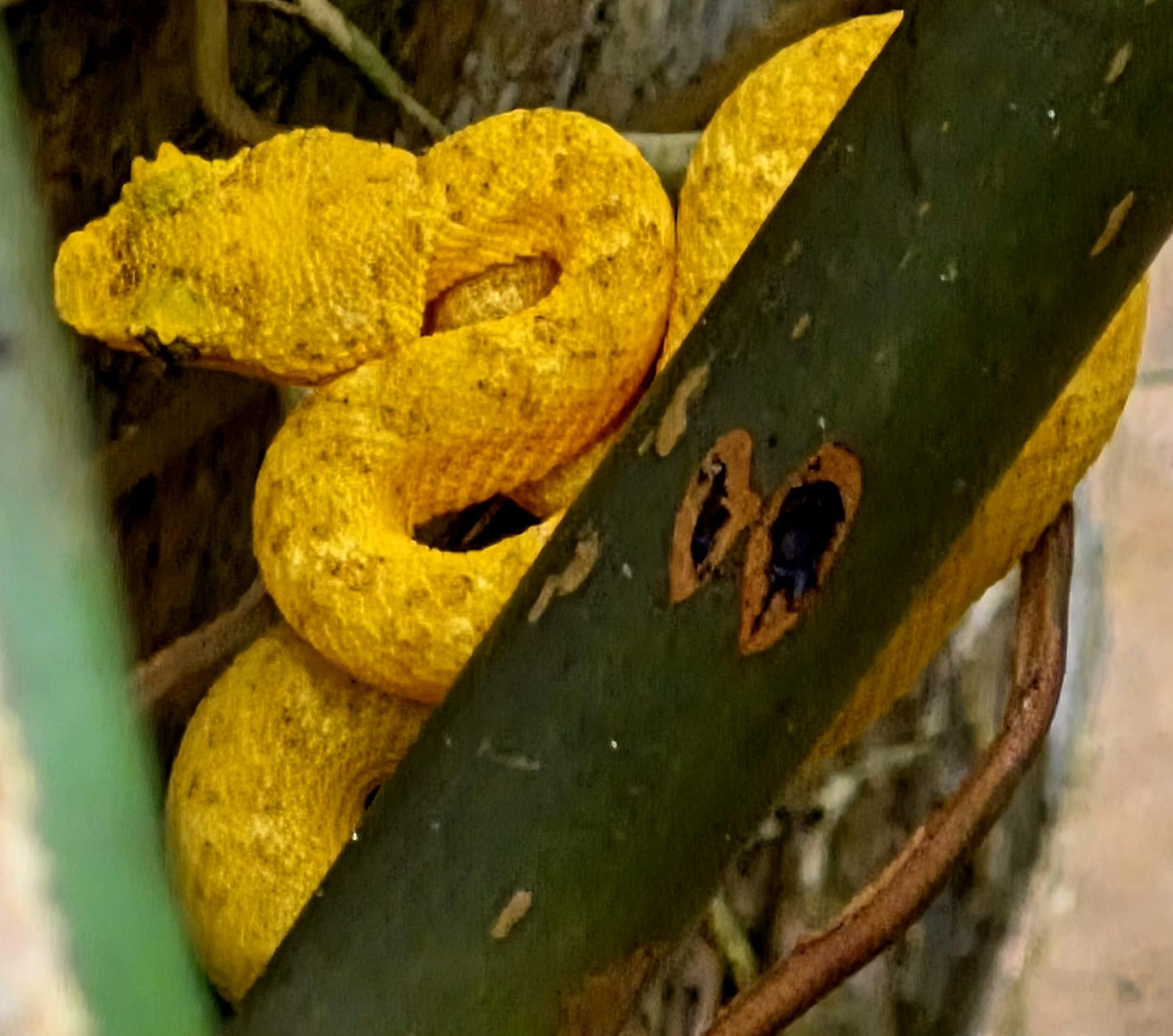
- An eyelash viper - yellow morph
- A yellow night adder
Guides always cautioned their charges not to touch vegetation overhanging the trail because of the risk of getting bitten by a snake.
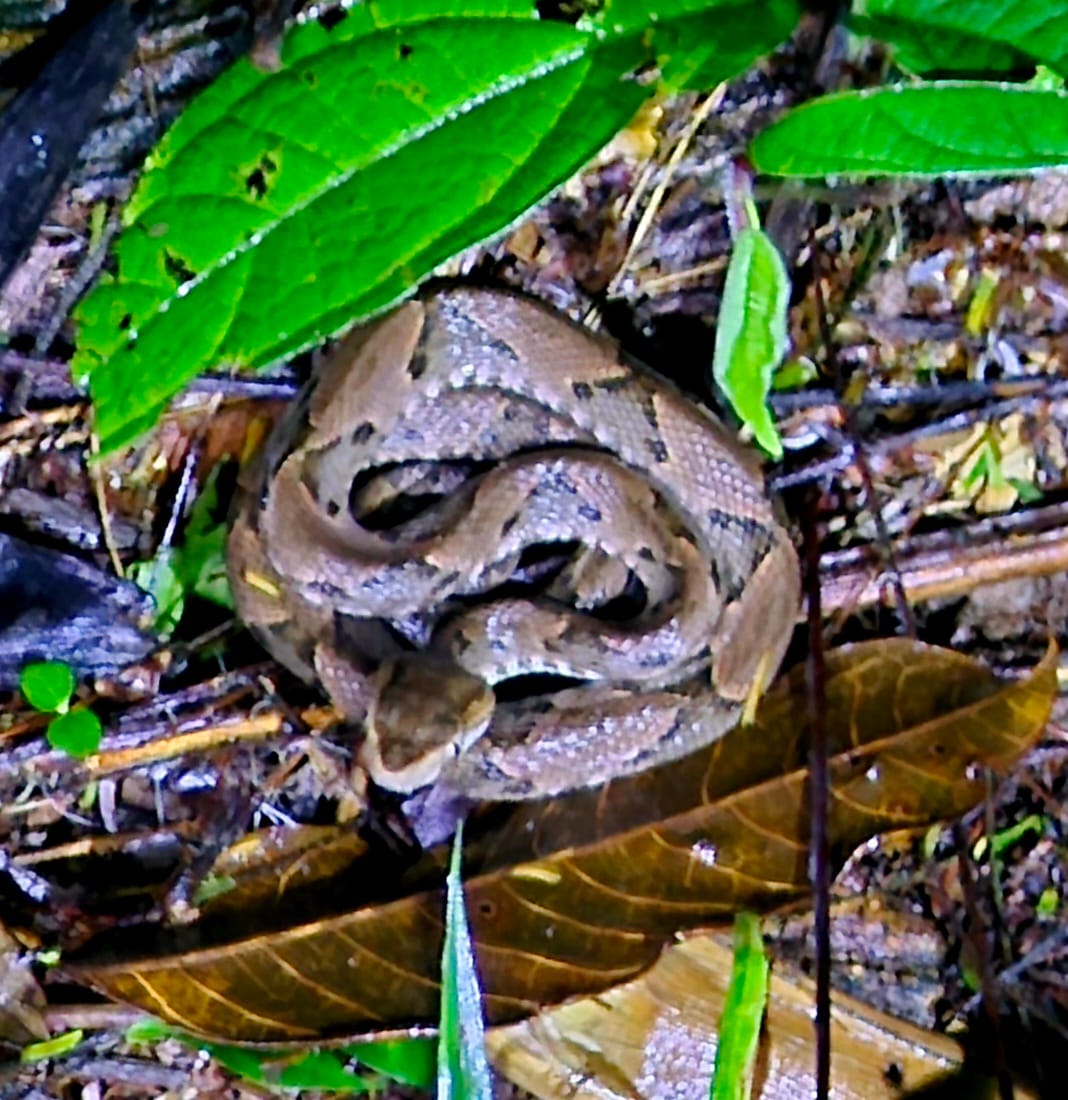
- A large fer-de-lance encountered during the day on a physically demanding waterfall hike and another smaller one on a night hike.
The day time fer-de-lance sighting stood out. It was big, unmistakable, and caused quite a stir amongst the guides — this is Costa Rica’s most dangerous and aggressive snake.
Spiders, Insects, and Reptiles: The Constant Layer
We regularly encountered:
- Large orb-weaving spiders
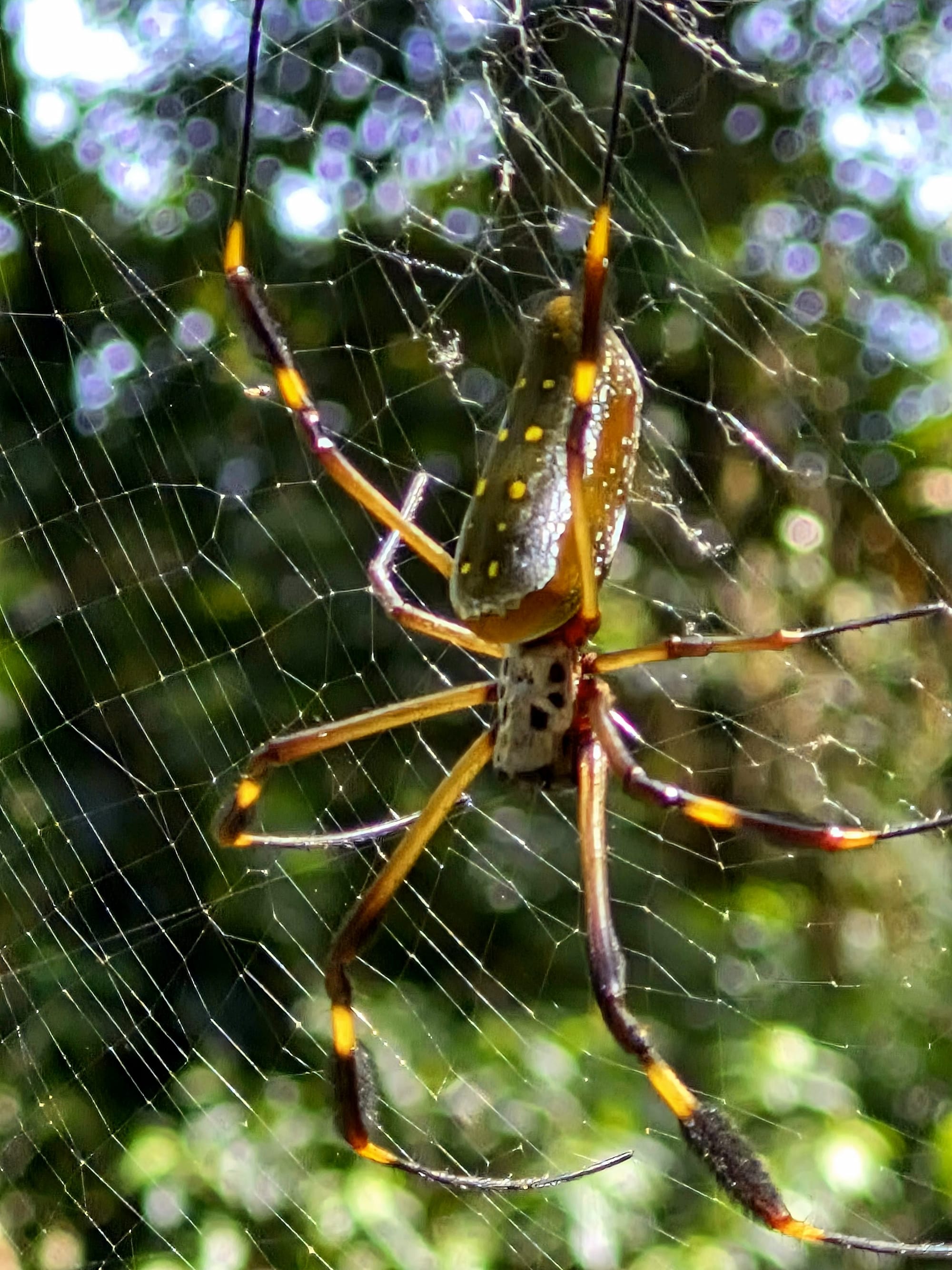
- Wandering spiders
- Bullet ants
- Leaf cutter ants
- Army ants
- Stick insects and leaf-mimicking insects
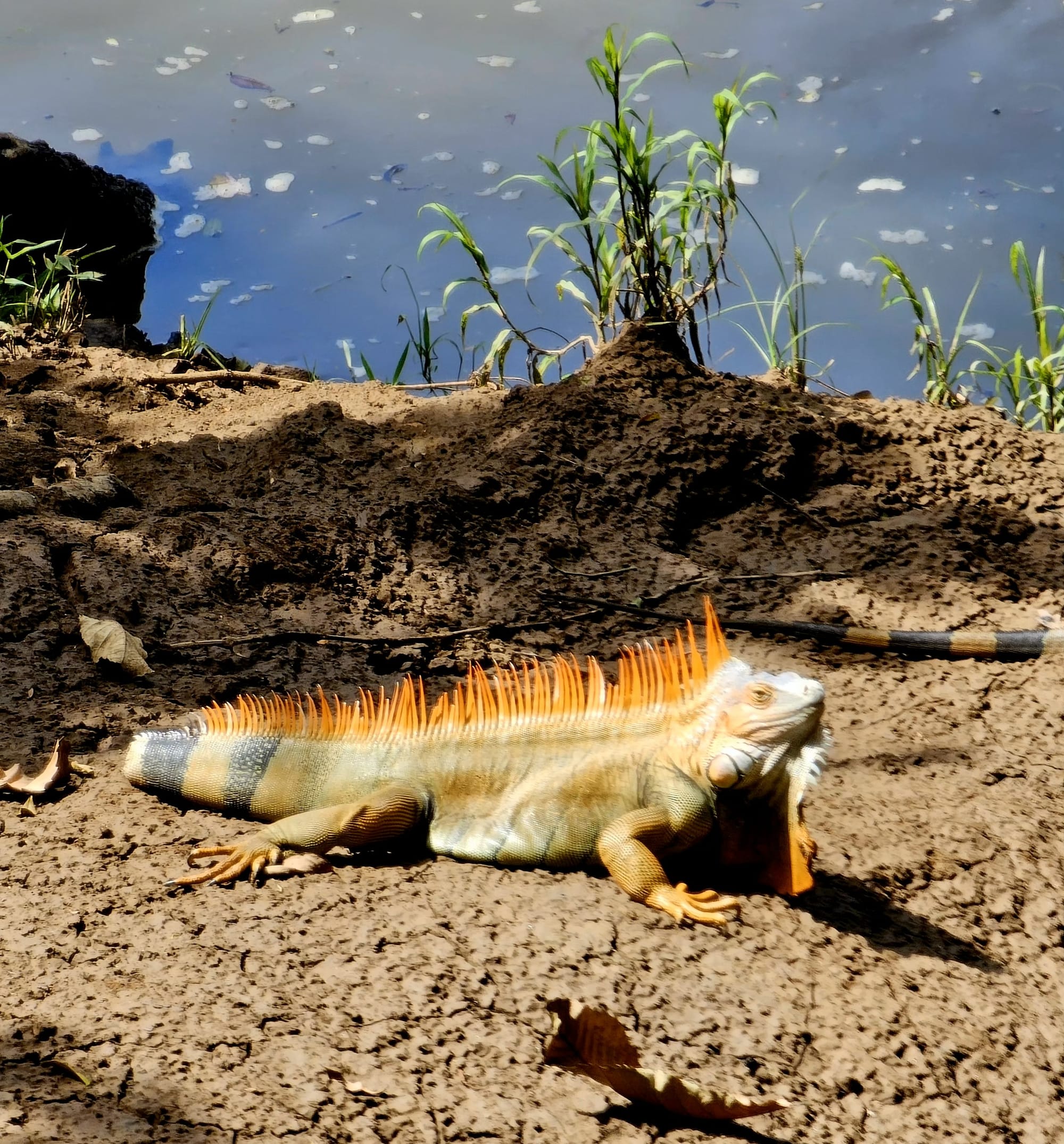
- Iguanas and lizards, often high in trees, on roof tops or near water. On one occasion a large iguana jumped out of a tree overhanging the river and made a huge splash and scared all of us on the inflatable raft a few feet from where he fell. He was being chased by a larger iguana and had to escape his aggressor.
- Scorpions visible under UV light during night walks
- Crocodiles, Cayman, alligators and turtles
Insects weren’t background noise — they were part of daily life. Insect bites were a constant irritation and required the use of an effective insect repellant, anti-itch treatment and wearing appropriate clothing. Accepting the presence of insects from the get-go is necessary.
Day and Night Are Two Different Worlds
Daytime encounters tended to involve:
- Sloths
- Monkeys
- Birds
- Reptiles near water
Night walks revealed:
- Frogs
- Spiders
- Snakes
- Scorpions
Night walks dramatic and one of the highlights of the trip. Most of what we saw would have been invisible without experienced guides and night vision binoculars. Not all tour operators utilize night vision binoculars, but they open up a whole new world, we saw roosting toucans, a sloth feeding, snakes, and small insects that would have been invisible with a torch and the naked eye.
What Actually Matters
What mattered most:
- Experienced guides
- Patience and stillness
- Proper footwear
- Situational awareness
Costa Rica rewards attention, not urgency.
What Surprised Me Most
What surprised me wasn’t the diversity — it was how often wildlife appeared during ordinary moments.
Not during scheduled tours, but:
- On the walk to breakfast
- From a lodge porch
- Along a roadside
- At transport hubs
- While waiting quietly
The more you slow down, the more the environment reveals itself.
What Comes Next
The next post moves back to the very start of the trip — white-water rafting the Pacuare River and the first two days on the ground.
From here on, the series becomes day-specific, place-specific, and deeply narrative.
If you’ve travelled in Costa Rica — or elsewhere primarily for wildlife — I’d be interested to hear what surprised you most, or what you underestimated before arriving.
All photographs in this post were taken by me during this Costa Rica trip.
If you’re planning a trip, I keep the booking tools I actually use at https://www.traveladventurescurated.com/about/