Costa Rica in 21 Days: A Trip Built Around Experiences
If you’re planning a trip, I keep the booking tools I actually use at https://www.traveladventurescurated.com/about/
Costa Rica doesn’t reward half measures. I knew that going in — but it became much clearer once we were on the ground, moving between regions, dealing with weather, road conditions, fatigue, and the sheer effort involved in getting from one place to another.
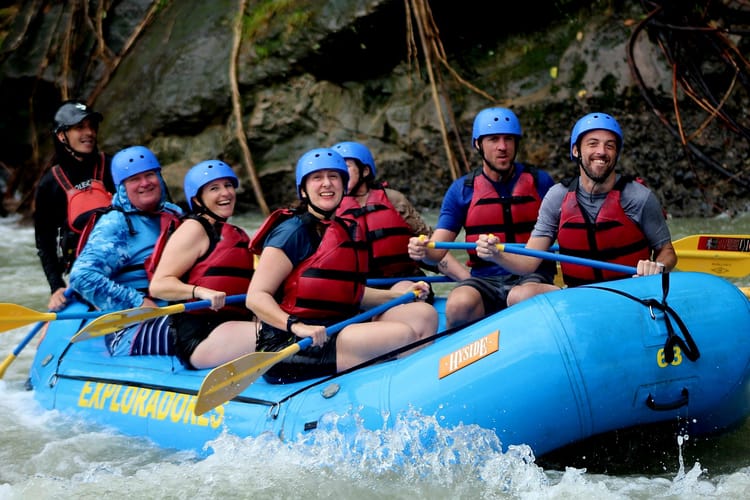
This trip wasn’t about ticking off destinations. It was built deliberately around activities and experiences, with the locations acting as the canvas rather than the point. Whitewater rafting, kayaking, fishing, hiking, night walks, waterfalls, ziplining, hot springs — and, just as importantly, planned recovery and indulgent downtime at the end.
Over three weeks, we crossed the country multiple times — from the Caribbean lowlands to the Pacific coast — building days around activities rather than geography and quickly realizing just how far apart places in Costa Rica really are.
Designing the Trip: Experience First, Flexibility Built In
This was a fully custom itinerary, designed specifically for us. It took months of planning and constant back-and-forth with a travel agent based in Costa Rica, not the US. That mattered.
She understood the reality on the ground — distances, road quality, weather patterns, recovery time — and helped shape a route that was ambitious but workable. Along the way, we adjusted plans, reshuffled activities, and added two separate fishing trips without breaking the structure of the journey.
Everything was pre-arranged: accommodation, transport, guides, logistics. That came at a cost, but it removed stress completely. No hire car. No navigating poor roads or long drives ourselves. No daily decisions about what was possible.
Not having a car was liberating — even if it meant accepting that you couldn’t just jump in and go somewhere on a whim. In return, we were looked after every step of the way, which allowed us to focus entirely on the experiences.
The Caribbean Lowlands: Starting at Full Speed
The trip began on the Caribbean side, anchored around rivers and rainforest rather than beaches. Whitewater rafting set the tone immediately — physical, immersive, and completely dependent on conditions.
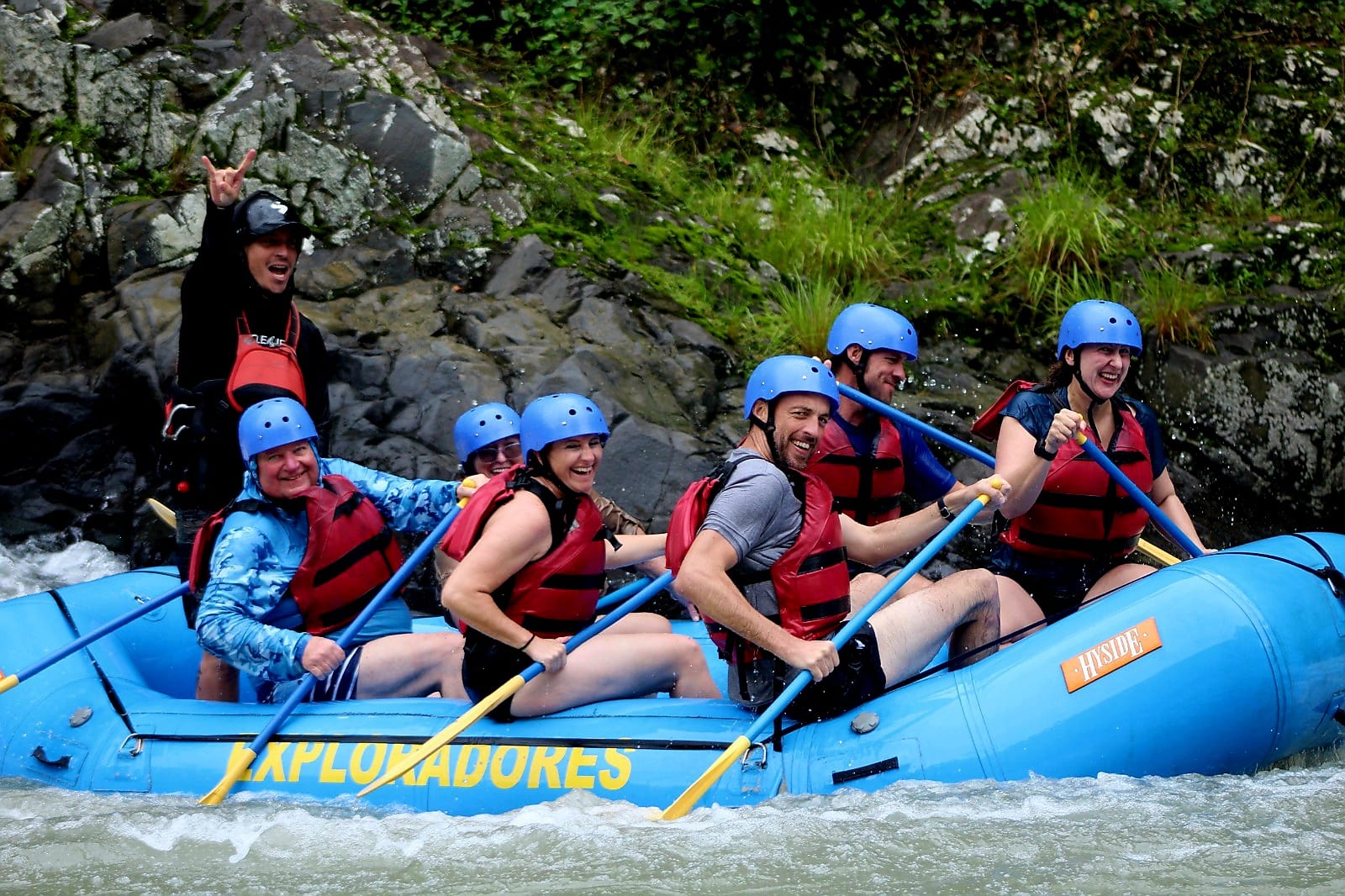
Plans flexed from the outset. Weather dictated what could run and what couldn’t. Wildlife didn’t appear on cue. Some days delivered exactly what we’d hoped for; others required patience.
The rainforest here wasn’t a backdrop. It was something you paddled across, hiked through, and sweated inside. Humidity was relentless. Gear stayed damp. Footwear choices mattered more than expected. This wasn’t hardship — it was simply Costa Rica, unfiltered.
Caribbean Coast: Full Days and Real Effort
Moving toward the coast didn’t make things easier — it changed the mix.
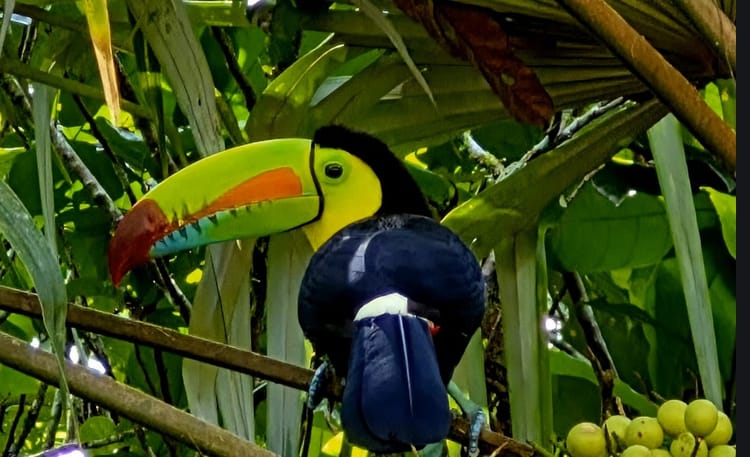
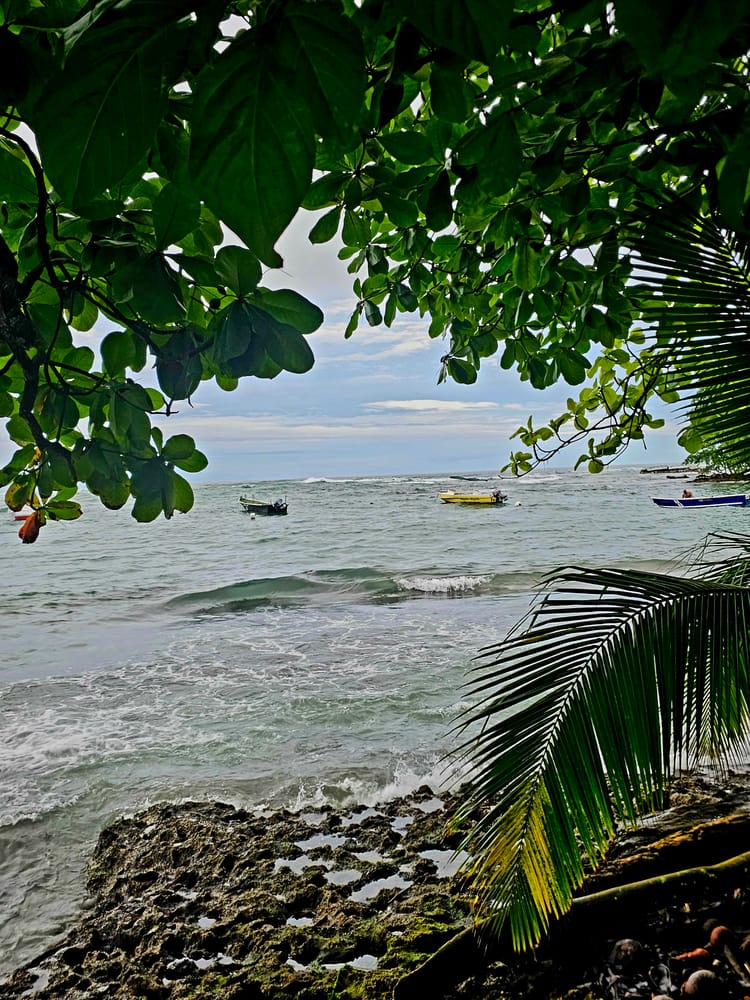
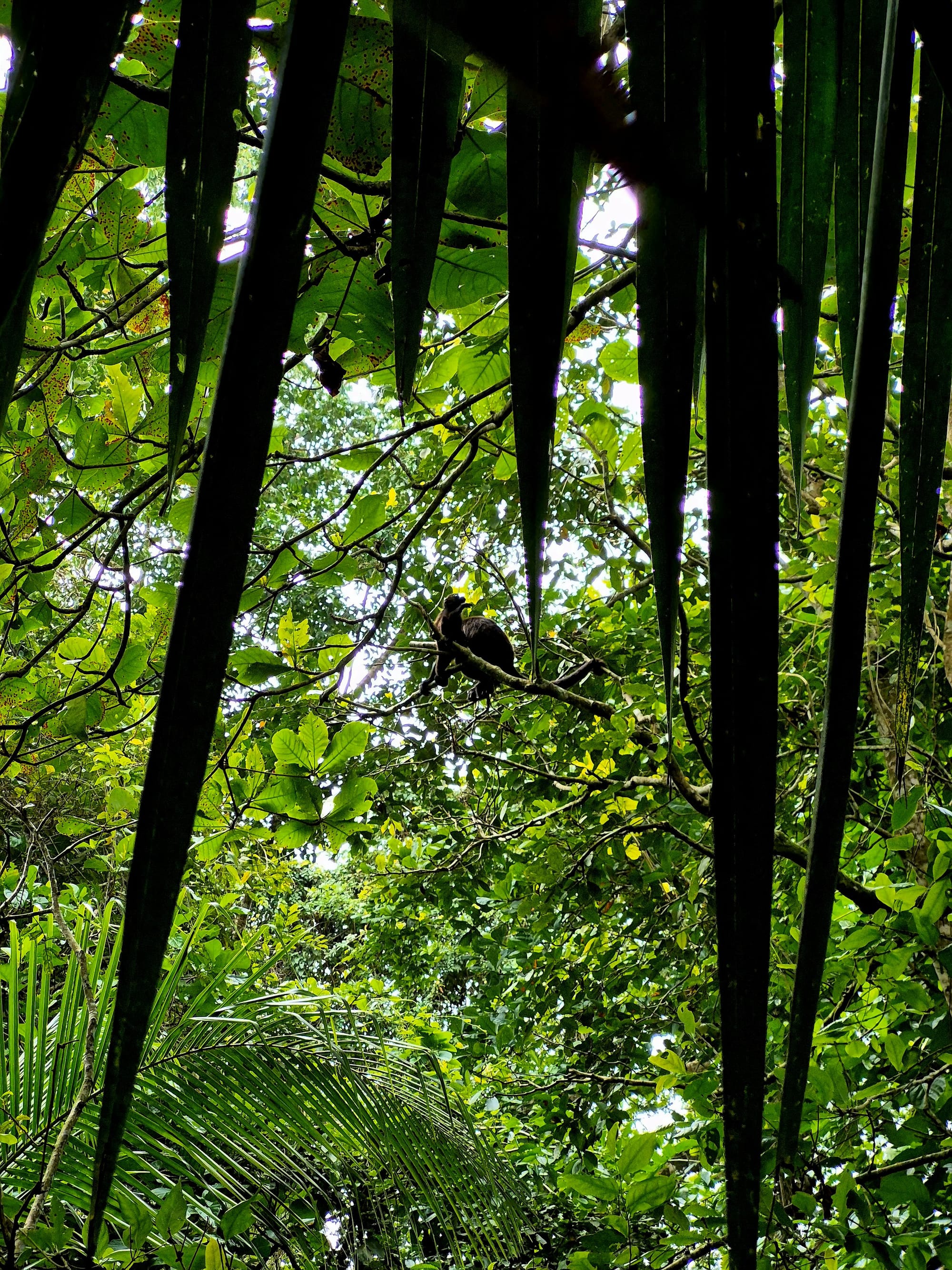
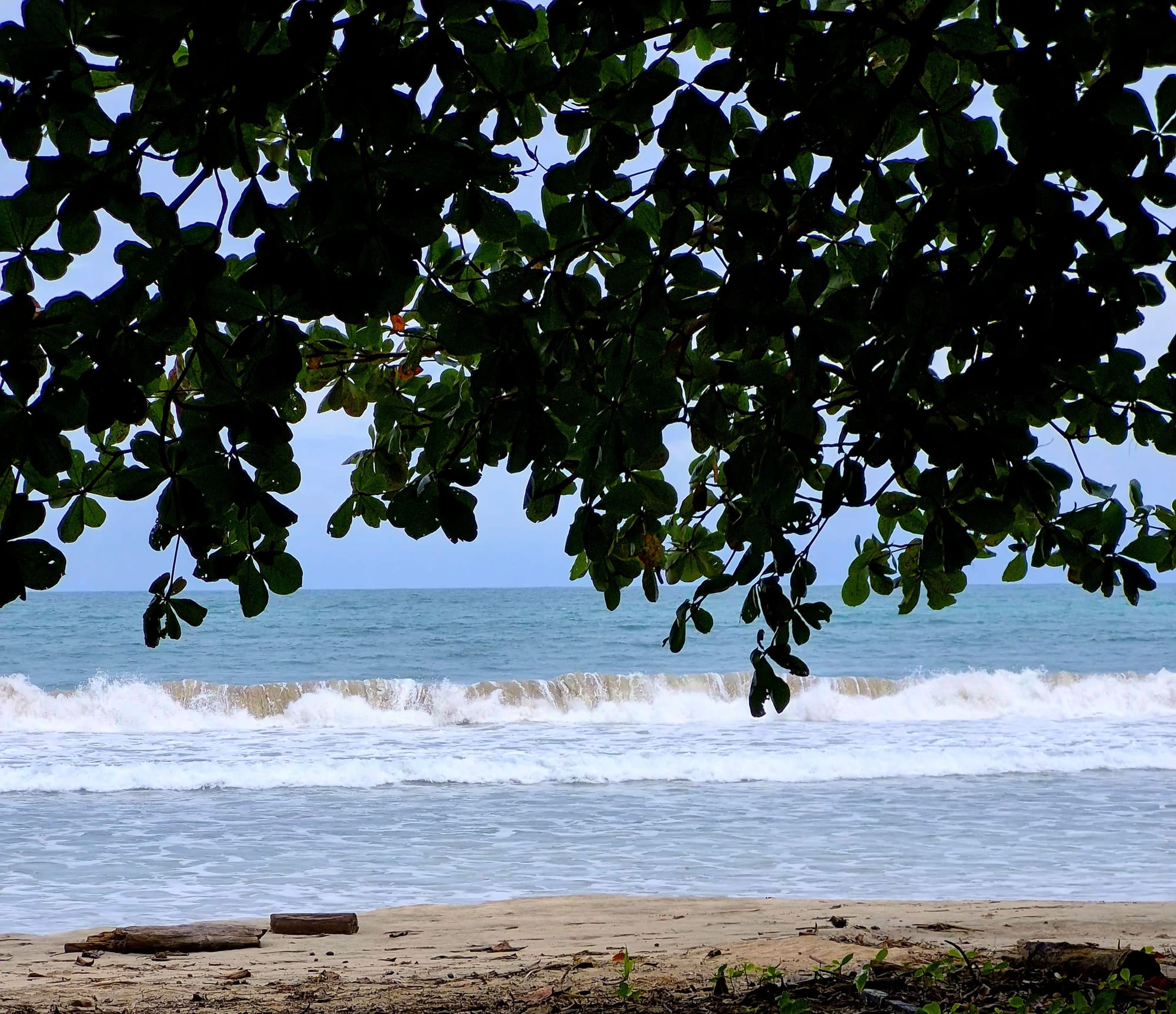
Rainforest hikes ran straight into the sea. Wildlife appeared where you least expected it: sloths close enough to photograph properly, snakes on trails, monkeys overhead. Some days were packed and exhilarating. Others were wet, uncomfortable, or physically demanding.
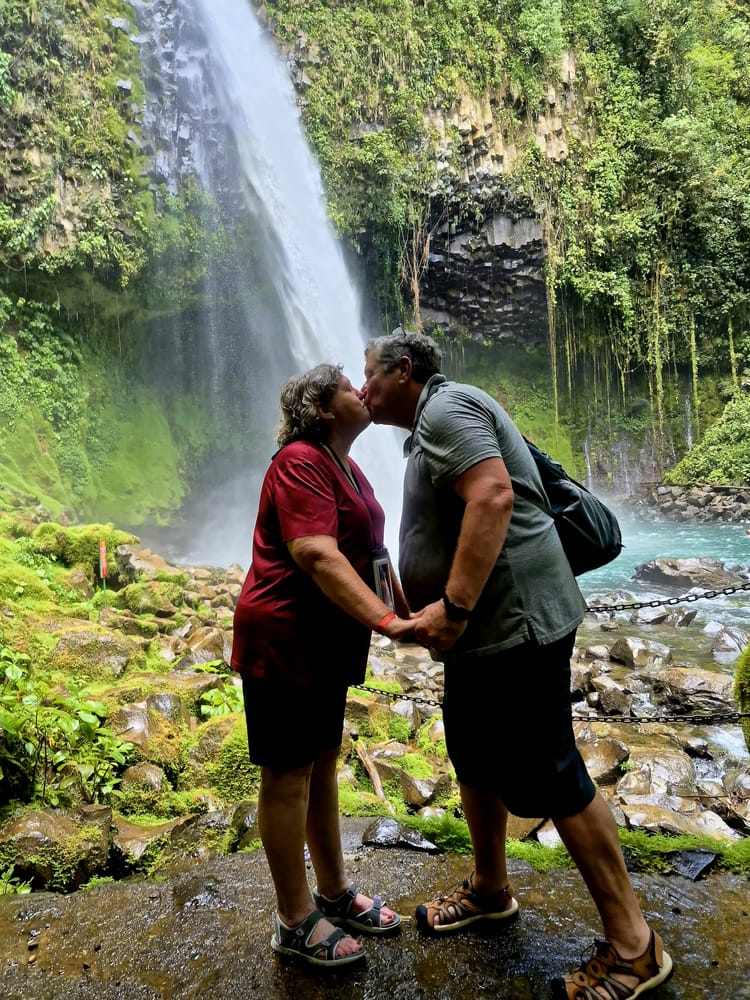
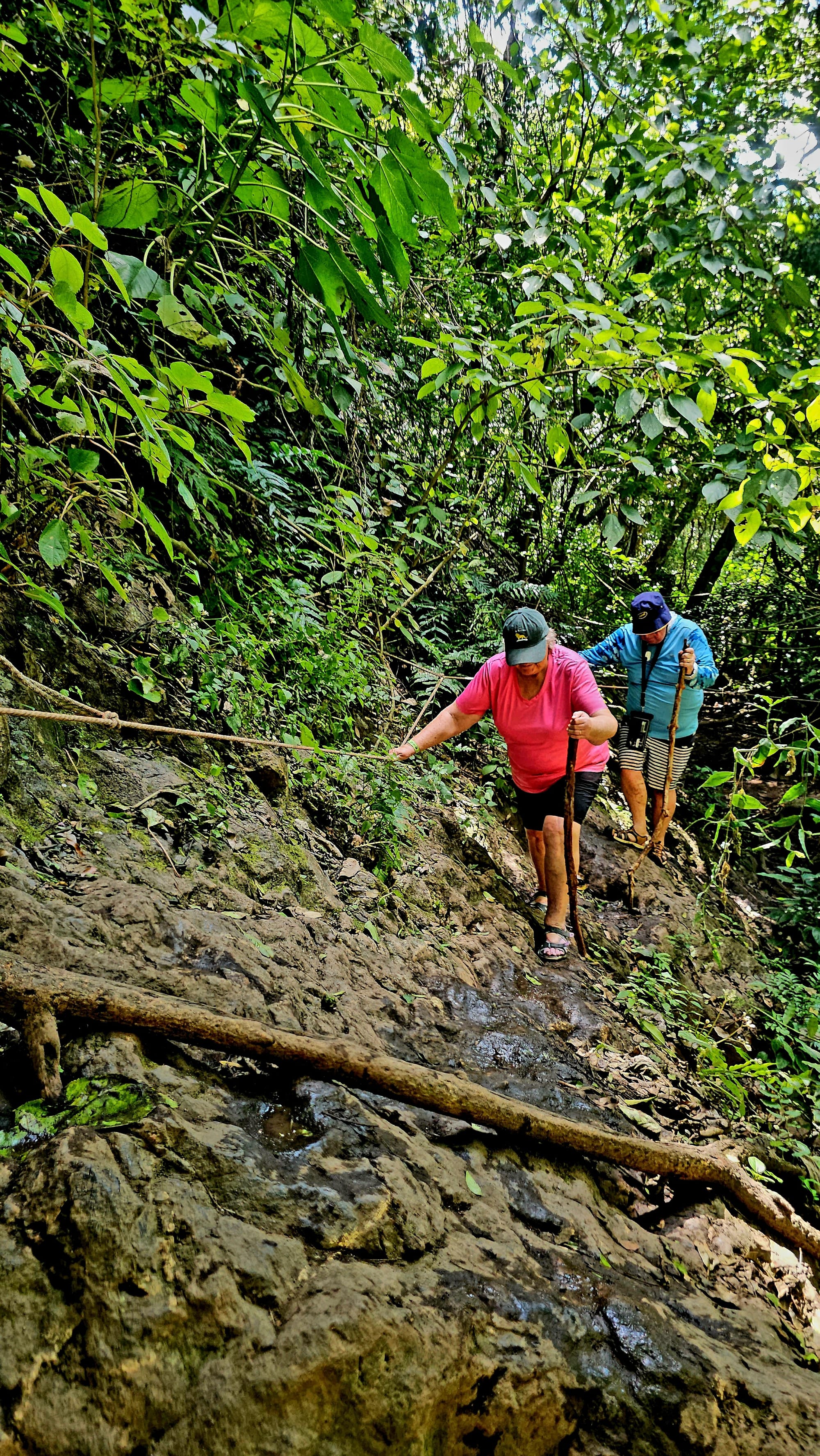
Two moments stood out physically. One was a long hike over rough, uneven terrain where every step needed attention. The other was the climb back up 500 steep steps after visiting a waterfall — stunning but genuinely punishing in the heat.
Those moments mattered. Effort sharpens memory. You don’t forget places that ask something of you.
Sarapiquí: Deeper Into the Rainforest
Sarapiquí marked another shift. Denser rainforest. Heavier air. Darker nights. The feeling of being inside an ecosystem rather than passing through it.
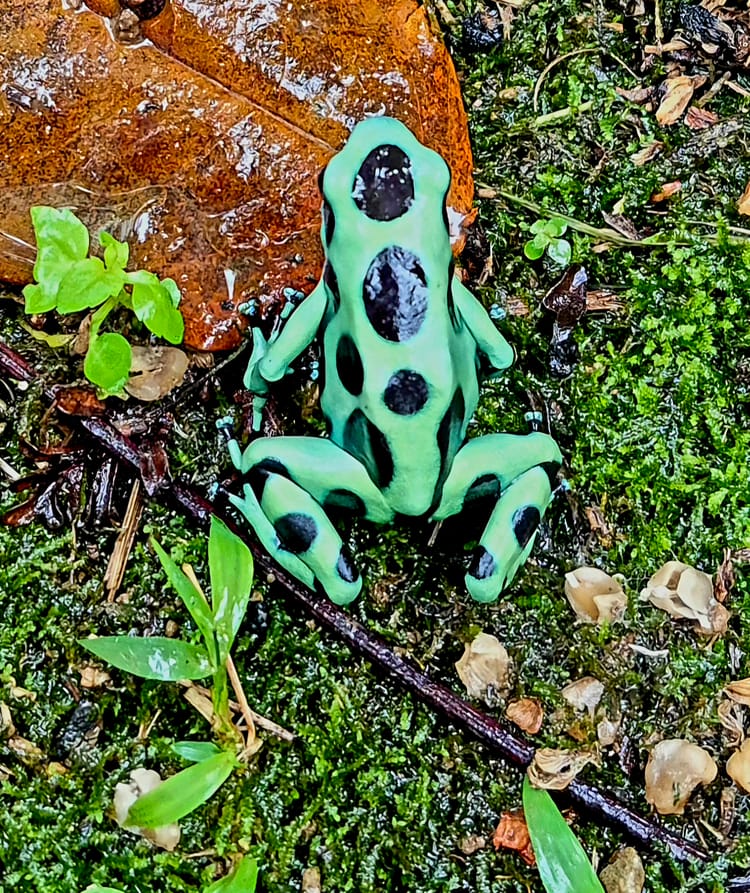
Night walks revealed frogs, spiders, and snakes you’d never spot alone. Suspension bridges tested balance and nerve. River trips delivered wildlife slowly, without spectacle.
This wasn’t about drama or poetry. It was about attention — and having experienced guides who knew exactly what to look for and when.
Arenal and La Fortuna: Heat, Effort, and Recovery
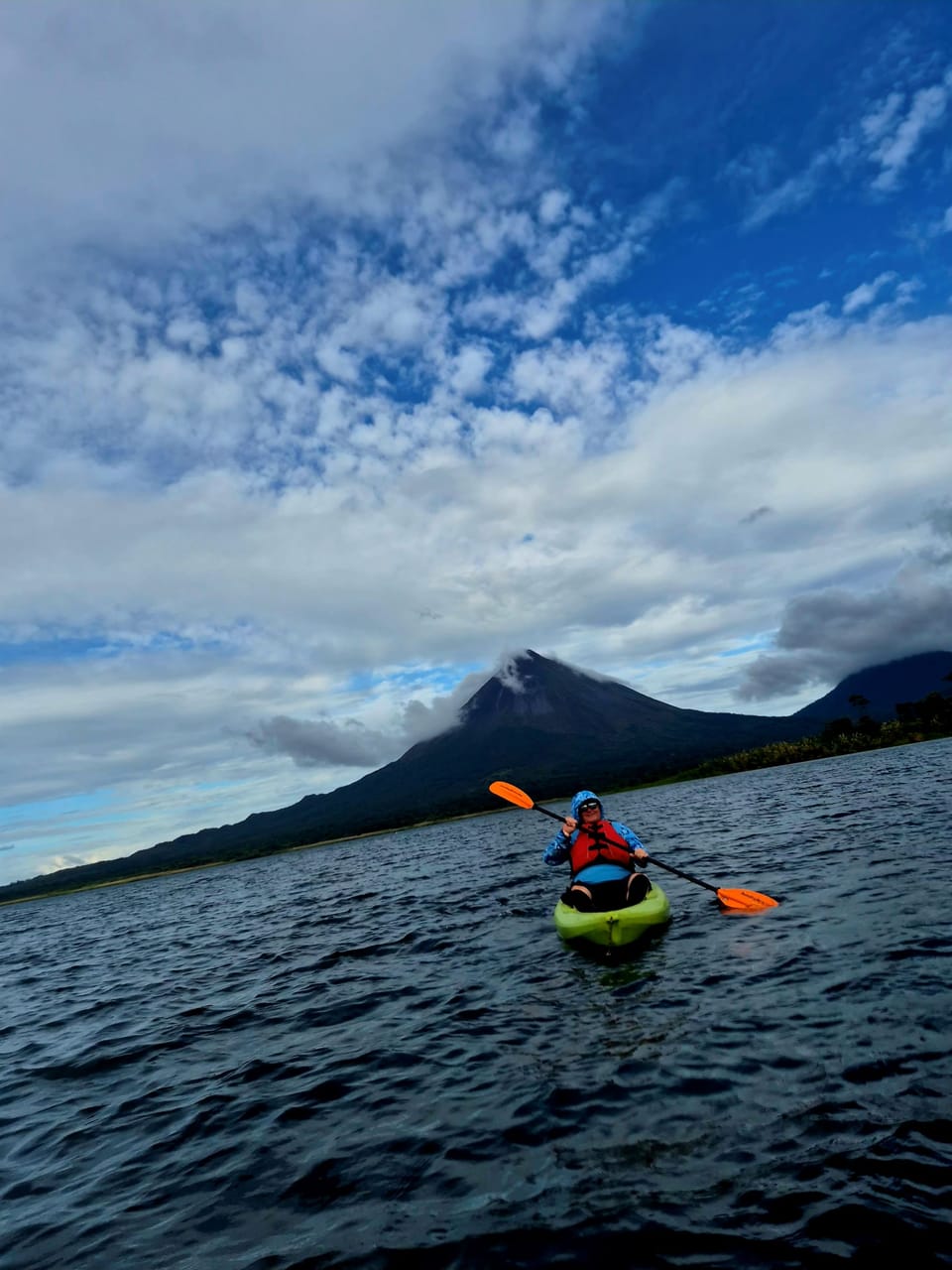
By the time we reached Arenal, fatigue was real. Activities remained physical — hiking, kayaking, horseback riding — but recovery became just as important as exertion.
Waterfalls were beautiful but costly in effort. Hot springs weren’t indulgent; they were necessary. Comfort stopped being optional and became part of making the rest of the trip work.
This phase reinforced something I don’t always respect enough: comfort isn’t weakness — it’s what allows you to keep going.
Rincón de la Vieja: Adrenaline Without Apology
The northwest brought drier forests and some of the most intense days of the trip. Canyon ziplining, whitewater tubing, long stretches of physical activity with little margin for error.
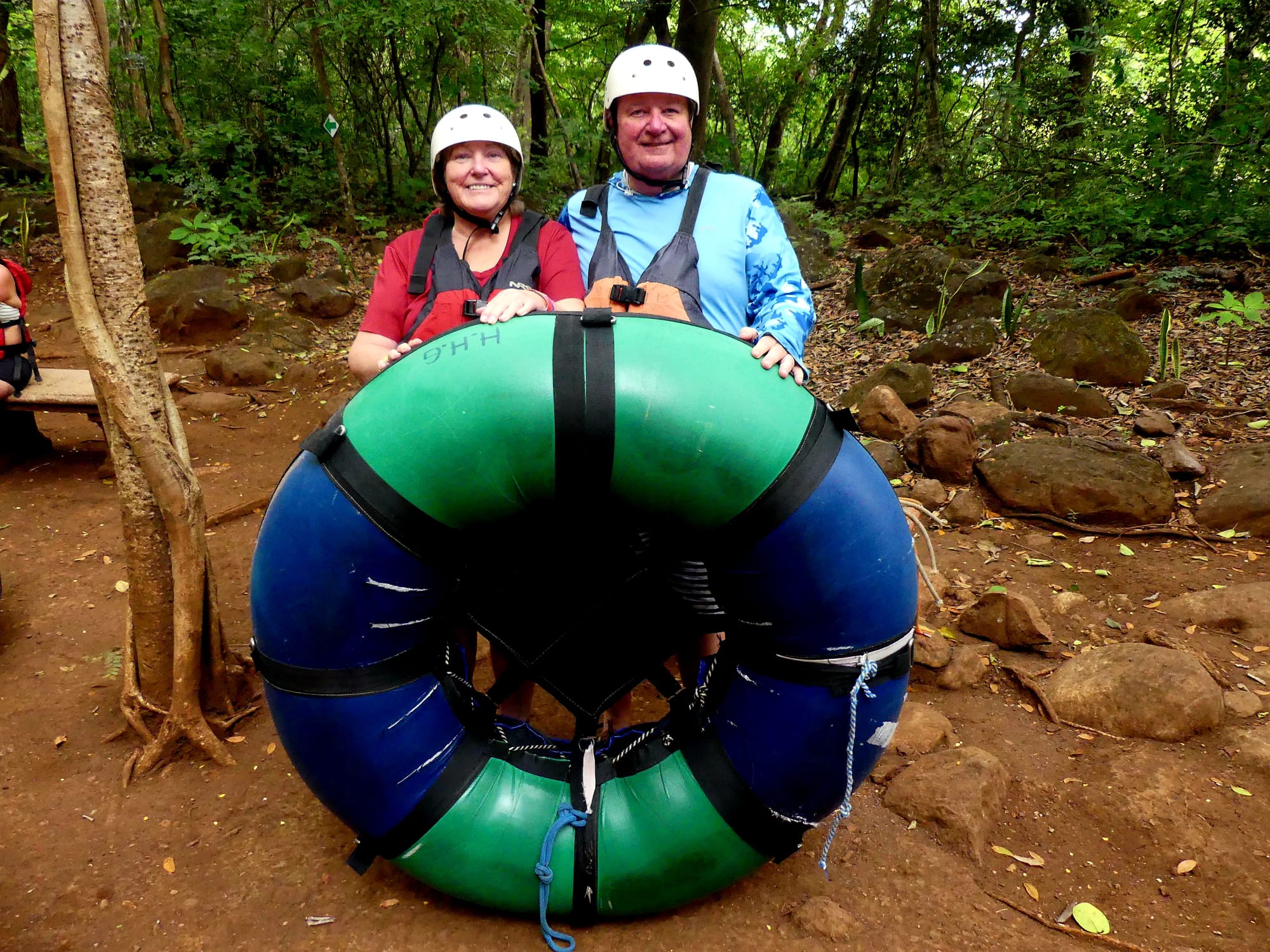
This was Costa Rica at full throttle — and it worked because of where it sat in the itinerary. Earlier on, it would have been too much. Here, it felt earned.
The Pacific Coast: Deliberate Indulgence at the End
The final days on the Pacific coast were intentionally different.
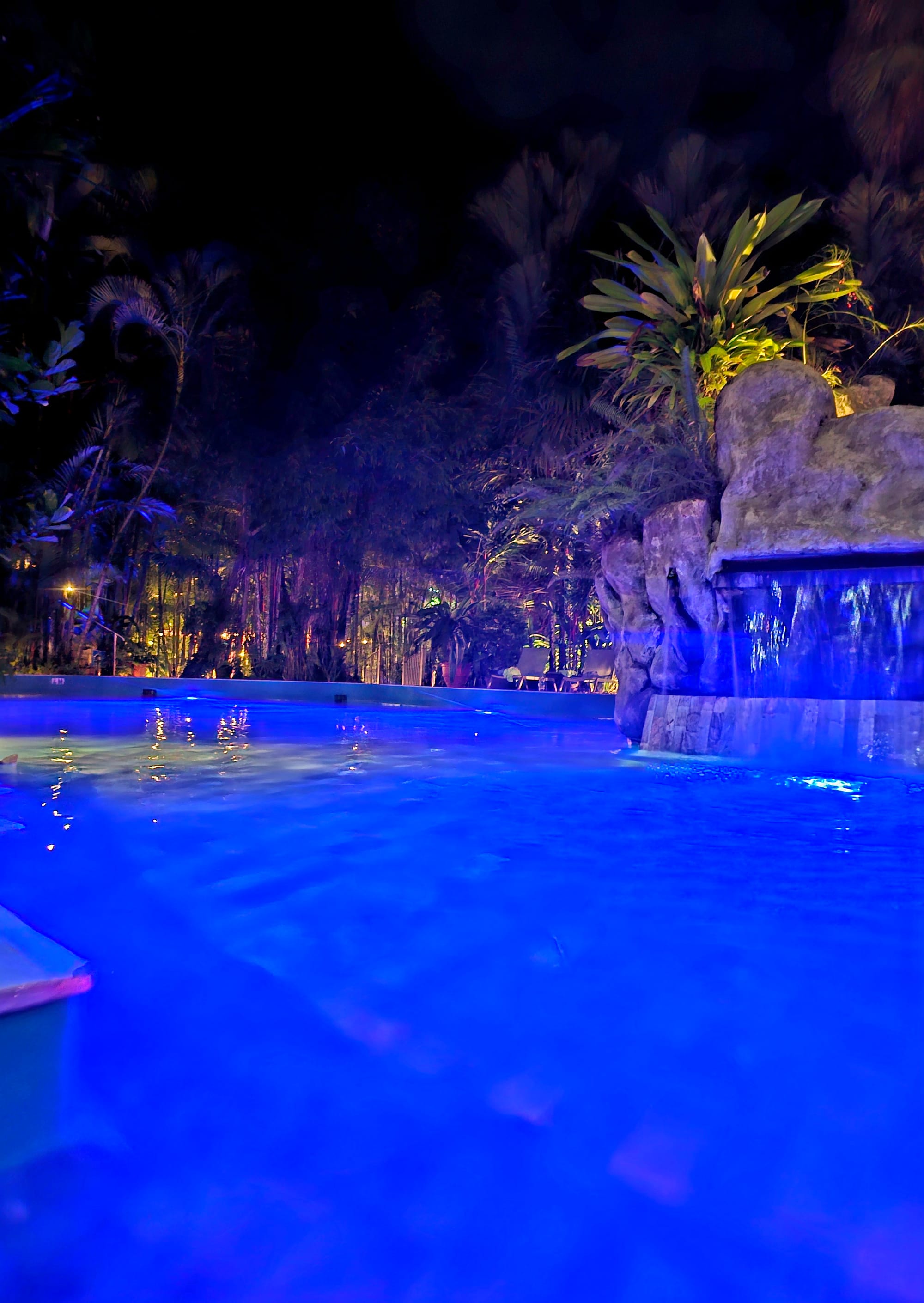
Warm water. Long swims. Relaxed kayaking. Late afternoons with no schedule at all. This wasn’t just winding down — it was deliberately indulgent. Giving ourselves permission to stop chasing activities and simply enjoy being somewhere beautiful.
After weeks of effort, that kind of slowdown felt deserved.
Who This Way of Travelling Suits
This approach won’t suit everyone.
It’s busy. It’s physical. It’s structured. Everything is planned, paid for, and timed. You give up spontaneity in exchange for depth, access, and peace of mind.
But if you enjoy full days, varied experiences, expert guides, and the confidence that someone else is handling the logistics — especially in a country where distances are deceptive and roads can be challenging — this approach works extremely well.
Costa Rica doesn’t rush you — unless you let your itinerary do that to you. Ours was full by design, flexible where it mattered, and supported from start to finish.
What Comes Next
This post sets the framework.
From here, I’ll break the journey down properly — region by region, activity by activity. Some posts will focus on places, others on wildlife, fishing, photography, and individual days that stood out. There will also be a full visual gallery and, eventually, an eBook that brings the entire experience together in one place.
If you know someone planning a longer Costa Rica trip — or someone who prefers experience-driven travel over rushed itineraries — feel free to share this with them.
This trip was built carefully, lived fully, and challenged us in all the right ways.
Now it’s time to tell it properly.
If you’re planning a trip, I keep the booking tools I actually use at https://www.traveladventurescurated.com/about/
Some links on this site are affiliate links. If you choose to book through them, I may earn a small commission at no extra cost to you. I only recommend tools and services I use or genuinely believe add value.