Costa Rica Days 3–4: Caribbean Arrival, Jungle Living, and Adjusting to Reality
If you’re planning a trip, I keep the booking tools I actually use at https://www.traveladventurescurated.com/about/
Day 3 – Caribbean Arrival and Jungle Living
We arrived at our accommodation, Azania Bungalows, set deep in the Caribbean jungle. The bungalows blend seamlessly into their surroundings — thatched roofs, screened sides, no solid walls, and a constant free flow of air. You don’t shut the jungle out here. You live inside it. That became obvious very quickly.
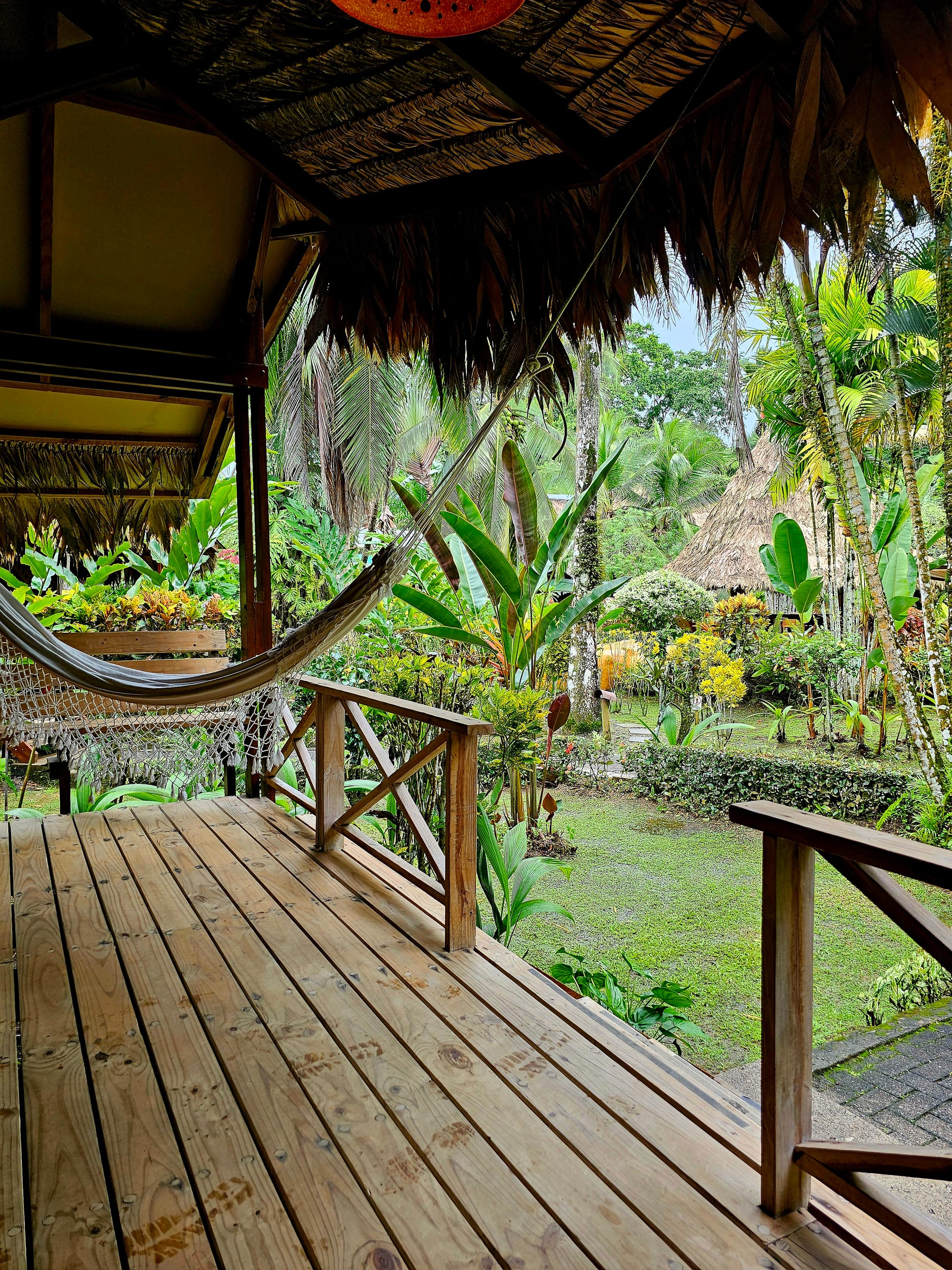
We woke to the sound of a howler monkey that felt impossibly close — deep, guttural calls echoing through the trees like it was right outside our window. My birding app immediately lit up with calls from every direction. So many species registered in such a short time that I eventually switched it off. Rain started early and didn’t let up.
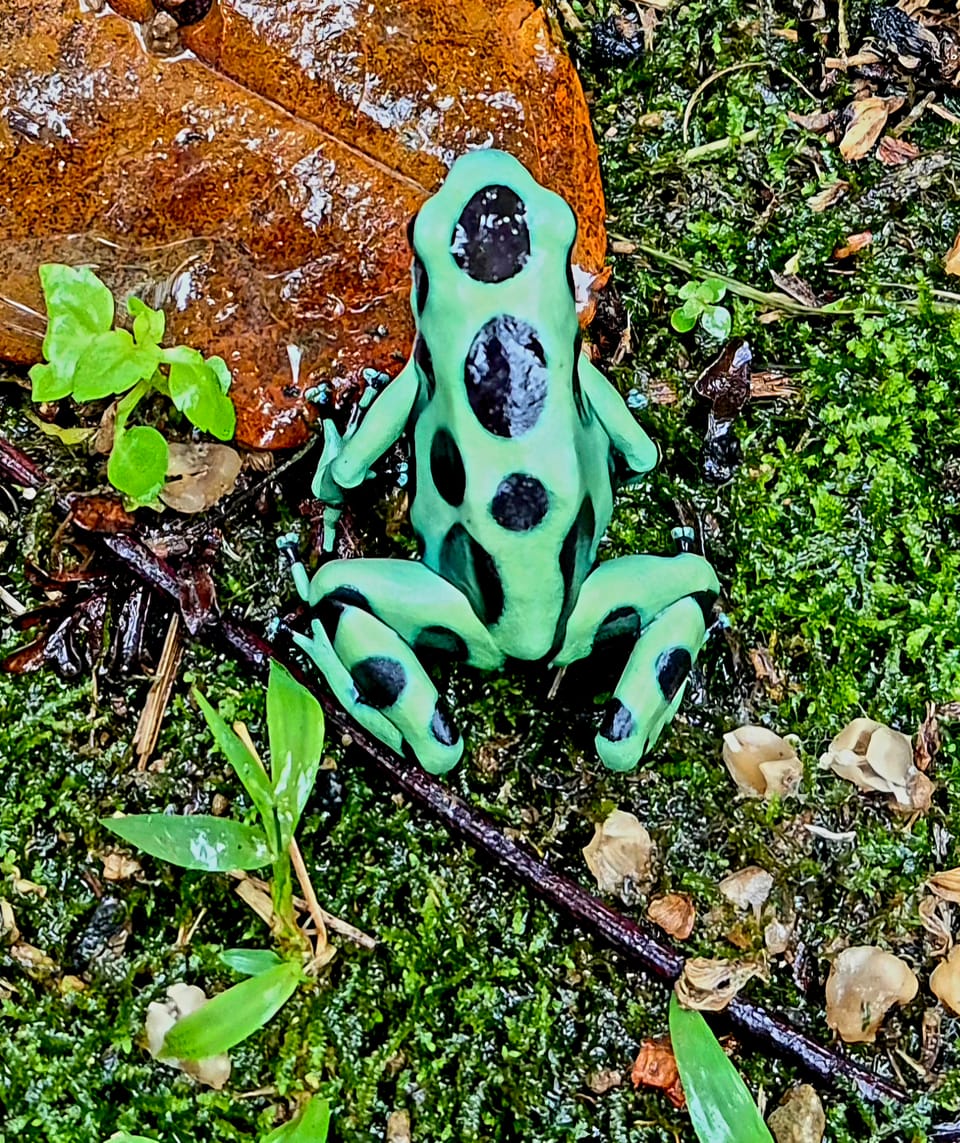
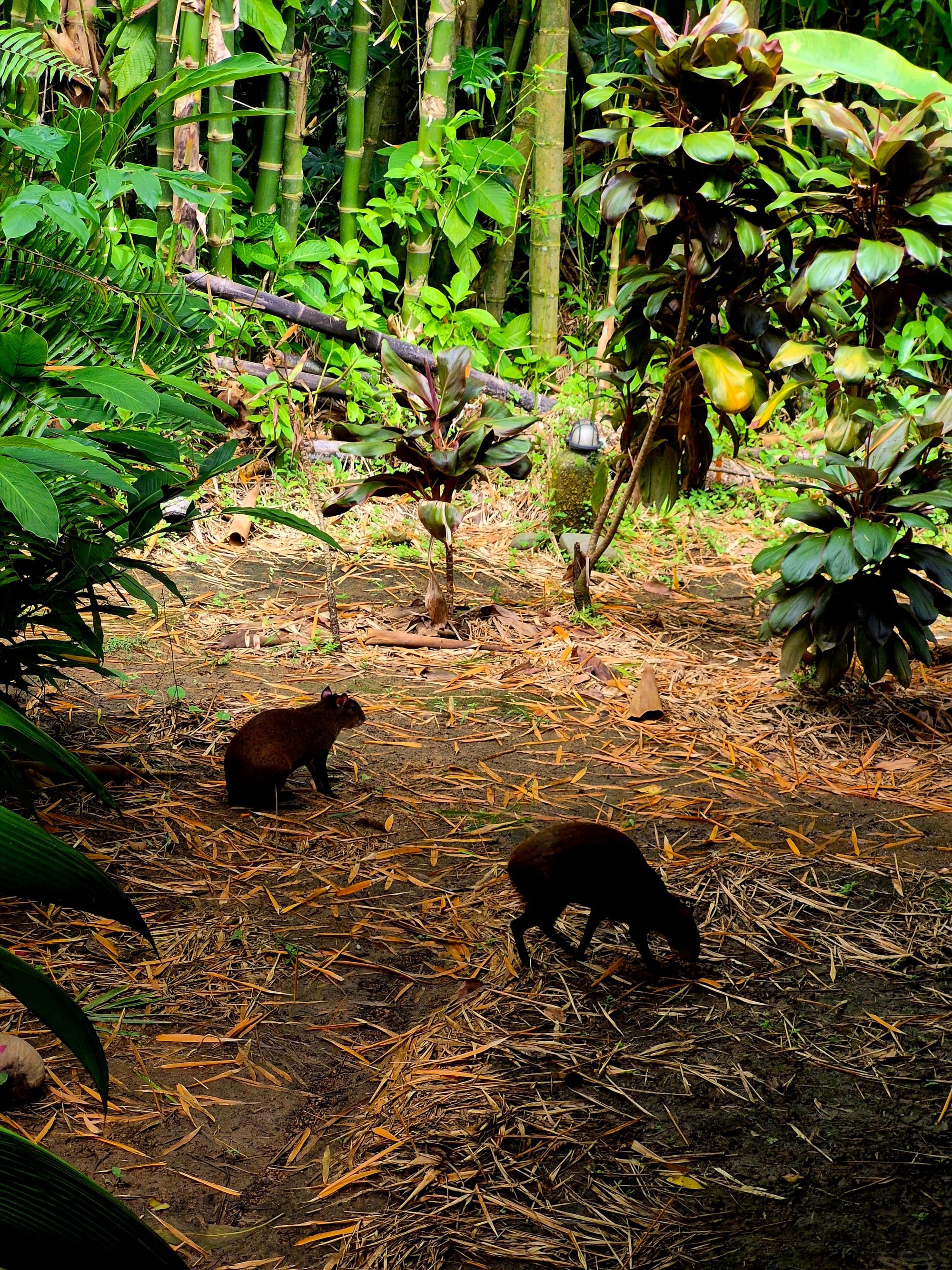
Walking from our bungalow to the dining room, we counted around ten poison dart frogs along the path — vivid flashes of colour against the wet leaf litter. Large rodents, agoutis, roamed freely around the grounds, completely unfazed by people. It reinforced the feeling that this wasn’t a resort pretending to be close to nature — it was genuinely part of it.
The food was poor, but strangely that didn’t matter much. What stayed with me was the sense that we were actually living in the jungle, not visiting it. At one point I watched the gardener trimming shrubs with a machete — efficient, unhurried, and entirely normal here. It struck me how different everyday life becomes once you step outside familiar systems. That night, the jungle never really went quiet.
Day 4 – Rain, Rivers, and Adjusting Expectations
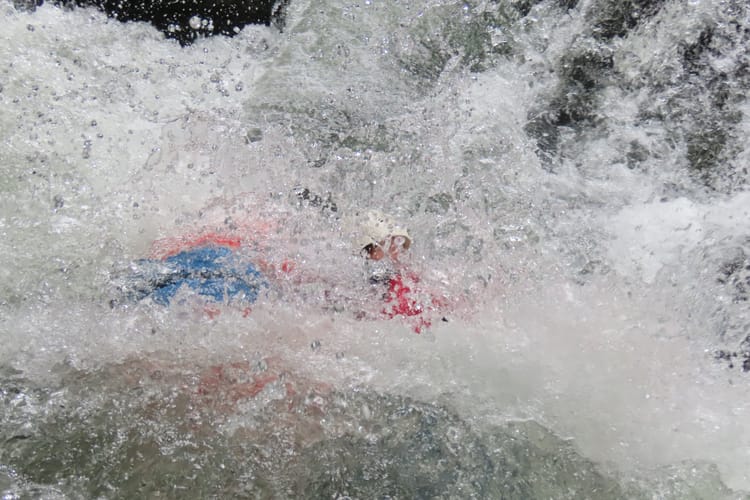
Day four began with heavy rain and grey skies. We had breakfast and waited for our 10:20 a.m. pickup, already suspecting the weather would dictate the day. Out at sea, a storm was rolling through. The sea kayaking portion of our tour was cancelled, and instead we doubled up on the Uva River section — in the pouring rain.
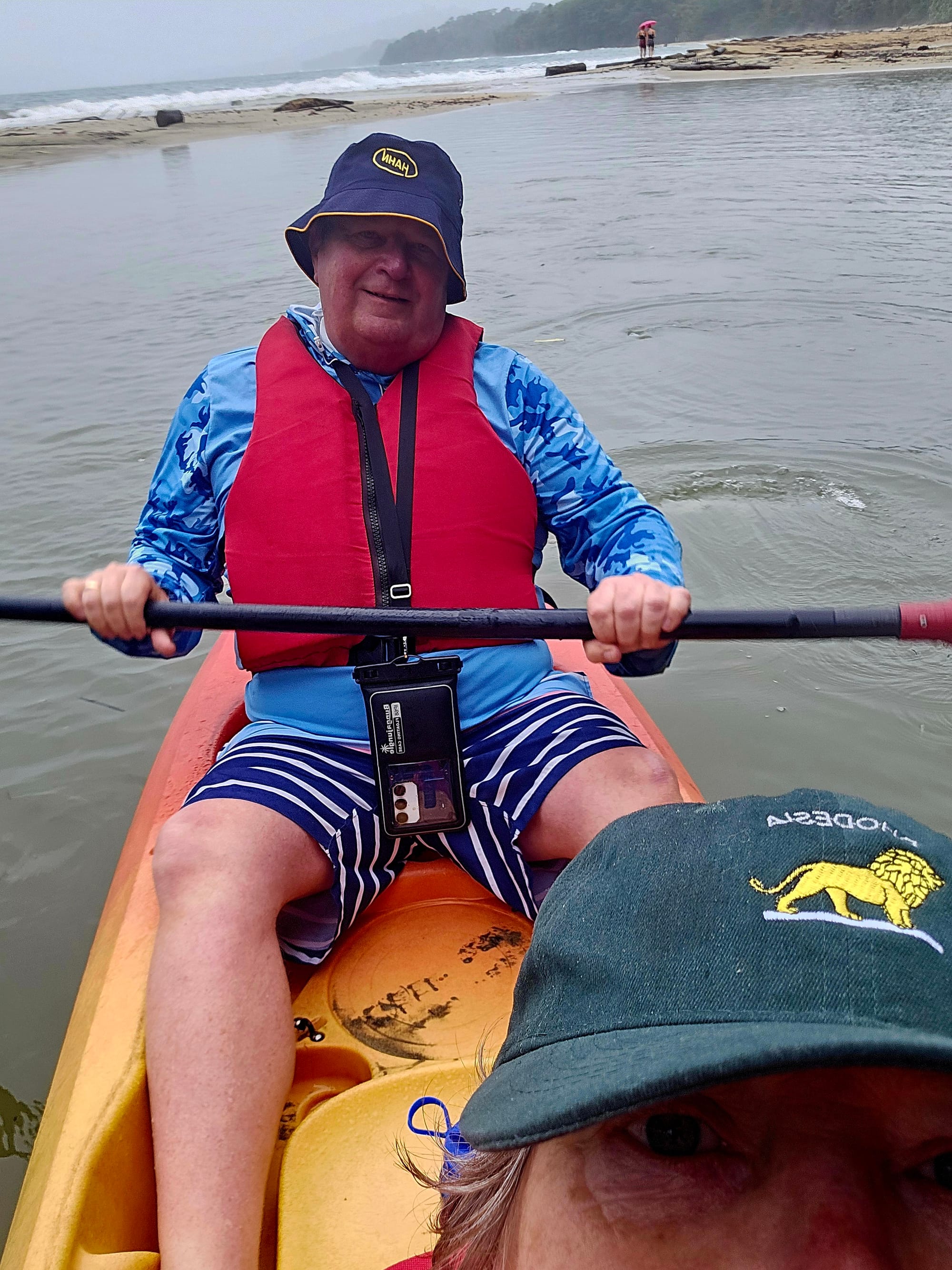
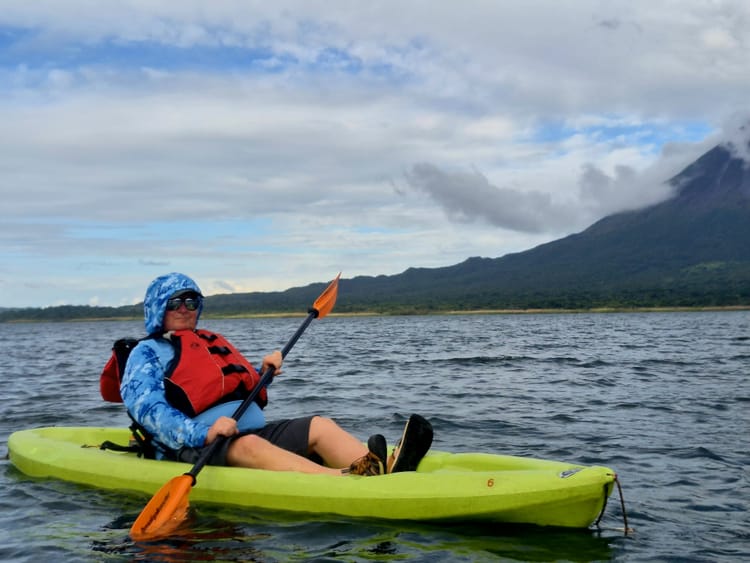
It turned out to be a blessing in disguise. The river paddle was gentle and unhurried, ideal for Colleen to hone her skills ahead of sea kayaking later in the trip. The rain muted everything. Wildlife sightings were fewer, but we still saw three sloths, several kingfishers, and a turtle slipping quietly into the water.
Where the canopy closed overhead, the paddle became almost meditative. Rain tapping leaves, water sliding past the kayak, no urgency anywhere. I continue to find sitting in a kayak deeply uncomfortable — hips, lower back, the lot — but I’m stubborn and refuse to give up. Some lessons take longer to sink in.
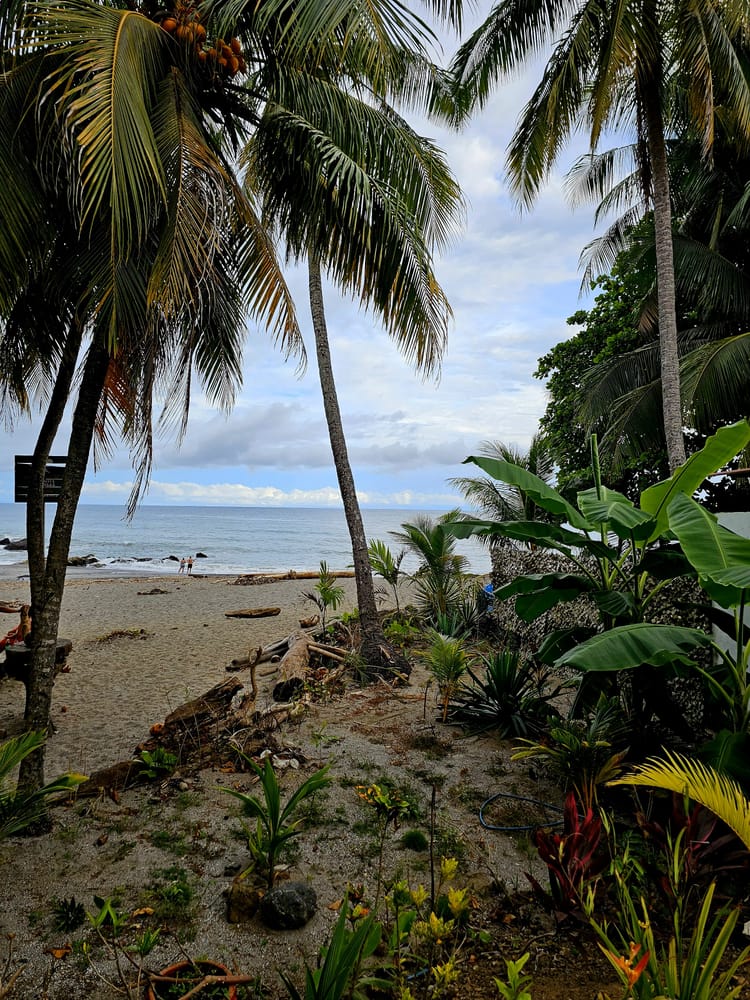
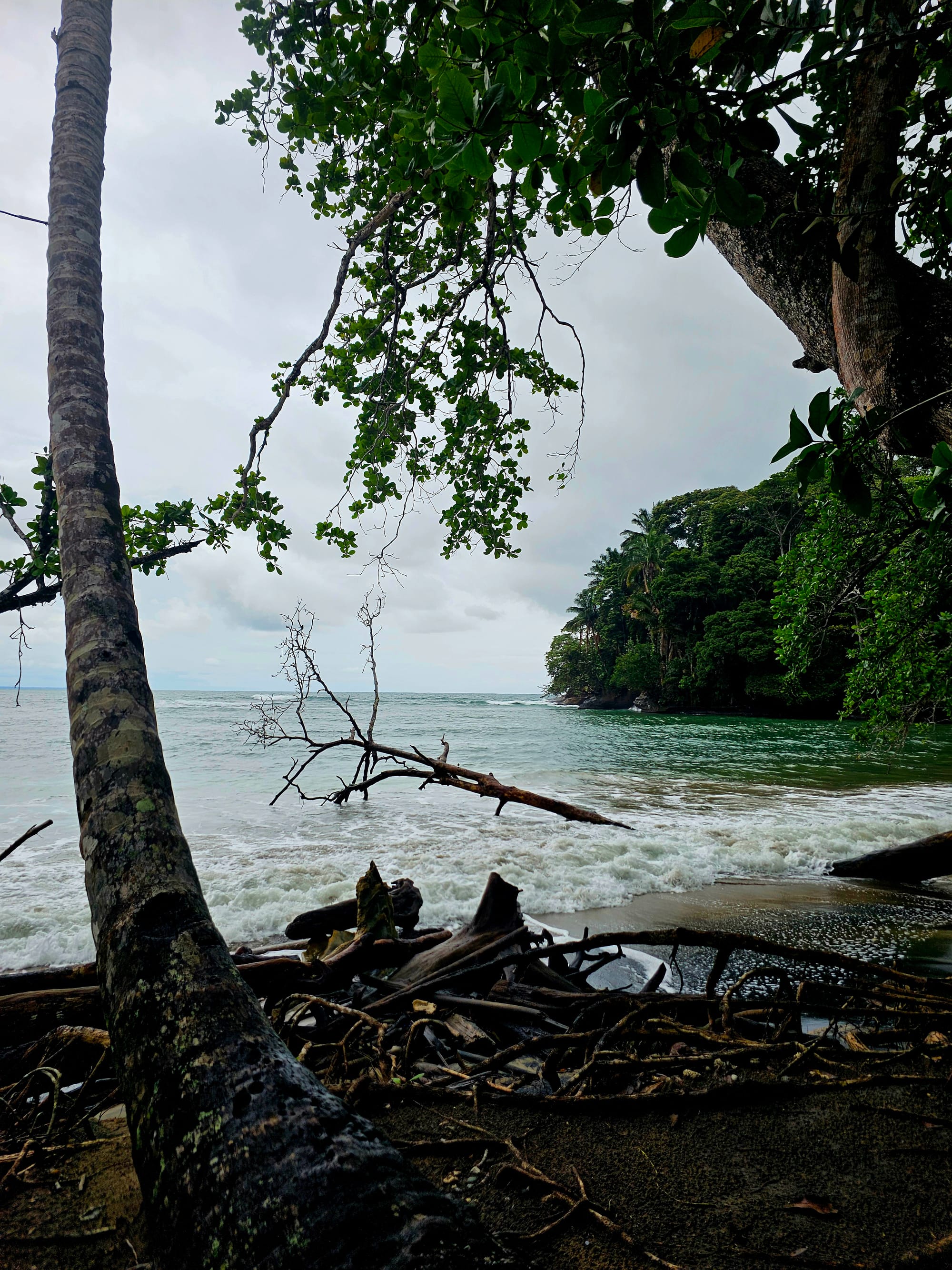
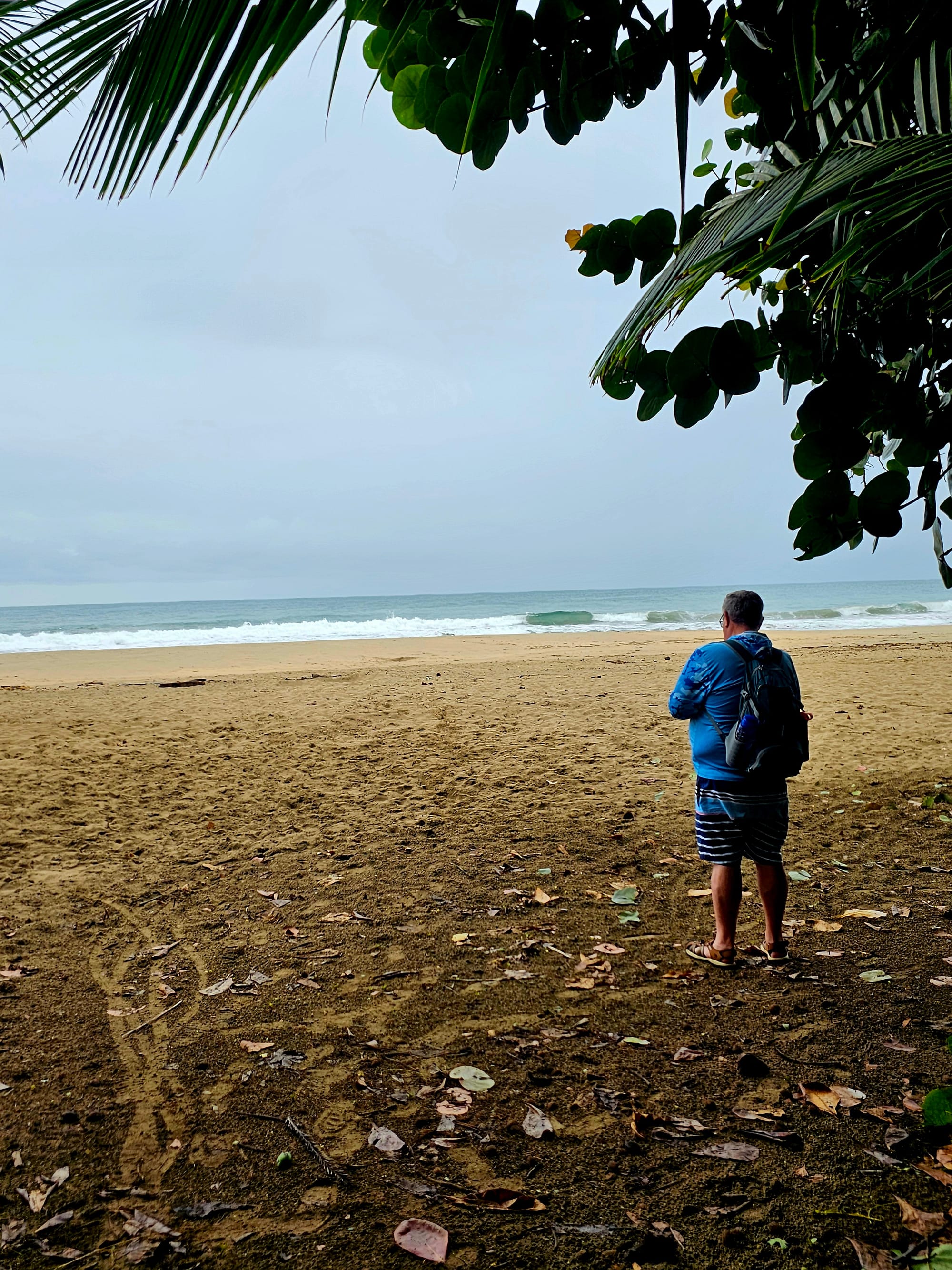
After the paddle, we did a short beach hike to the top of a small peninsula with sweeping ocean views. We encountered a troop of howler monkeys and spent about half an hour watching them feed and move through the trees. Two more sloths appeared, one of them in a tree right in the car park, offering the best and clearest view of the day. It wasn’t the most spectacular day, but it was the best we could do with the weather we were given.
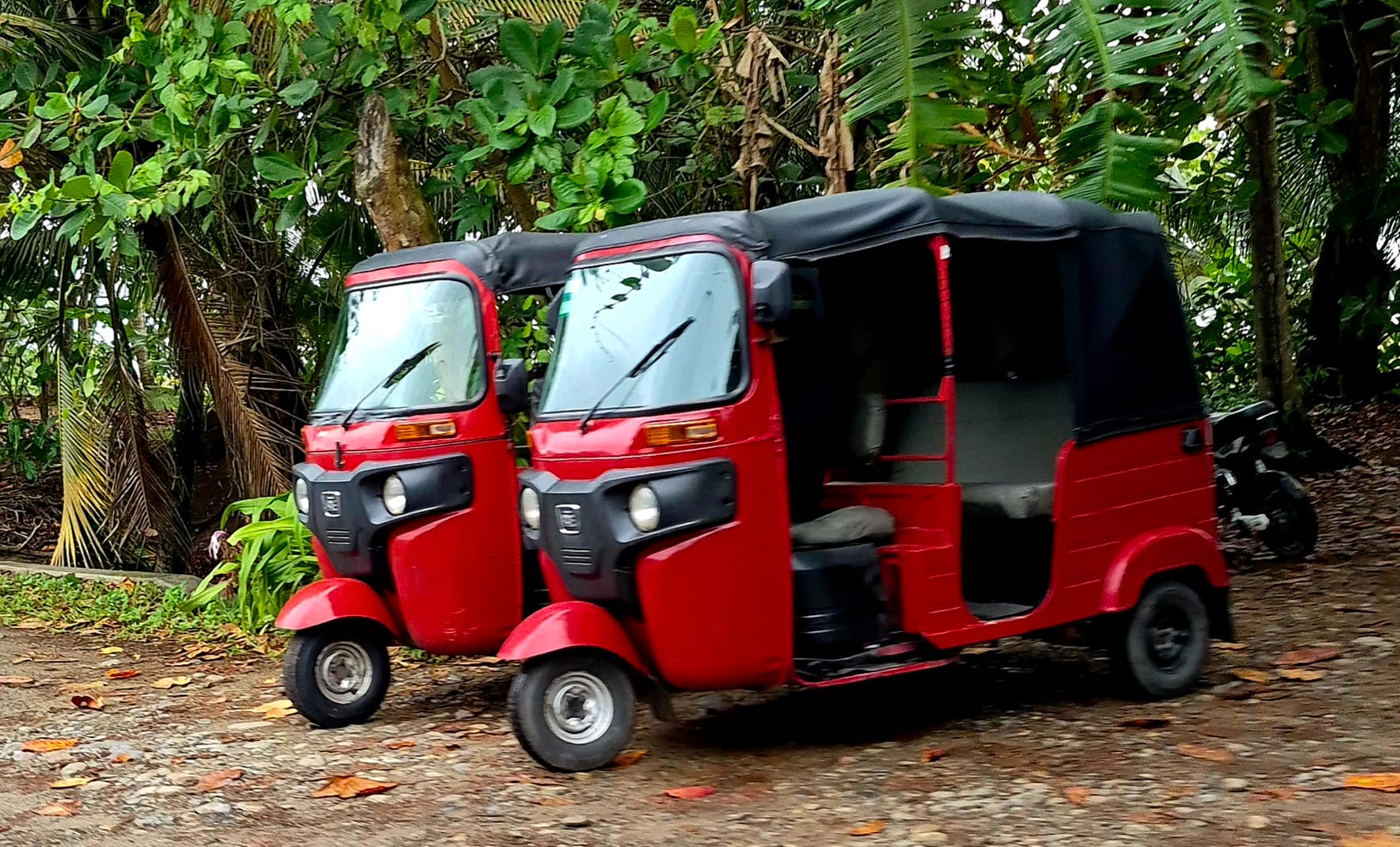
Back at the bungalows, we grabbed a quick shower before heading into town by tuk-tuk to buy reading glasses for Colleen. We met Karina Morales, the local pharmacist, who was incredibly helpful. We picked up: reading glasses, antifungal cream and sunscreen.
That antifungal cream turned out to be essential. Clothes stay wet. Shoes stay damp. Skin doesn’t love that. I developed raging jock itch, and blisters from new sandals added insult to injury. Two hard-earned lessons: break in footwear before you travel and pack antifungal cream. Both are now firmly on the essentials list.
Days 3 and 4 were about adjustment. After the intensity of San José and the Pacuare River, the Caribbean side slowed everything down — not by choice, but by force. Rain reshaped plans. Jungle living demanded adaptation. Comfort took a back seat to immersion. It wasn’t perfect. It wasn’t polished. But Costa Rica doesn’t perform on demand. Sometimes it teaches you how to live inside its rhythms instead.
And that, in its own way, is part of the adventure.
If you’re planning a trip, I keep the booking tools I actually use at https://www.traveladventurescurated.com/about/
Disclosure
This site contains affiliate links. If you book through them, I may earn a commission at no extra cost to you. Thanks for supporting the site.