Costa Rica Days 1–2: San José Streets and Whitewater on the Pacuare River
If you’re planning a trip, I keep the booking tools I actually use at https://www.traveladventurescurated.com/about/
Day 1 – Arrival in San José
We met our driver, Adrian, at the airport for a private transfer into San José. From the first few minutes it was obvious he genuinely loved his job. He pointed out landmarks as we drove, talked about Costa Rica with enthusiasm, and did a great job of building anticipation for what lay ahead.
We tipped him $20 USD, exchanged contact details, and before long he had even connected me with Francisco — a soda owner and fisherman on the coast — for fresh seafood and a possible fishing trip later in the journey. That ease of connection would become a recurring theme.
We stayed at the Sleep Inn, which turned out to be a solid, practical choice. Comfortable rooms, central location, and direct access to the Central Casino on the same property with controlled entry. Secure and functional, though definitely not quiet.
Dinner was at Magnolia Restaurant inside the casino. I ordered a full-flavored local pilsner, Pilsen, while Colleen went with a passion-fruit daiquiri she described as excellent. Food-wise, I had a classic Casado Típico and Colleen chose Pintos de Lomo. Both were well presented and genuinely good.
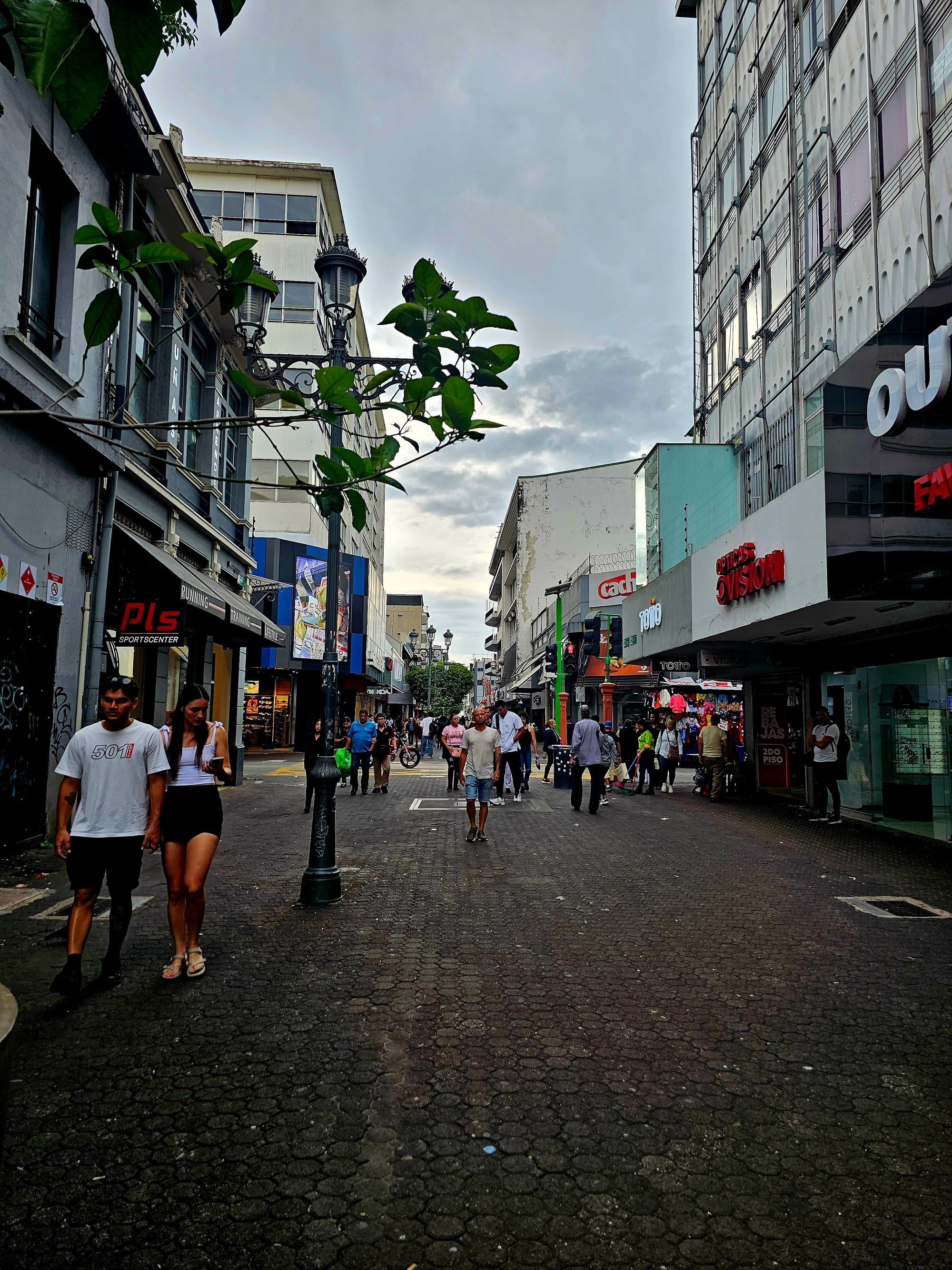
After dinner we walked the pedestrian mall to get a feel for the city. San José hits you fast. The energy is intense — traffic everywhere, people moving with purpose, loud, gritty, and visibly dirty in places. Hawkers, street performers, and peddlers compete for attention. We asked local police for directions to Mercado Central; they were friendly and helpful but warned Colleen not to wear her gold necklace as it could attract unwanted attention.
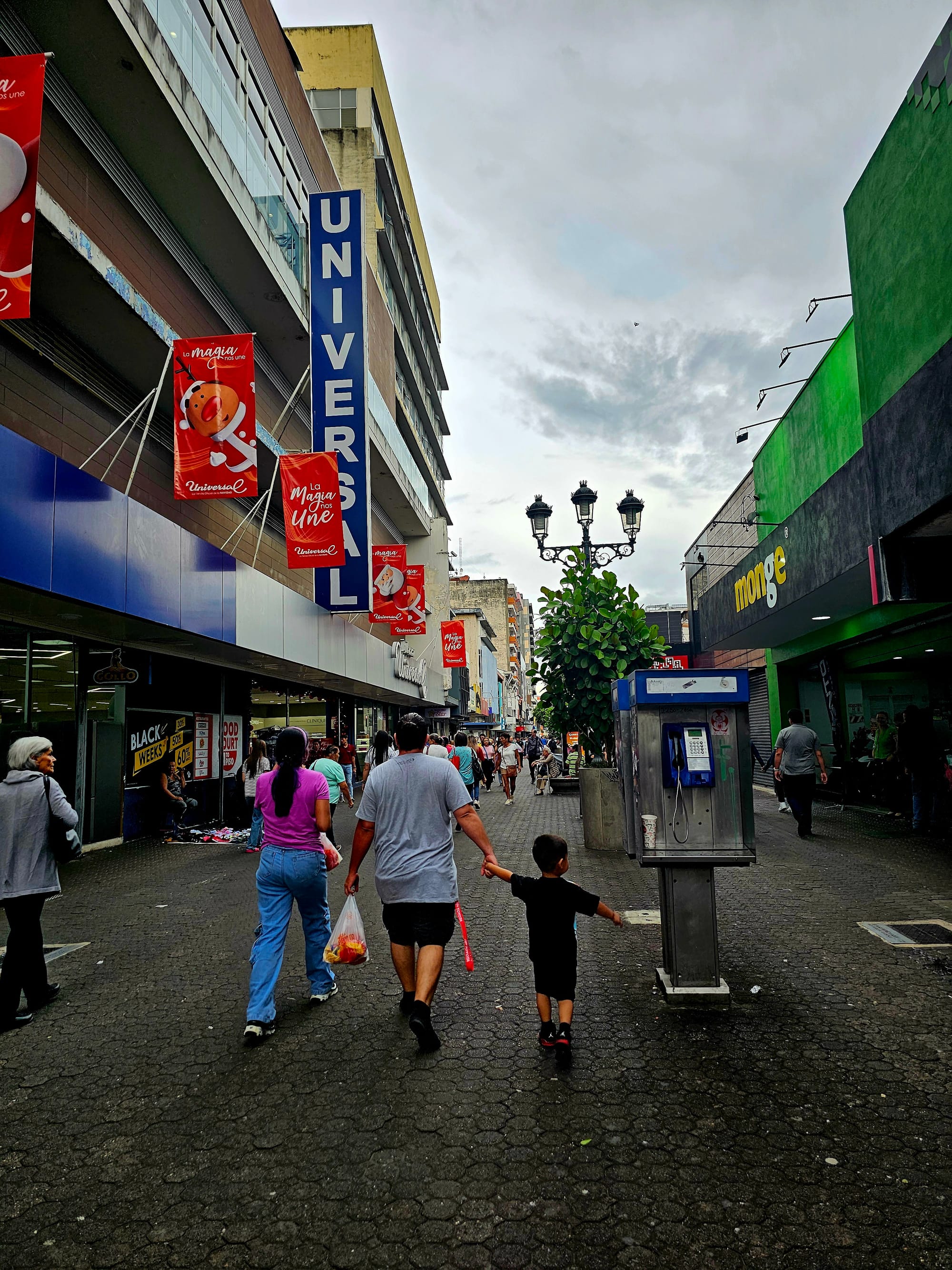
Mercado Central itself was chaotic but welcoming. You could buy almost anything — meat, clothing, shoes, vegetables, toys — and the small sodas were packed with locals. We stopped for a juice and a savory pastry and soaked in the atmosphere. My overall impression of San José was mixed. Loud, frenetic, and dirty in places. Traffic is wild and people always seem in a hurry. Back at the hotel, street noise carried well into the night. Earplugs would have helped.
We turned in early. A 6 a.m. pickup awaited us for whitewater rafting. We also met Gabrielle, a fellow traveler from Switzerland, and ended the evening swapping travel — and fishing — stories.
Day 2 – Whitewater on the Pacuare River
Day two started early and didn’t let up. We were collected at 6 a.m. and began the long drive toward the Pacuare River — close to four hours of winding roads and changing scenery.
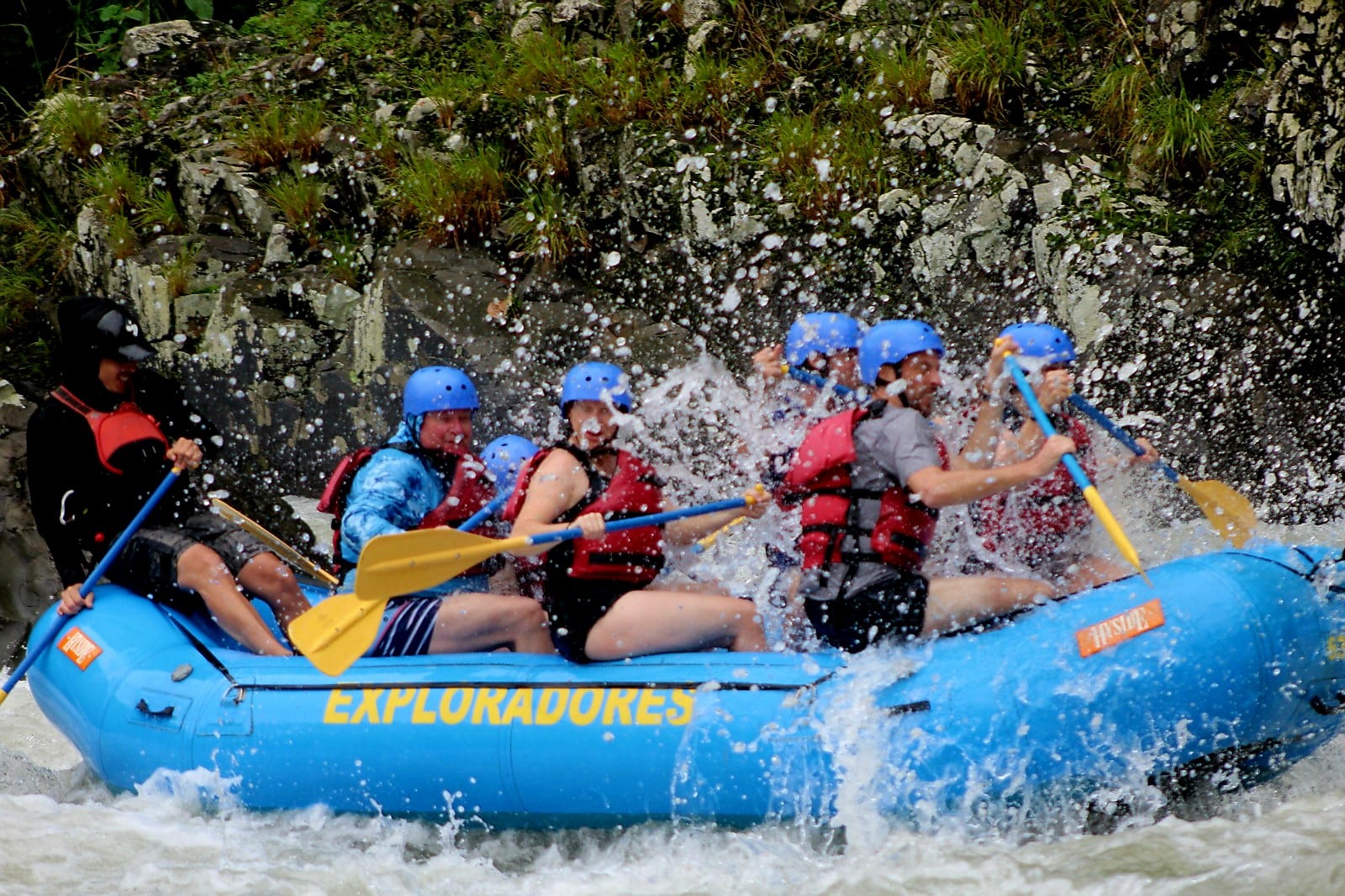
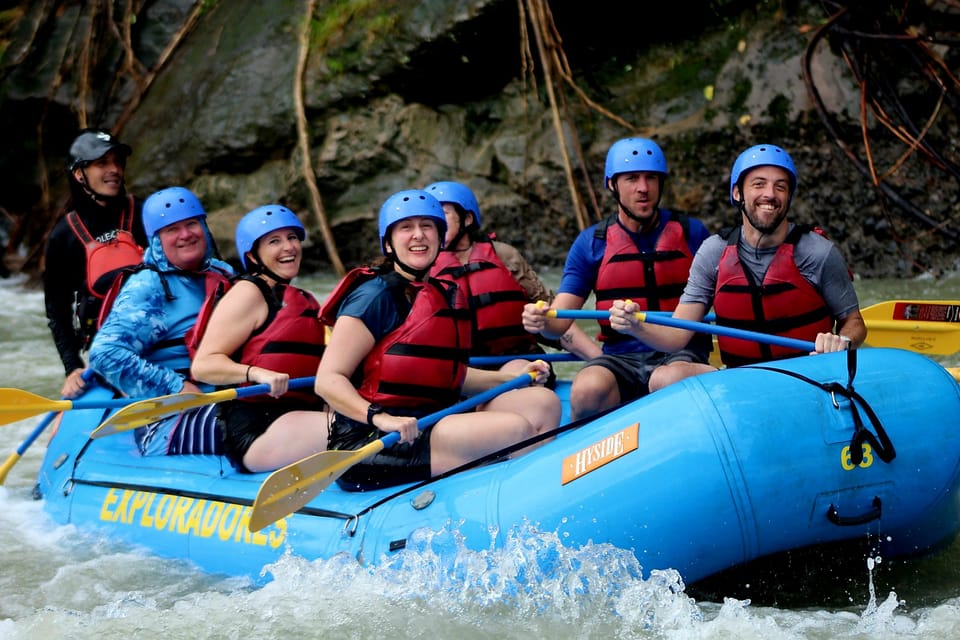
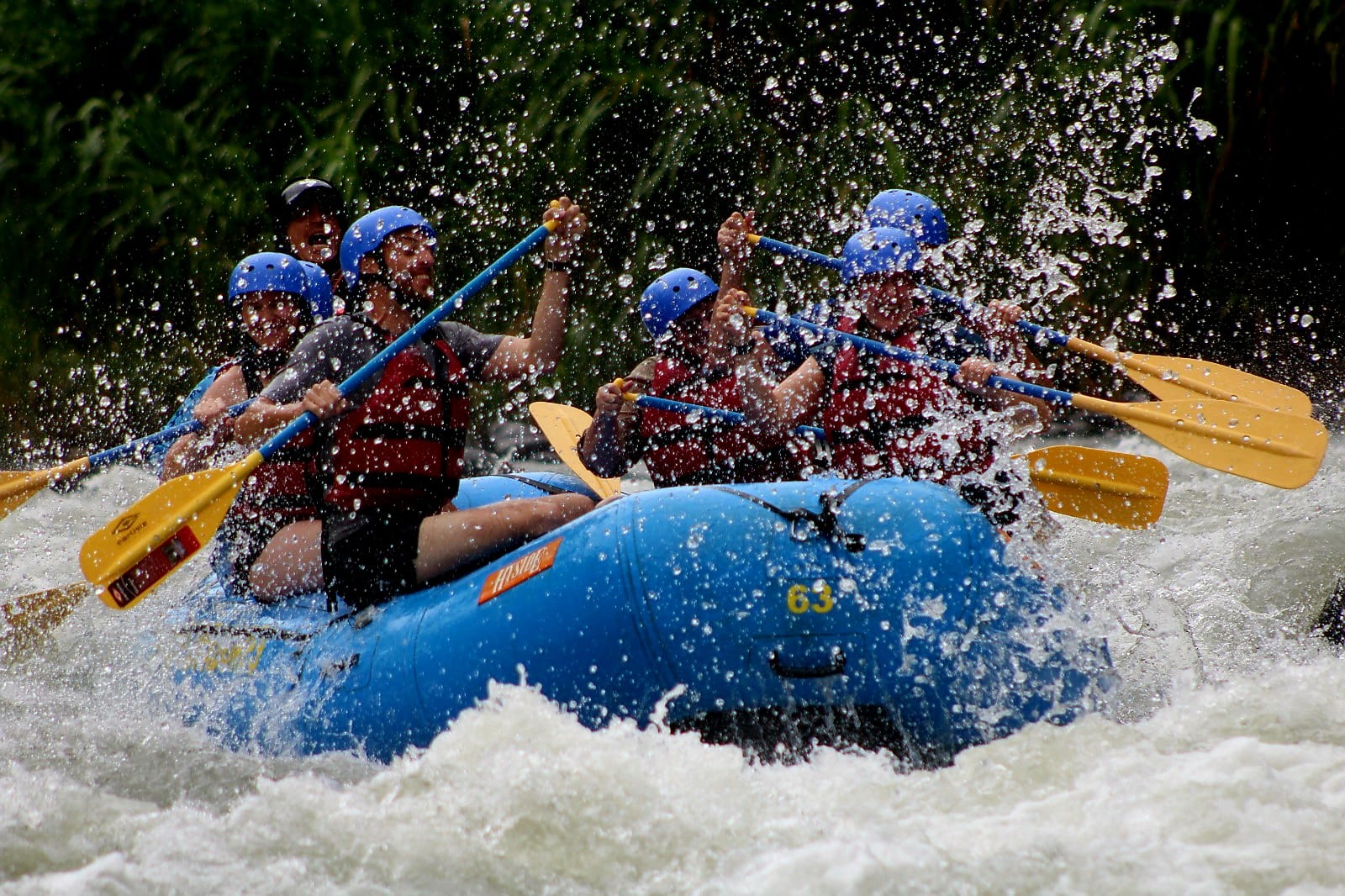
Our guide was Roberto — “Rob” for tourists — a professional kayaker who had competed internationally. On the river, that background was immediately apparent. Instructions were short, calm, and uncompromising: forward paddle, back paddle, stop being tourists and paddle. When we got it right, it was followed by a quick well-done team. Boat positioning was critical. Being on the correct line meant the difference between powering through and getting punished.
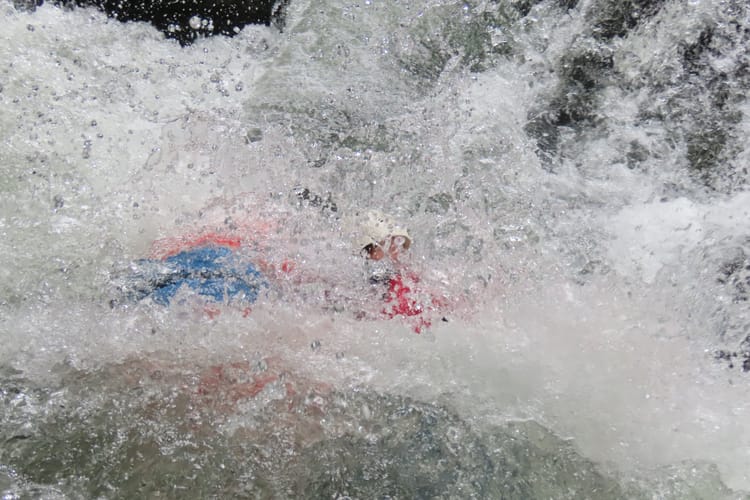
Before launching, we signed waivers. This wasn’t ceremonial. The Pacuare is serious water. After breakfast, we pushed off into what would become an 18-mile descent through one of Costa Rica’s most demanding rivers, featuring more than 50 rapids, predominantly Class III and IV. Rapids carried names earned over years of guiding — sections like Double Drop and Pinball demanded full commitment from everyone in the raft.
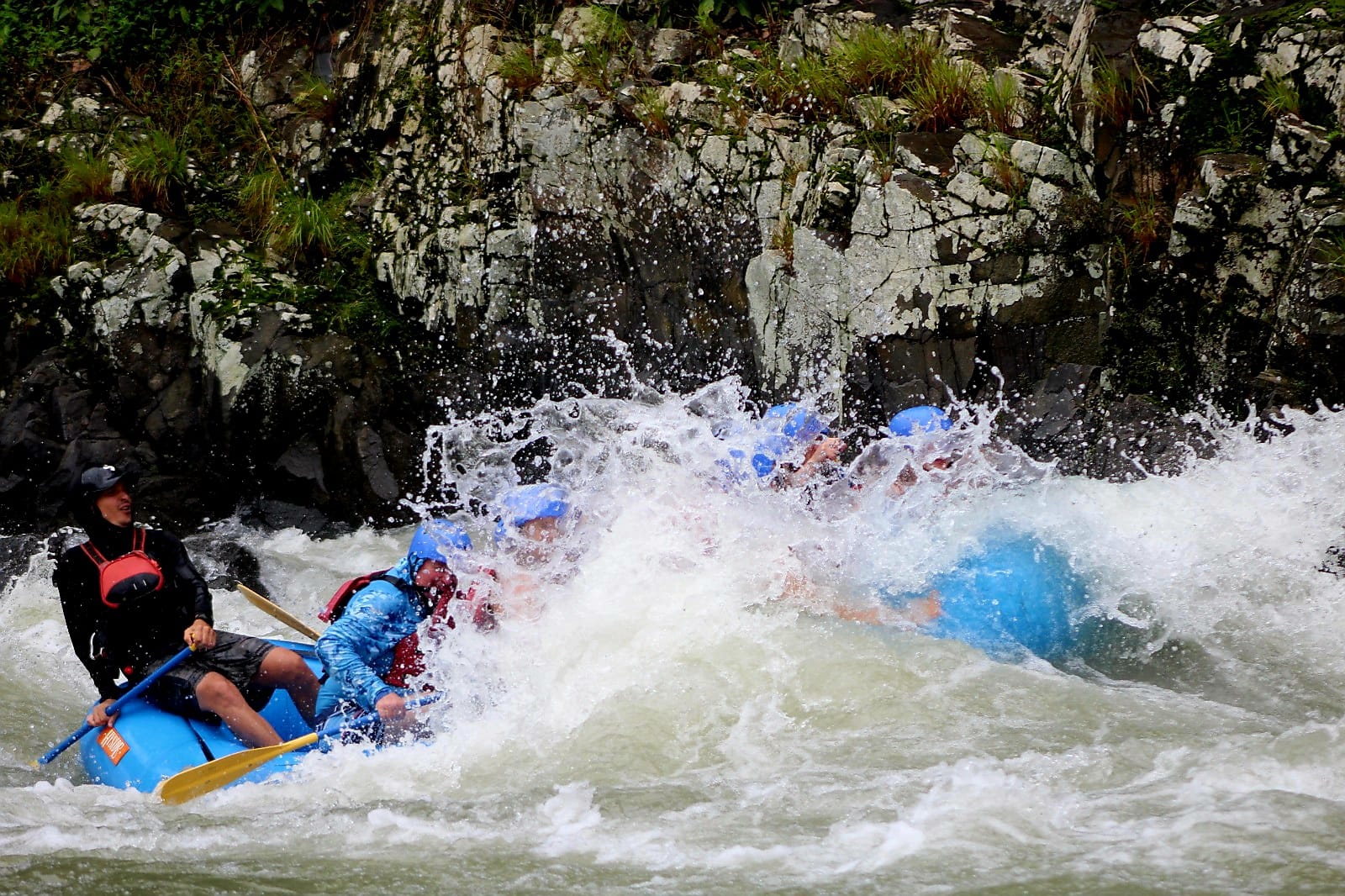
Between rapids, Rob pointed out rock landmarks carved into the gorge and named by guides over time. Two that stuck were Baboon and Moose — odd, unmistakable shapes used as visual cues when lining up for what lay downstream.
Recent rain had the river high and fast. This was not a passive float. Everyone was expected to pull their weight. Paddling wasn’t optional, and timing mattered. Periods of frantic, coordinated effort through heavy water were followed by quieter stretches where you caught your breath, scanned the jungle, and braced for the next call.
Rob made sure the experience was shared evenly. More than once he deliberately angled the raft broadside to the waves, so no one escaped getting soaked — not that it mattered. It was raining steadily, humidity was relentless, and staying dry was never on the cards.
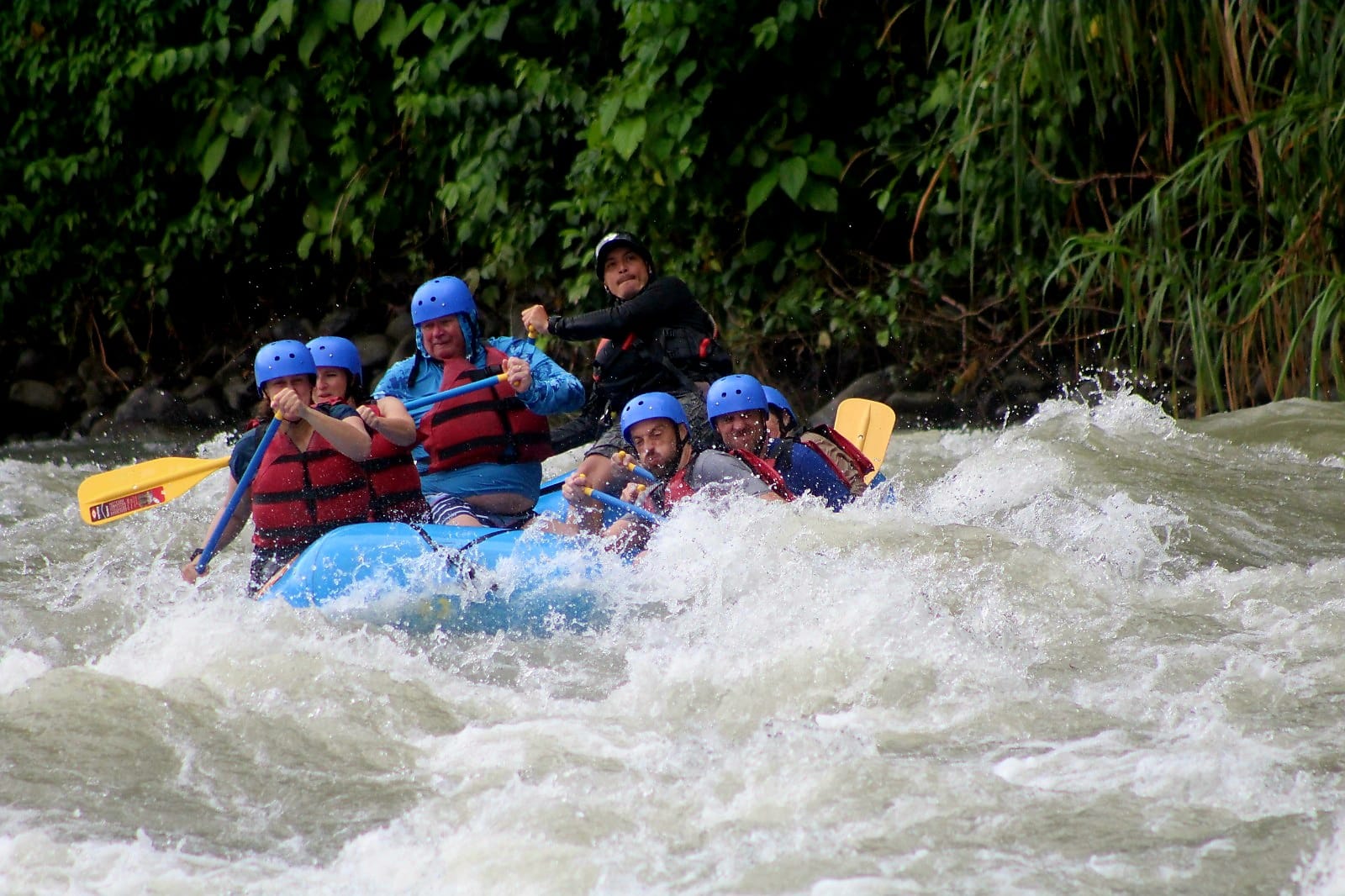
Once we’d cleared one of the major sections, we were invited to jump out of the raft and swim — almost a rite of passage. That’s where things went sideways for me. Getting back in was anything but graceful. The current, the height of the raft, and my coordination didn’t line up. Rob grabbed me by the lifejacket straps and hauled me back in arse over tit, just as the raft flexed hard in the current. Momentum carried me clean across the raft and straight into Colleen on the opposite side. She took the full impact — bruised, sore, and thoroughly unimpressed. Funny later. Not so much at the time.
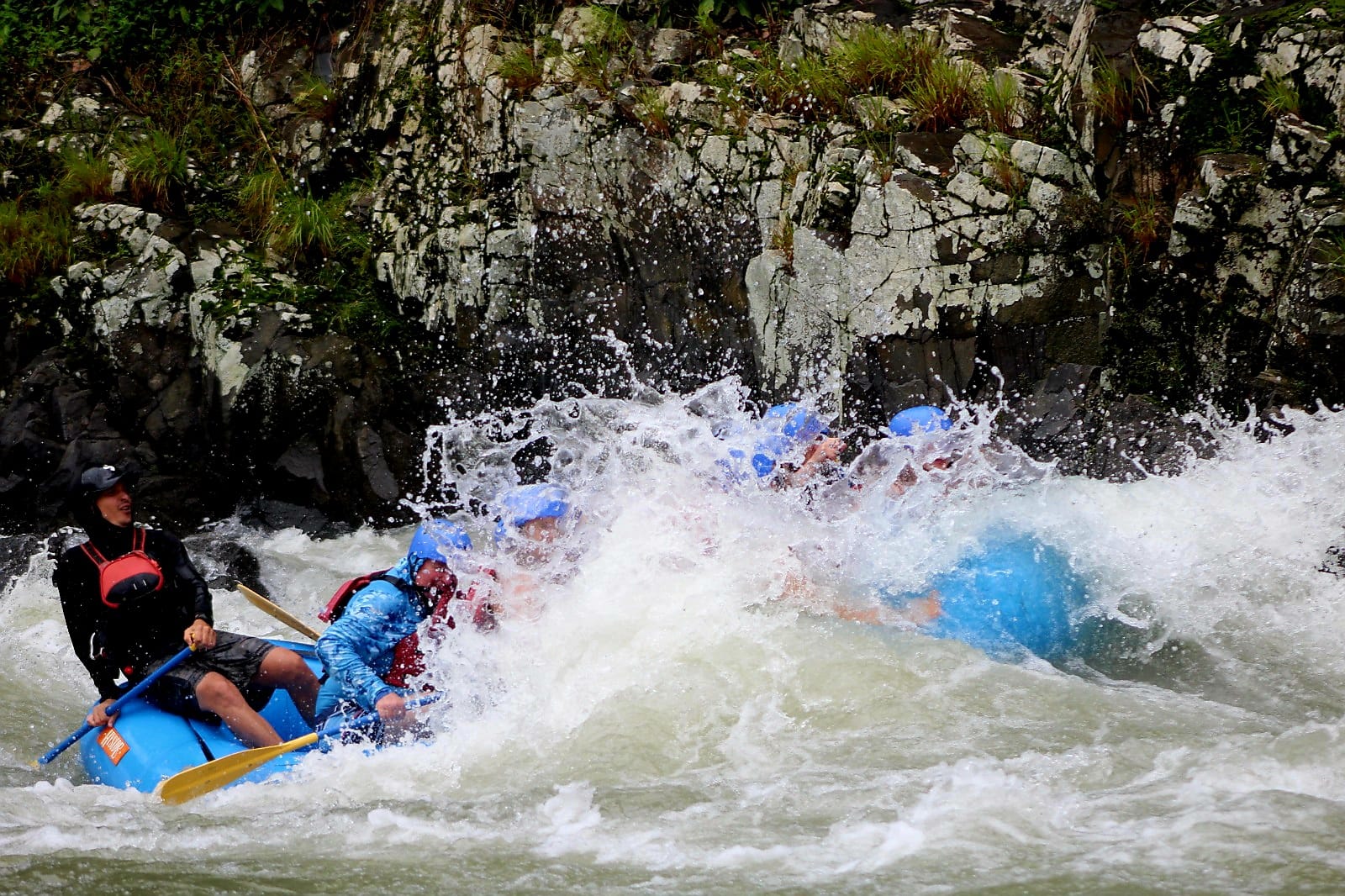
The drama wasn’t isolated. At another point, Matthew from London was nearly thrown clear, saved only when Emily from Idaho lunged and dragged him back in at the last second. High fives with paddles followed tough sections as we realized we’d just pulled through another demanding sequence together.
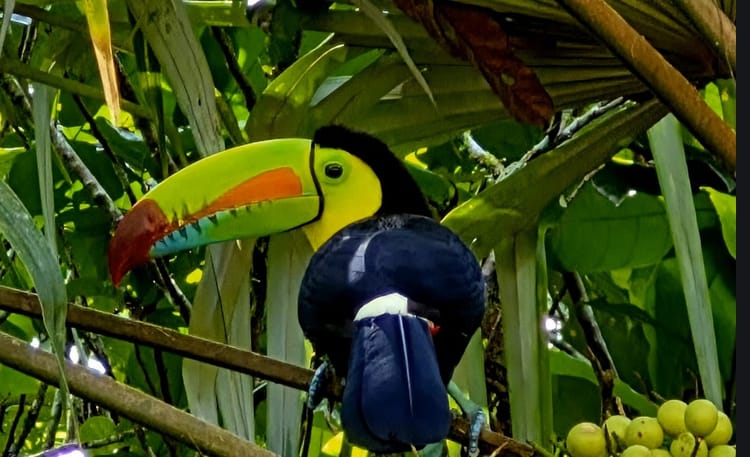
Between the chaos, the jungle revealed itself. Two purple morpho butterflies drifted past early in the day — Rob smiled and said it was a sign of good luck. Wildlife sightings were constant: giant egrets, tiger herons, toucans, sloths clinging to the canopy, and waterfalls spilling fine mist into the gorge.
Once through the heaviest water, we jumped back into the river and floated. Cool, calm, and strangely peaceful after the intensity — a brief reset before the final push downstream.
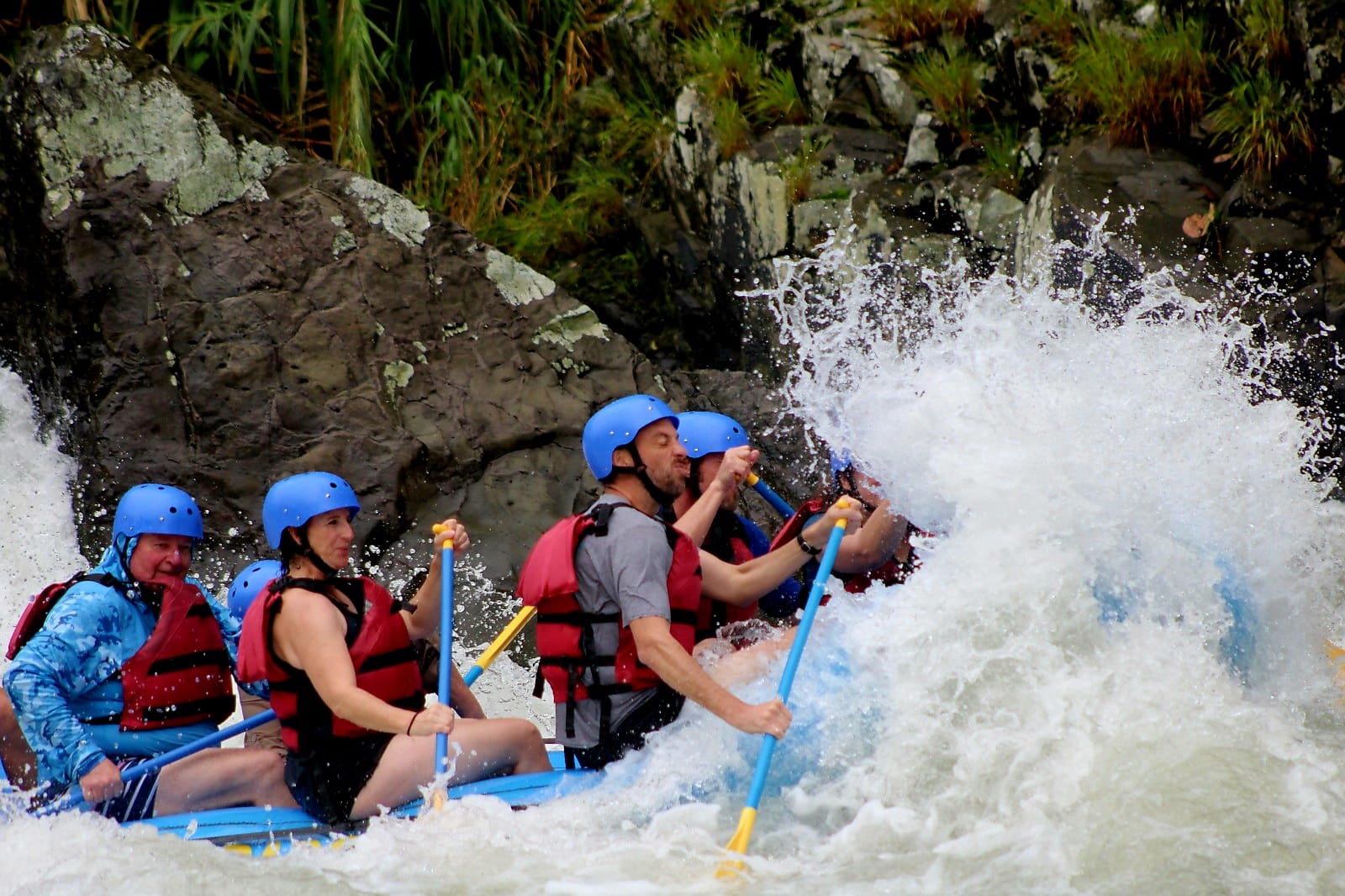
The day ended back at the rafting warehouse with lunch — chicken, rice, tortillas, beans, salad — and a well-earned beer. We paid $32 USD for a flash drive of photos taken by one of the crew who followed the group in a kayak, capturing effort, exhaustion, and moments frozen mid-impact.
From there, it was another three-hour drive east to Puerto Viejo on the Caribbean coast. We arrived tired, damp, bruised in places, and completely satisfied.
The contrast between San José and the Pacuare River couldn’t have been sharper. One is noisy, gritty, and relentless. The other is wild, physical, and uncompromising. Whitewater rafting on the Pacuare is not a theme-park thrill. It’s demanding, technical, and occasionally chaotic. You sign a waiver for a reason. You need your wits about you. And you need to work — constantly — as part of a team.
Those first two days set the tone for everything that followed in Costa Rica: effort rewarded, nature unapologetic, and experiences that don’t flatter you — but stay with you long after the bruises fade.
If you’re planning a trip, I keep the booking tools I actually use at https://www.traveladventurescurated.com/about/
Disclosure
This site contains affiliate links. If you book through them, I may earn a commission at no extra cost to you. Thanks for supporting the site.