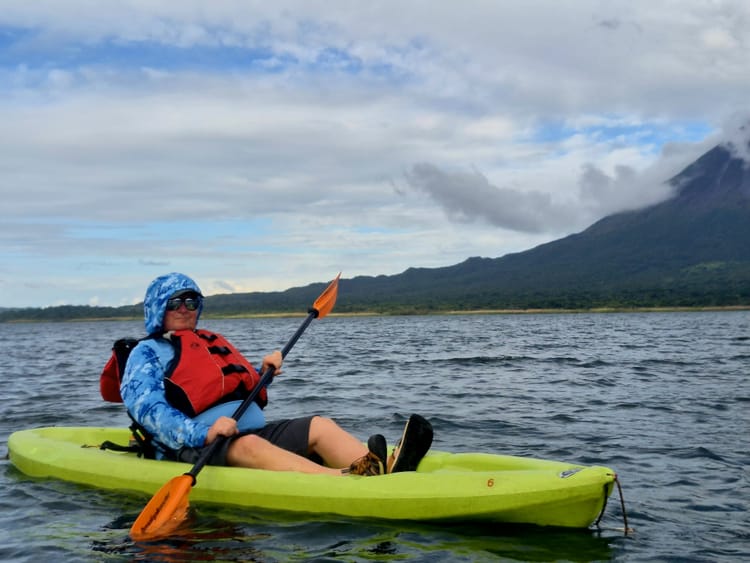
Costa Rica Day 8–10: Sarapiquí River Wildlife, Machaca Fishing & a Toucan at Our Door
If you’re planning a trip, I keep the booking tools I actually use at https://www.traveladventurescurated.com/about/
Day 8: Night Walk and Suspension Bridgesa
We were staying at Tirimbina Lodge, set deep in rainforest along the Sarapiquí River. The surroundings were genuinely beautiful — dense vegetation, constant bird calls, and a feeling of being properly immersed in the jungle.
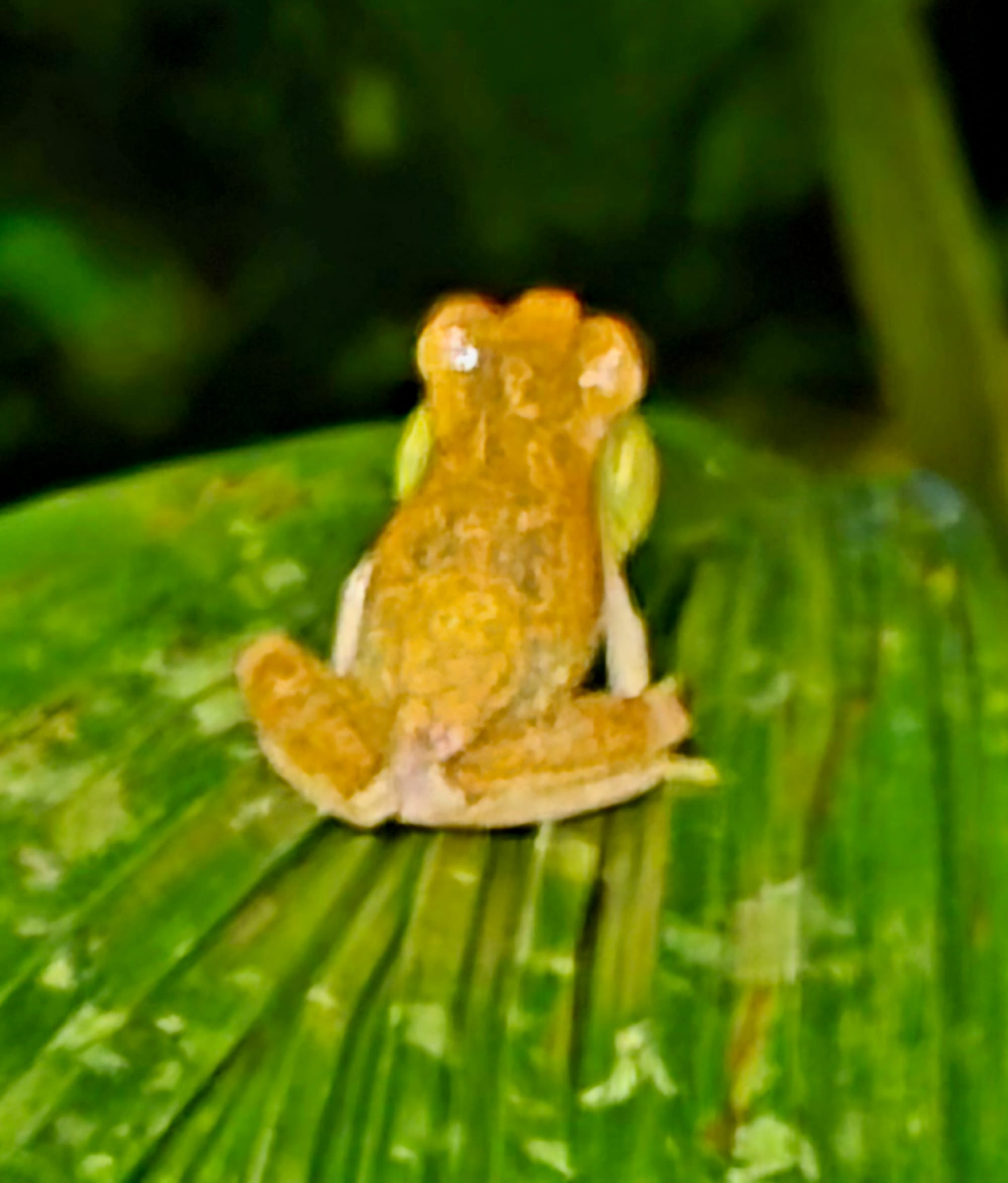
That evening we joined a guided night walk around the Tirimbina reserve. Sightings were fewer than expected, but the experience itself was still worthwhile — rainforest nights are as much about atmosphere and learning as they are about wildlife counts. We saw a handful of frogs and several spiders, including small tarantulas positioned high on tree trunks. One of these tarantulas has reportedly occupied the same spot for around 18 years — remarkable when you learn that some rainforest tarantulas can live close to 20 years.
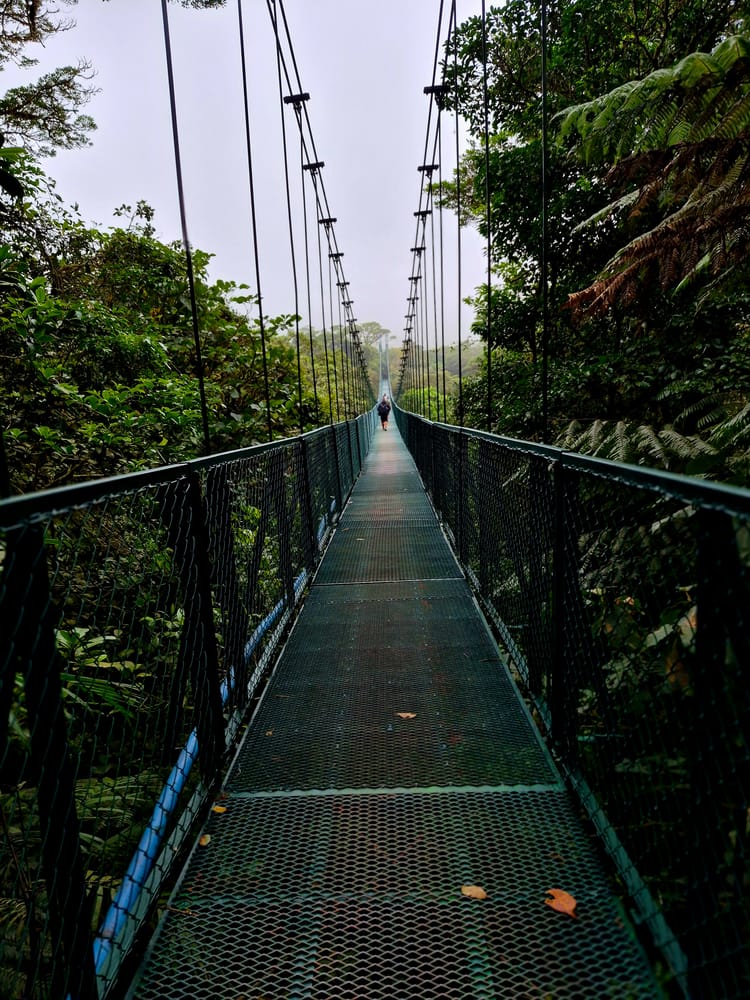
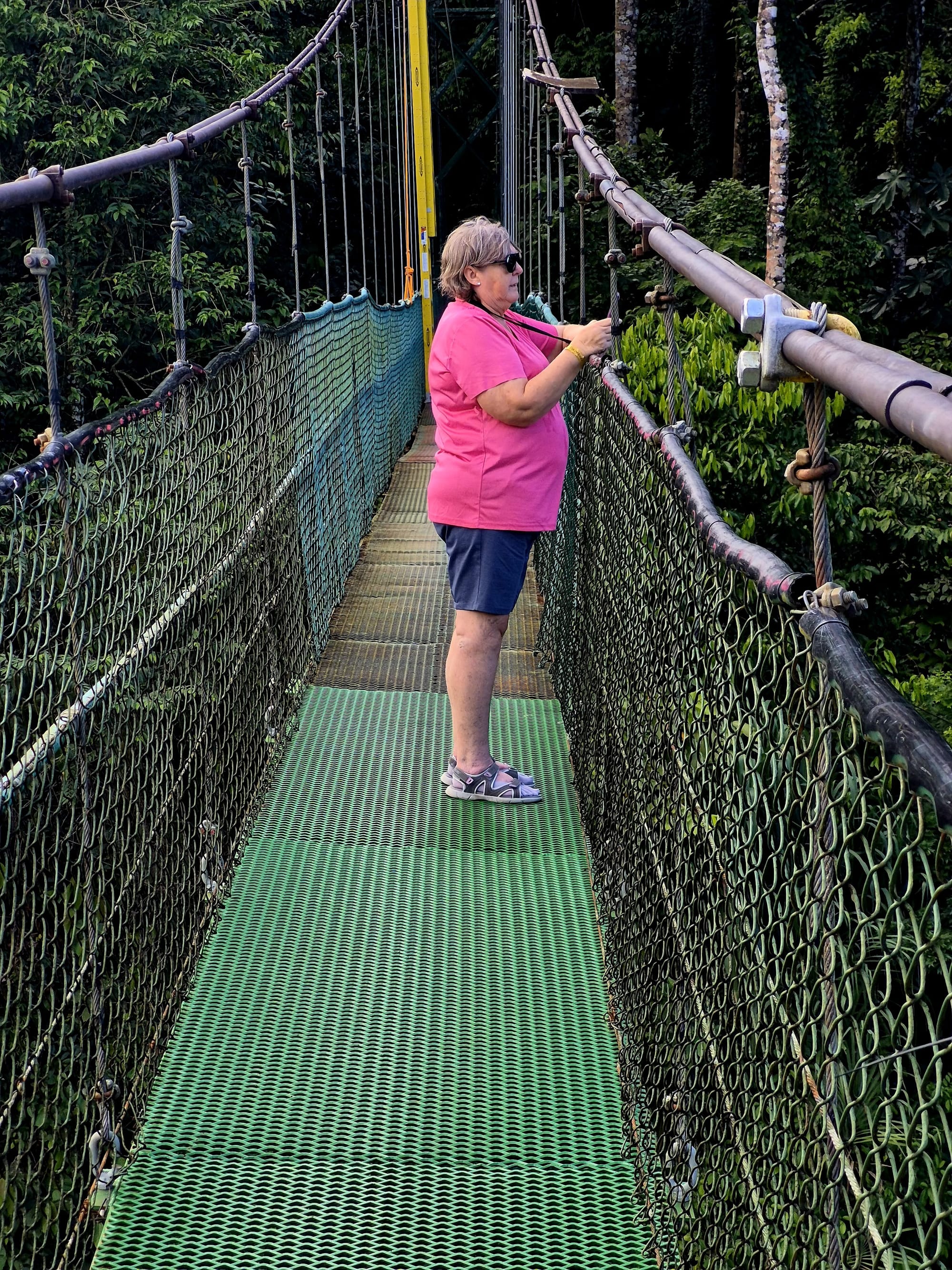
Crossing the 245-metre suspension bridge, the second longest in Costa Rica, was a highlight. The bridge swayed dramatically underfoot, with the Sarapiquí River raging below.
The guide shared a few standout facts, including the role of bats as major nocturnal pollinators. They’re also formidable mosquito controllers, with some species consuming up to 4,000 mosquitoes per night. We also encountered one of Costa Rica’s most dangerous snakes: the Fer-de-lance.
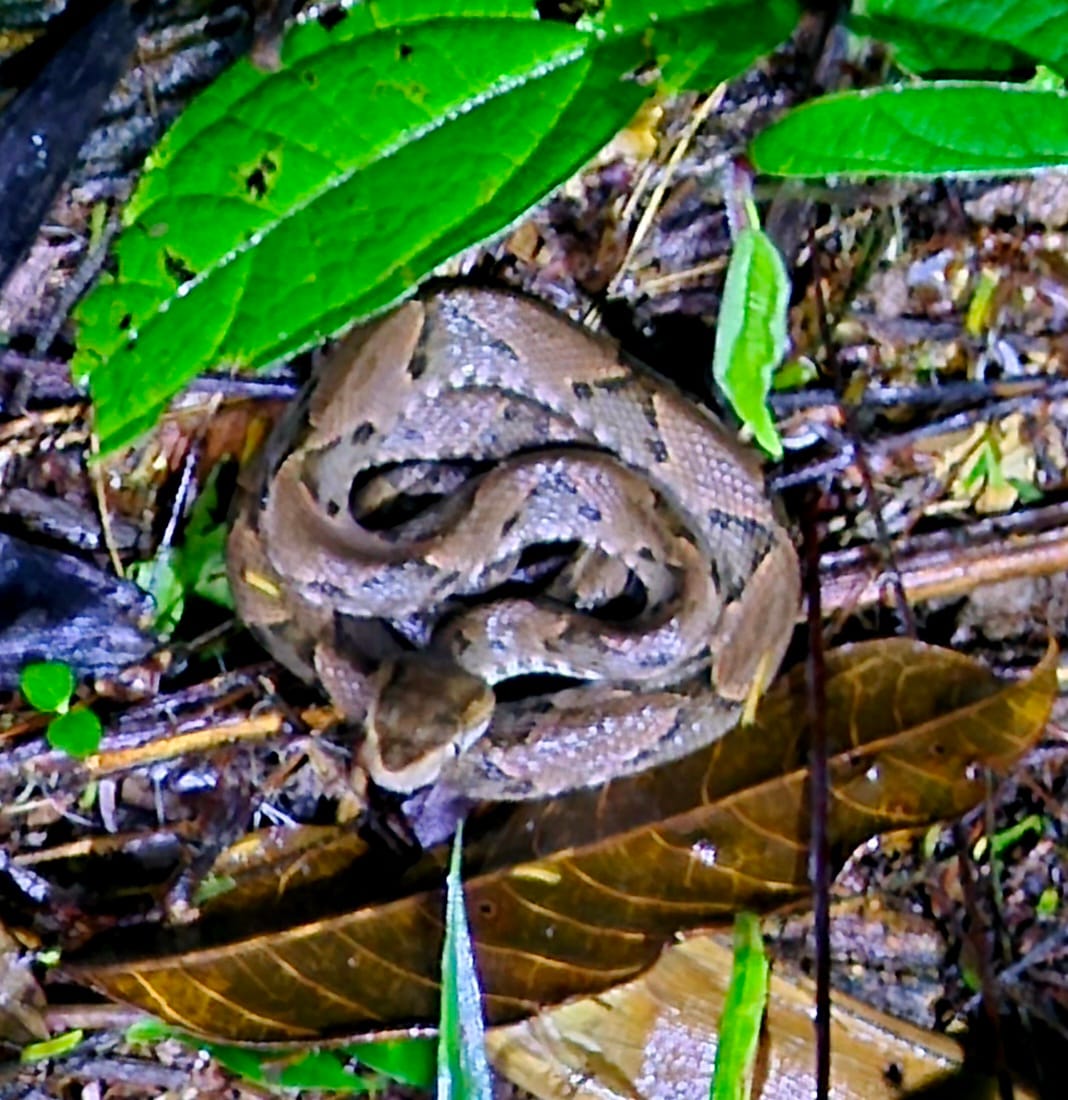
Highly venomous, fast-moving, and known for aggressive defensive behavior, it’s a sobering sight. The species is viviparous and can produce large numbers of offspring. Its venom is hemotoxic and can be fatal without treatment — though antivenom is now widely available at local clinics. It was a strong reminder of why proper hiking boots are non-negotiable in the rainforest.
Earlier in the evening we’d also spotted a massive Green iguana high in the trees. I was surprised to learn they’re primarily leaf-eaters — and that this same species has become invasive in parts of Florida.
One small but memorable detail was the shower setup. The three-tap system was thoroughly confusing: hot water on the left, cold on the right, and the middle tap acting as a diverter. Exactly the opposite of what you’d expect — and a reminder not to assume anything when it comes to eco-lodges and older plumbing in Costa Rica.
Day 9: Sarapiquí River Boat Trip and Wildlife
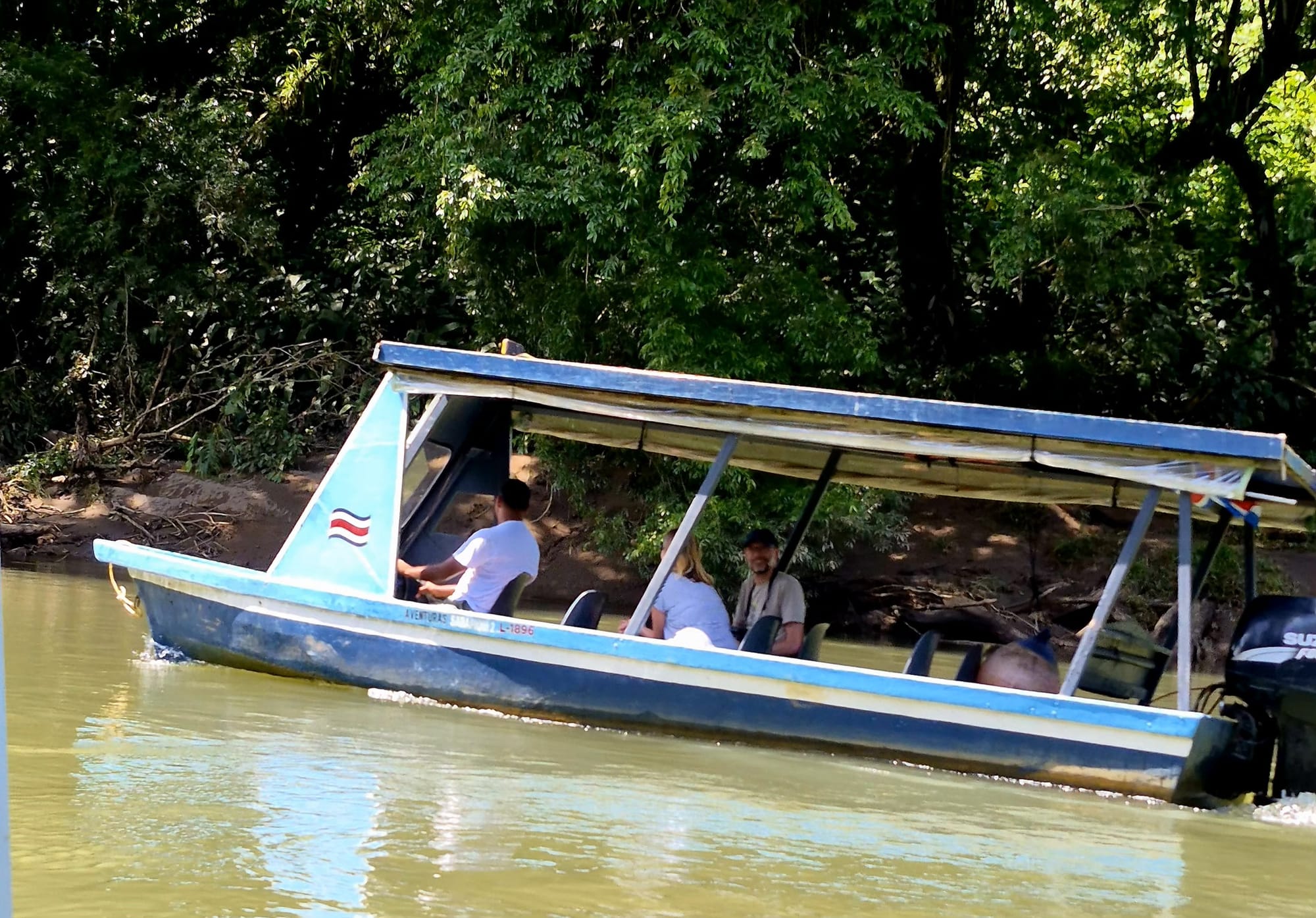
Day 9 delivered one of the most rewarding wildlife experiences of the trip. It was a beautiful, sunny morning — ideal conditions for a boat trip down the Sarapiquí River. The boat was covered, which made the journey comfortable despite the heat.
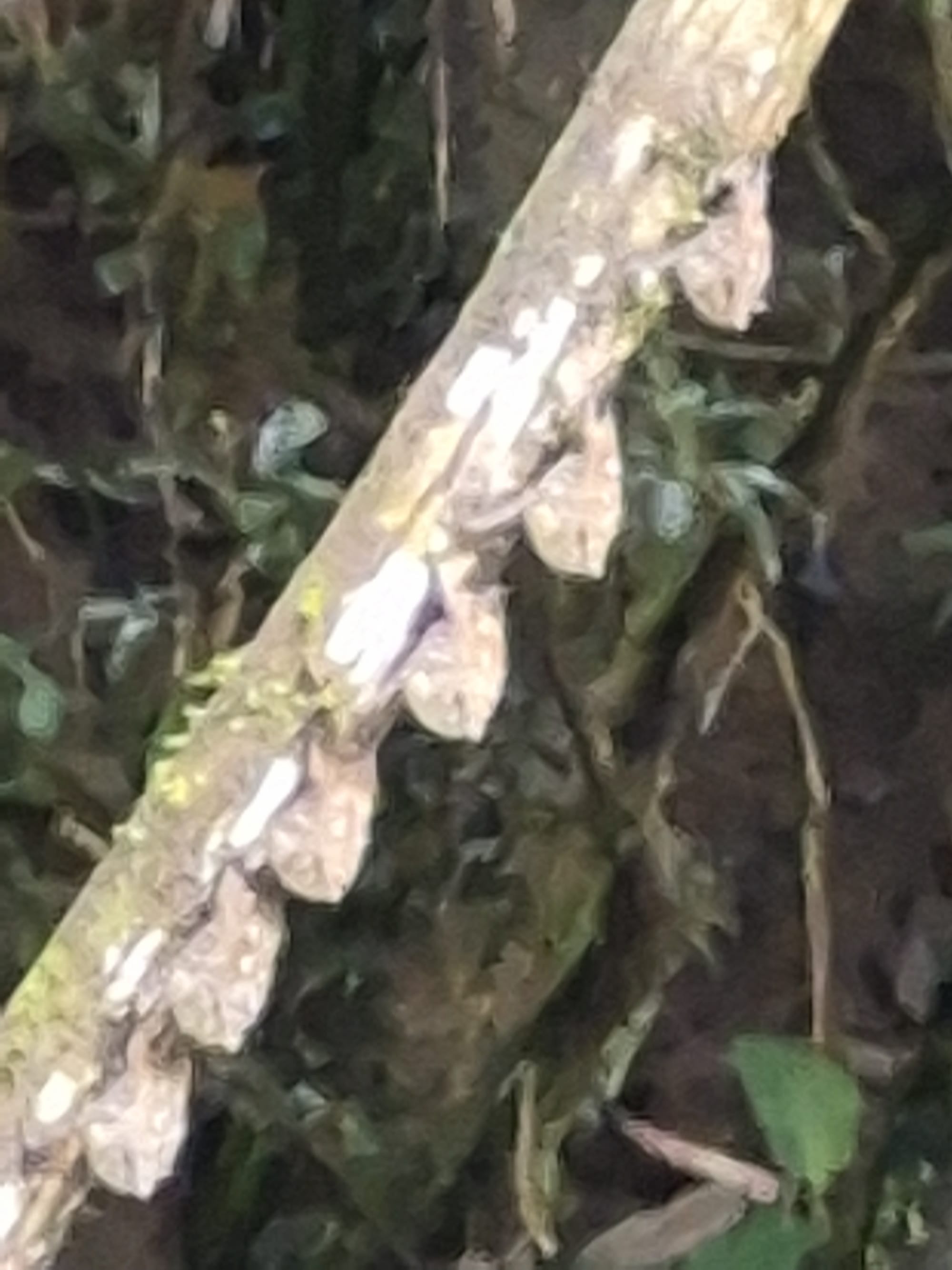
Before embarking, we stopped to watch leaf-cutter ants going about their work. These ants aren’t simply collecting leaves — they farm fungus, using the plant material to cultivate their primary food source. It’s a sophisticated agricultural system playing out constantly underfoot. Once on the river, wildlife appeared steadily.
We saw long-nosed bats hanging in a perfectly straight line from a thick vine above the water.
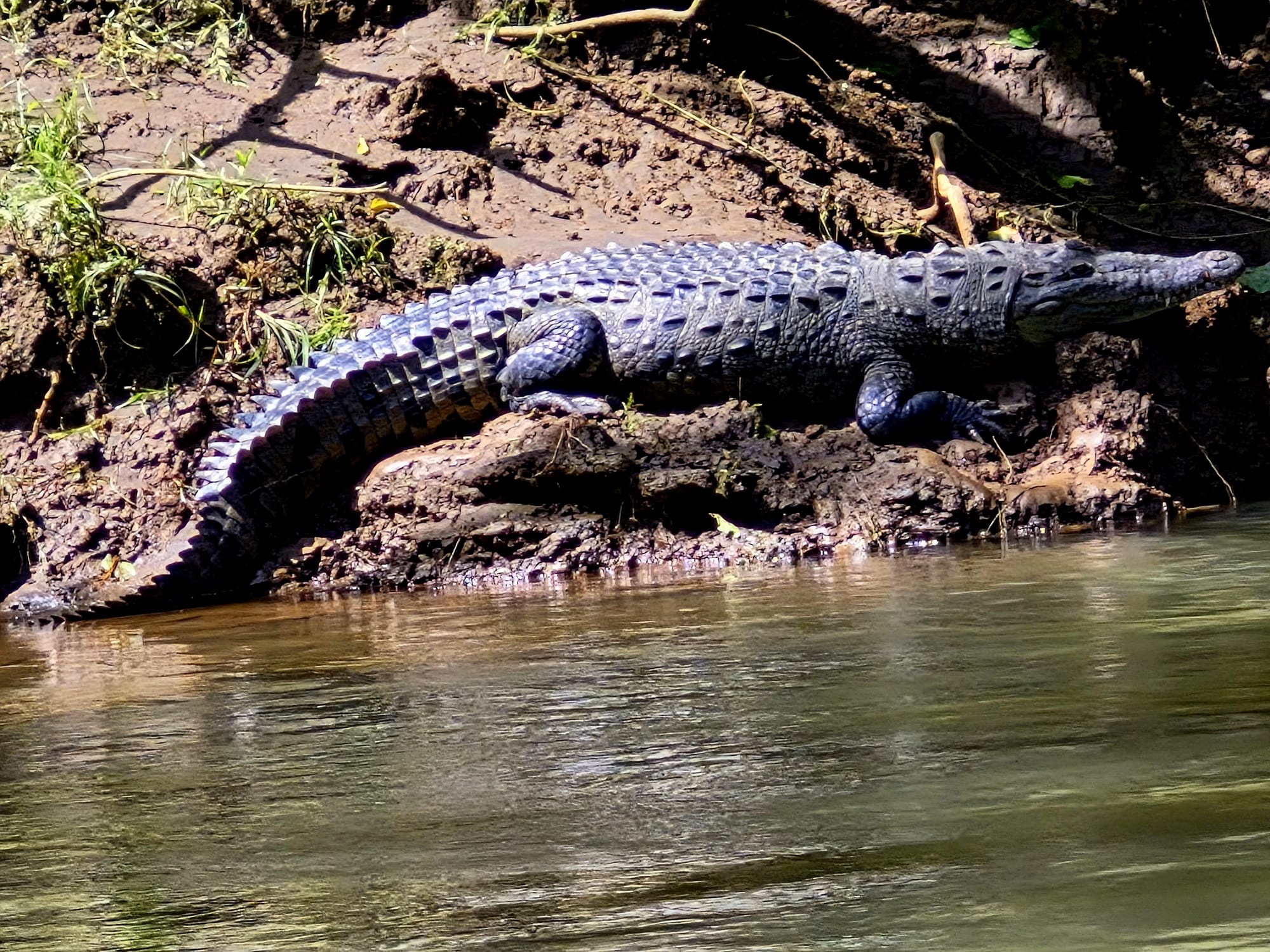
We also spotted caiman, a crocodile, turtles, iguanas, and kingfishers. At one point, a loud splash erupted just meters from the boat. A smaller iguana had launched itself into the river to escape a larger dominant male — a brief but vivid example of territorial behavior.
We also observed guided fishing on the river: two anglers fly fishing from a boat and another angler drifting separately in a kayak using lures. I hadn’t known this was an option and would have booked it earlier if I had.
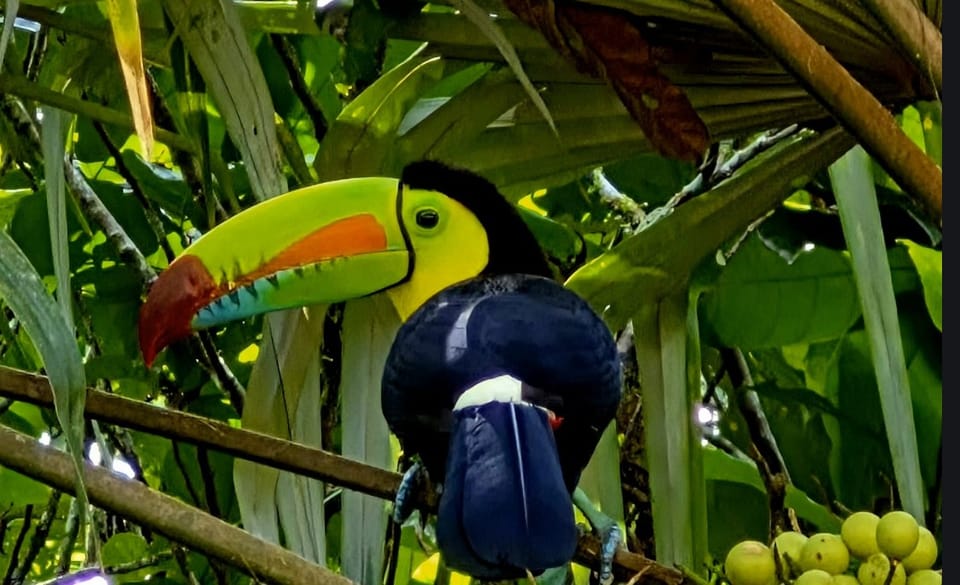
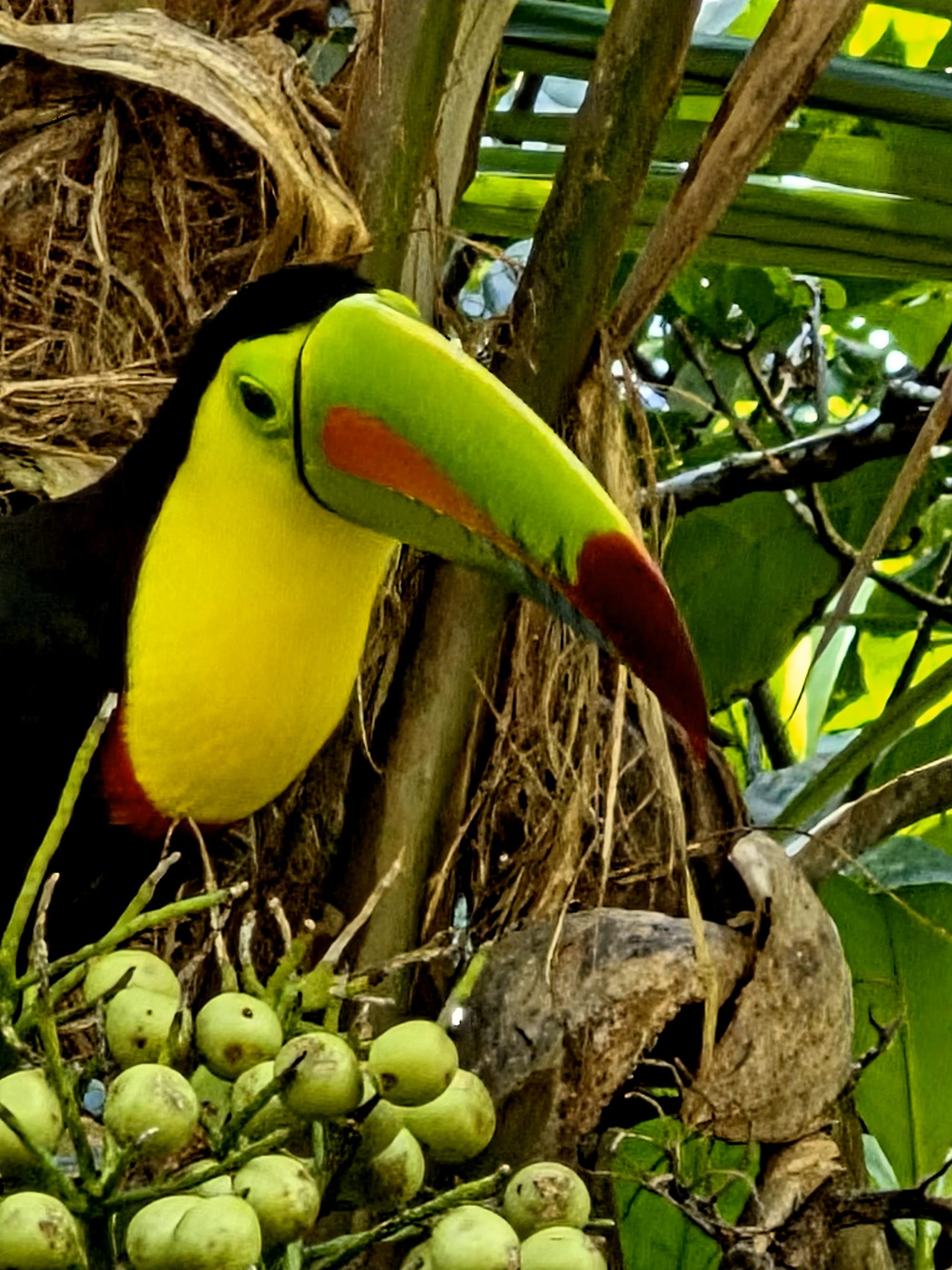
The highlight of the day — and one of the standout moments of the entire trip — happened back at the lodge. I was sitting quietly on the porch outside our room when a Keel-billed Toucan landed in a palm tree about five meters away. For at least ten minutes, it fed calmly on palm fruit. I managed to photograph a full sequence, including the characteristic head-toss motion it uses to swallow fruit whole. It was one of those rare moments where the universe is unusually generous.
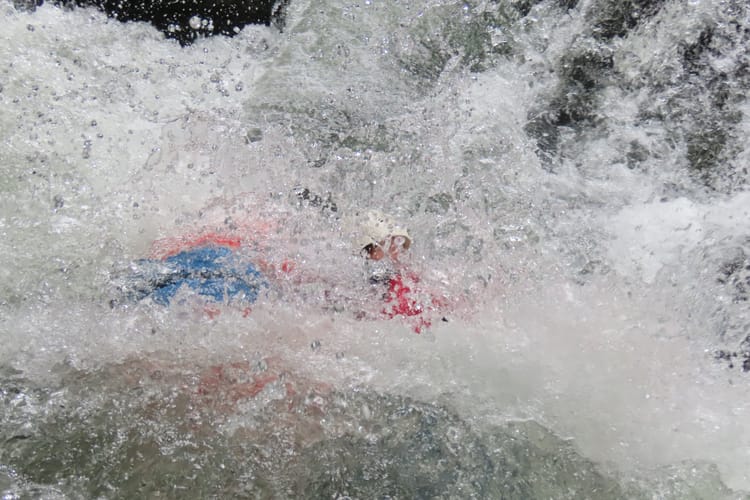
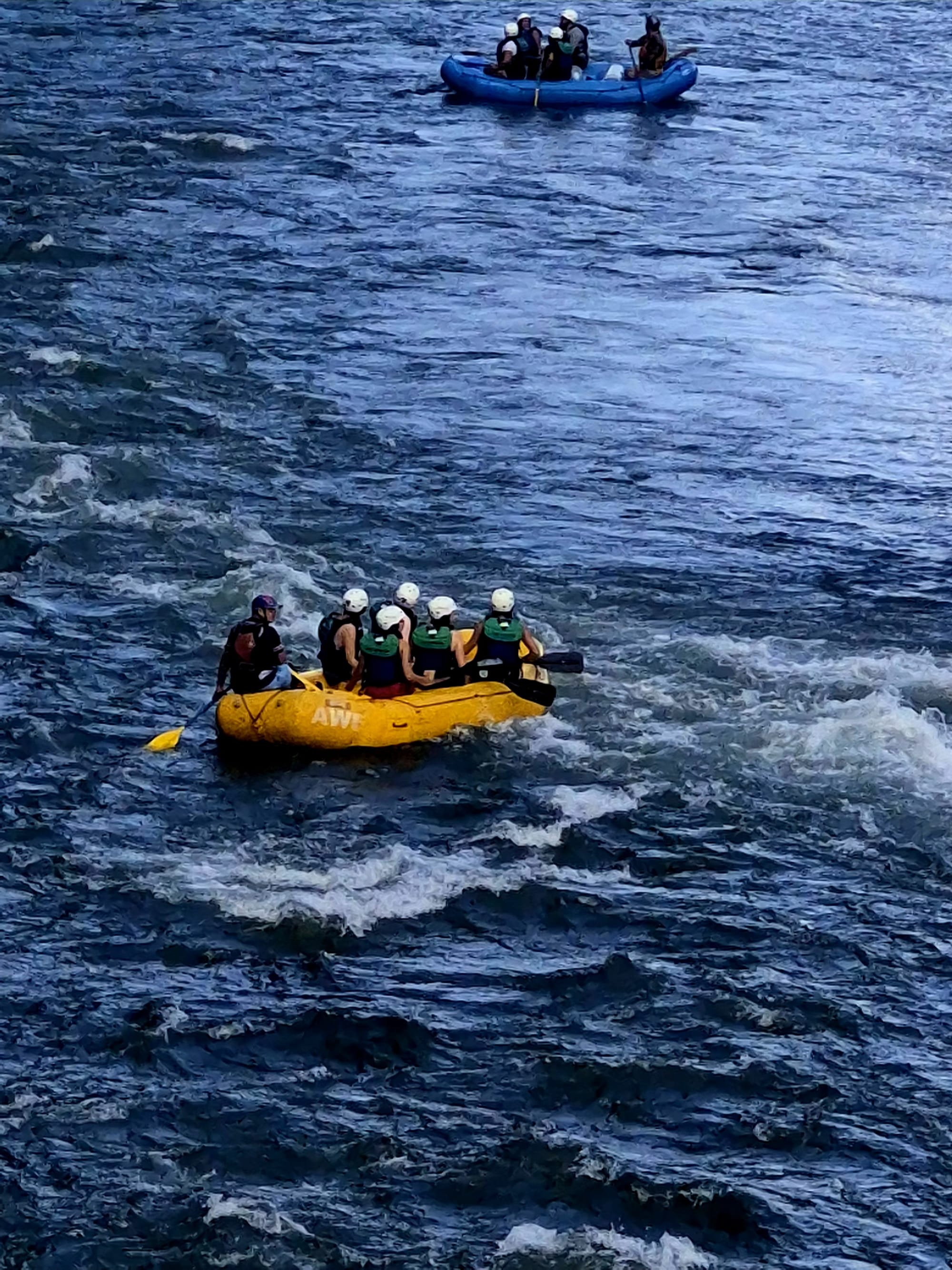
Later, Colleen and I walked across the suspension bridge together, enjoying the chance to slow down and simply take in the rainforest. Below, we spotted a Sunbittern, identifiable by the dramatic wing display it flashes when taking off. High in the canopy, a group of four macaws fed on fruit — spectacular birds, though extremely difficult to photograph with a phone. From the bridge, we watched rafting groups float past below. They were clearly having a great time, waving enthusiastically and high fiving with their paddles as they passed.
Back at the lodge, the reception staff were fantastic and organized a fishing trip for the following morning through a local Sarapiquí River fishing guide they work with regularly.
Day 10: Machaca Fishing and a Bucket-List Moment
Fishing day arrived, although Colleen couldn’t join me after developing diarrhea. The trip was arranged locally through Tirimbina Lodge, and I fished with Wil, a local river guide who knows this stretch of the Sarapiquí intimately. The setup was a two-man drift down the river, with pickup arranged at the endpoint. The drift setup posed challenges as you could not reverse direction and had to keep moving forwards.
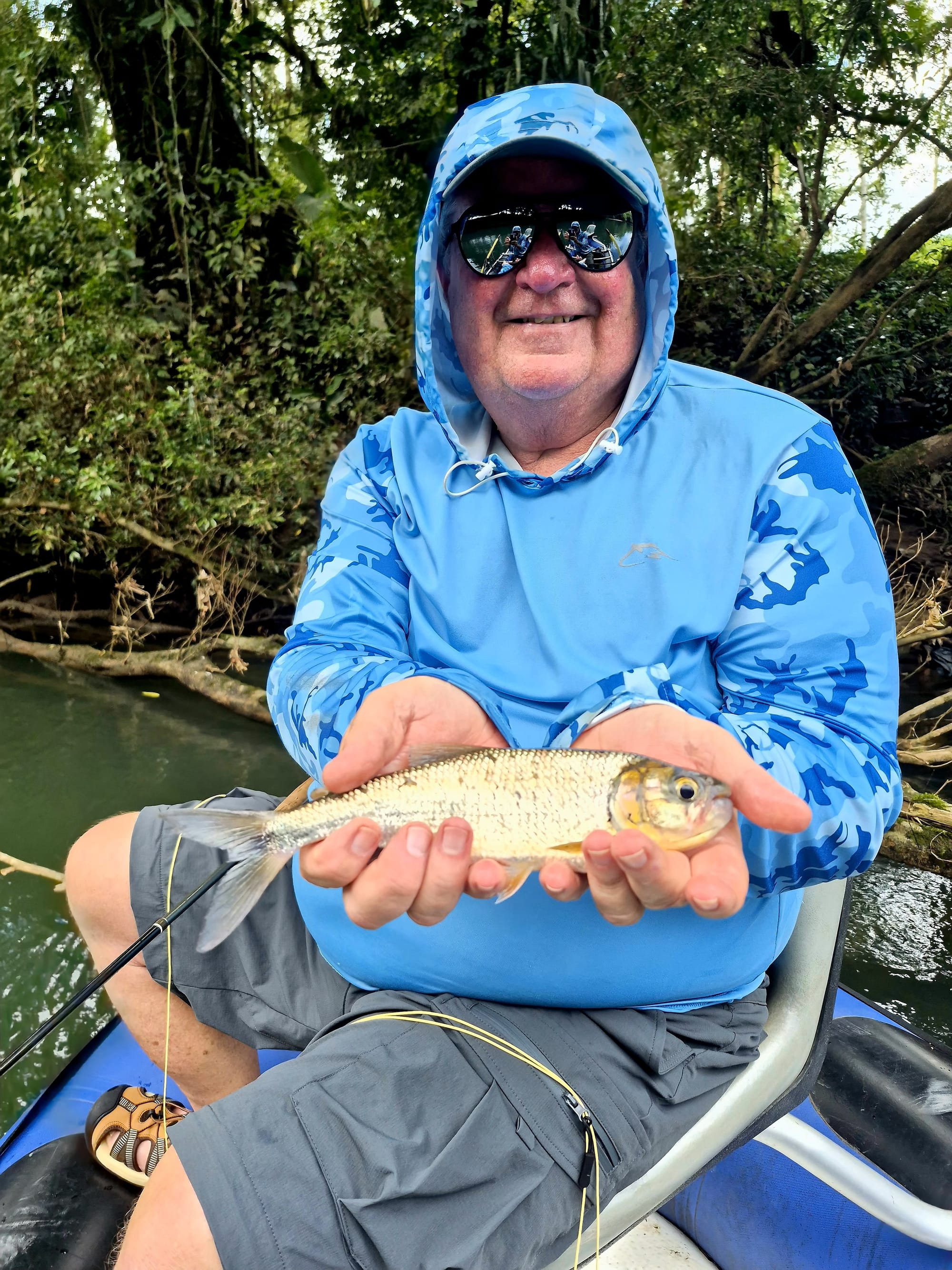
The target species was machaca — a fruit-eating characin related to piranha. This was fly fishing with a twist. The “fly” was a marble-sized round piece of wood painted green to imitate falling fruit from overhanging trees. A small hook was embedded inside. The fly acted as both lure and indicator, and the plopping sound as it hit the water was what attracted the fish. Machaca have hard mouths, and hooksets need to be firm. You watch the indicator closely, looking for a flash or a tiny swirl. If there’s no take as the fly hits the water, you cast again — repeatedly. A good machaca is about 14 inches long. I landed around eight fish of about eight inches — energetic, hard-fighting fish that kept things interesting all morning.
At the pickup point, tension crept in. A fallen tree trunk was blocking access to the slipway and had to be physically manhandled and dragged out of the road using the 4×4. With my next transport scheduled for 2:30 p.m. and still needing to draw cash, the delay added pressure to a perfect morning’s fishing.
The standout highlight of the day came when a Jesus Christ lizard sprinted across the surface of the water with astonishing speed. Seeing this had been a stated goal for the trip — a true bucket-list moment — and it was over in a flash.
After fishing, I needed to withdraw cash. The bank had strict access control and visible security staff, and they me feel uncomfortable — I was treated with suspicion and very much like I wasn’t welcome. When the ATM swallowed and retained my card, matters escalated. Bank staff wouldn’t open the machine without my passport, which was back at the lodge. Between the security procedures, the delay, and the ticking clock, it was a stressful end to the morning.
One final image stayed with me: blue plastic bags tied around banana bunches along the roadside. These aren’t litter or decoration — they protect the fruit from insects, birds, and sun damage, and often contain pesticide-treated lining to prevent infestation. A small detail, but one you see everywhere once you notice it.
We checked out of Tirimbina Lodge and headed toward La Fortuna.
If you’re planning a trip, I keep the booking tools I actually use at https://www.traveladventurescurated.com/about/
Disclosure
This site contains affiliate links. If you book through them, I may earn a commission at no extra cost to you. Thanks for supporting the site.